In a world where our health is constantly under siege by hidden metabolic disruptors, understanding the role of informed consent in medical and cosmetic choices is paramount.
Informed consent is not just a legal formality; it is your fundamental right to know the risks, benefits, and alternatives before undergoing any medical procedure or using cosmetic products.
This right is rooted in the principles of personal liberty and self-determination, which are essential for maintaining our health and well-being.
METABOLIC MINEFIELD: Navigating the Hidden Influences on Your Body’s Engine
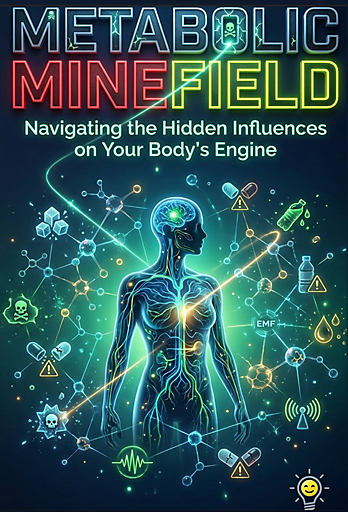 Imagine your body is a campfire. To keep it burning bright, you need three types of fuel: carbohydrates, fats, and proteins. Each plays a unique role in how your body creates energy, repairs itself, and stays healthy.
But here’s the catch: the modern food system, heavy metal exposure, personal care products, pharmaceutical drugs, seed oils, microplastics, glyphosate and gluten, are a metabolic minefield as they fill our bodies with toxins and overwhelm our systems with the wrong kinds of fuel, which leaves us metabolically broken.
This book will help you identify things that are negatively influencing your health and develop a plan to minimize toxins in and maximize toxins out, so that your metabolic system can function optimally.
CLICK HERE TO SEE A TABLE OF CONTENTS.
The importance of informed consent cannot be overstated. It empowers you to make decisions that align with your values and health goals.
Whether it’s a medical treatment or a cosmetic procedure, being fully informed allows you to weigh the potential benefits against the risks. This is particularly crucial in an era where mainstream medicine often prioritizes profit over patient well-being.
By understanding the full scope of what you’re consenting to, you can avoid unnecessary exposure to toxins and harmful substances that can disrupt your metabolism and overall health.
When informed consent is lacking, the consequences can be severe.
Many medical and cosmetic products contain hidden metabolic disruptors that can lead to chronic inflammation, hormone disruption, and other metabolic harms. For instance, statins, commonly prescribed to lower cholesterol, can have significant metabolic side effects.
Without proper informed consent, patients may unknowingly subject themselves to these risks, believing they are making a safe and beneficial choice. The lack of transparency in the medical and cosmetic industries often leaves individuals vulnerable to these hidden dangers.
Consider the case of statin prescriptions, a classic example where informed consent is often overlooked.
Statins are frequently prescribed to lower cholesterol levels, but patients are rarely informed about the potential metabolic consequences. These drugs can lead to muscle pain, liver damage, and even increase the risk of diabetes.
Many patients are not told about alternative approaches, such as dietary changes and natural supplements, that can effectively manage cholesterol levels without the harmful side effects.
This lack of informed consent can result in long-term metabolic harm, underscoring the need for greater transparency and patient education.
Healthcare providers play a crucial role in ensuring informed consent.
They have a responsibility to present all available options, including natural and holistic approaches that support metabolic health. Patient advocacy is essential in this process.
By asking questions and seeking second opinions, you can ensure that you are fully informed about the potential risks and benefits of any medical or cosmetic procedure.
This proactive approach not only protects your health but also encourages healthcare providers to prioritize patient education and transparency.
Researching medical and cosmetic options is a vital step in making informed decisions.
Reliable sources, such as independent health platforms and evidence-based research, can provide valuable insights into the safety and efficacy of various treatments.
It’s important to ask questions and seek out information that may not be readily provided by mainstream sources. By taking the time to educate yourself, you can make choices that support your metabolic health and overall well-being.
Natural and holistic approaches offer significant benefits in medical and cosmetic choices.
These methods often focus on supporting the body’s innate healing abilities and promoting overall health. For example, using natural skincare products can avoid the toxic chemicals found in many conventional cosmetics, thereby reducing the risk of metabolic disruption.
Similarly, holistic medical treatments can address the root causes of health issues rather than merely suppressing symptoms with potentially harmful drugs.
To advocate for informed consent, it’s essential to be proactive and well-informed.
Start by asking your healthcare provider detailed questions about the risks, benefits, and alternatives to any proposed treatment. Seek out reliable sources of information, such as independent health platforms and evidence-based research.
By taking an active role in your healthcare decisions, you can ensure that your choices align with your values and support your metabolic health. Remember, your health is your most valuable asset, and informed consent is a powerful tool in protecting it.
In conclusion, informed consent is a cornerstone of personal liberty and self-determination in healthcare.
By understanding the importance of informed consent, recognizing the risks of hidden metabolic disruptors, and advocating for transparency and patient education, you can make choices that support your metabolic health and overall well-being.
Embrace natural and holistic approaches, and take an active role in your healthcare decisions to ensure that your choices align with your values and promote your long-term health.
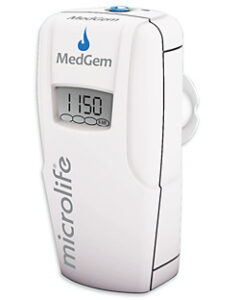 The Microlife BodyGem and MedGem indirect calorimetry devices measure your clients Resting Metabolic Rate, to optimize their weight loss results.
Instead of estimating RMR with the Harris-Benedict or Katch-McArdle formula, the BodyGem and MedGem scientifically measure a clients Metabolic Fingerprint, that is unique to them.
Estimation formulas cannot factor in thyroid issues, the effects of medications, etc.
For the best care, the American Dietetics Association recommends using indirect calorimetry to measure RMR for the most accurate assessment of nutritional needs.
The BodyGem and MedGem are the same type indirect calorimeter. They have the same functionality, accuracy and reliability.
The difference is that the MedGem is a FDA 510K-cleared, class II, medical device, which allows licensed clinicians to make insurance claims on their measurements.
CONTACT US:
Call 720-431-1461 to get your questions answered.
Or complete the CONTACT FORM and we’ll email you or call you.
If you’re ready to order a BodyGem or MedGem System Kit, complete the ORDER FORM and then call us with payment information.
We accept purchase orders from companies that have a net-30 credit account set up with us.
References & Citations
– NaturalNews.com. How functional beverages are redefining energy and why hydration is the ultimate performance enhancer. NaturalNews.com.
– Dr Robert Lustig. Metabolical The truth about processed food and how it poisons people and the planet.
– Dr Robert Lustig. Fat Chance The Hidden Truth About Sugar Obesity and Disease.
– Dr Mark Hyman. The Blood Sugar Solution The UltraHealthy Program for Losing Weight Preventing Disease.
Source: https://brightlearn.ai