In a world where our health is constantly under siege by hidden toxins in everyday products, learning to read labels and identify harmful ingredients is a crucial skill.
The first step in this journey is understanding what we’re up against. Many common products, from cosmetics to cleaning supplies and processed foods, contain ingredients that can wreak havoc on our metabolic health.
These metabolic disruptors often hide in plain sight, masked by complex chemical names and misleading marketing claims.
METABOLIC MINEFIELD: Navigating the Hidden Influences on Your Body’s Engine
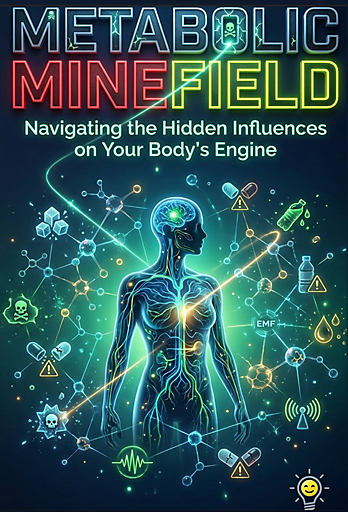 Imagine your body is a campfire. To keep it burning bright, you need three types of fuel: carbohydrates, fats, and proteins. Each plays a unique role in how your body creates energy, repairs itself, and stays healthy.
But here’s the catch: the modern food system, heavy metal exposure, personal care products, pharmaceutical drugs, seed oils, microplastics, glyphosate and gluten, are a metabolic minefield as they fill our bodies with toxins and overwhelm our systems with the wrong kinds of fuel, which leaves us metabolically broken.
This book will help you identify things that are negatively influencing your health and develop a plan to minimize toxins in and maximize toxins out, so that your metabolic system can function optimally.
CLICK HERE TO SEE A TABLE OF CONTENTS.
Let’s start by defining some of the most common harmful ingredients you might encounter.
In cosmetics and personal care products, watch out for parabens, phthalates, and sodium lauryl sulfate. These chemicals can act as hormone disruptors, potentially leading to metabolic dysfunction.
In processed foods, high fructose corn syrup, artificial sweeteners, and hydrogenated oils are major culprits that contribute to insulin resistance and inflammation.
Even seemingly innocuous household cleaning products often contain volatile organic compounds (VOCs) and synthetic fragrances that can impair liver function and contribute to oxidative stress.
Reading product labels effectively requires a bit of detective work.
Start by looking at the ingredient list – this is where the truth hides, often in small print. Remember that ingredients are listed in order of concentration, with the highest amounts first. Be wary of long chemical names you can’t pronounce, as these often indicate synthetic compounds.
Look for certifications like USDA Organic or Non-GMO Project Verified, which can help identify safer products, though they’re not foolproof guarantees. The Environmental Working Group’s Skin Deep database is an excellent online resource that rates products and ingredients based on their safety.
The metabolic consequences of these harmful ingredients are far-reaching and insidious.
Many of these chemicals act as endocrine disruptors, interfering with our body’s delicate hormonal balance. This disruption can lead to insulin resistance, thyroid dysfunction, and weight gain. Others contribute to chronic inflammation, which is at the root of nearly all metabolic diseases.
Some ingredients, particularly in processed foods, promote oxidative stress, accelerating cellular damage and aging. The cumulative effect of these metabolic disruptors can be devastating to our health over time.
Let’s examine a typical product label to see these principles in action.
Consider a popular brand of body lotion. The label might boast about vitamin E and aloe vera, but when we look at the ingredients, we often find mineral oil (a petroleum derivative), parabens, and synthetic fragrances listed before these beneficial ingredients.
The lotion might contain ‘natural flavors,’ a term that can hide hundreds of different chemicals. A safer alternative would be a lotion with organic plant oils as the base, essential oils for fragrance, and clearly labeled natural preservatives.
Third-party certifications can be helpful tools in identifying safer products, though they’re not perfect.
The USDA Organic seal indicates that a product contains at least 95% organic ingredients, which typically means fewer synthetic chemicals. The Non-GMO Project Verified seal helps you avoid genetically modified organisms, which may have unknown metabolic effects.
Other certifications to look for include EWG Verified, Made Safe, and Leaping Bunny for cruelty-free products. While these certifications aren’t guarantees of complete safety, they do provide an additional layer of scrutiny that can help you make better choices.
Online resources can be invaluable in your quest to avoid harmful ingredients.
The Environmental Working Group’s Skin Deep database is one of the most comprehensive resources for evaluating the safety of personal care products and their ingredients. You can search by product, brand, or ingredient to get detailed safety ratings.
The Think Dirty app is another excellent tool that allows you to scan product barcodes to get instant information about potentially harmful ingredients. For food products, the Food Scores database can help you evaluate the health impacts of various processed foods.
One of the most empowering ways to reduce your exposure to harmful ingredients is to make your own products.
DIY recipes for personal care items, cleaning supplies, and even some food products are widely available and often surprisingly simple. For example, you can make an effective all-purpose cleaner with just vinegar, water, and essential oils.
Homemade products not only eliminate many toxic chemicals but also allow you to control exactly what goes into them. This approach supports your metabolic health by reducing your toxic burden while also being cost-effective and often more environmentally friendly.
Creating a low-toxin home environment is an ongoing process, but there are practical steps you can take to make significant improvements.
Start by replacing the products you use most frequently with safer alternatives. Focus on items that come into direct contact with your skin or that you use in food preparation. Gradually work your way through your home, replacing cleaning products, air fresheners, and other items as you find safer options.
Remember that ventilation is crucial – open windows regularly to let fresh air circulate through your home. Consider adding air-purifying plants to help filter indoor air naturally.
As you become more skilled at identifying harmful ingredients, you’ll develop a kind of ‘toxin radar’ that helps you make quicker, better decisions about the products you bring into your home.
This skill empowers you to take control of your health and reduce your exposure to metabolic disruptors. While it might seem overwhelming at first, remember that every small change you make is a step toward better health.
Your body will thank you for the reduced toxic burden, and you’ll likely notice improvements in your energy levels, skin health, and overall well-being as you create a cleaner, safer environment for yourself and your family.
The journey to a low-toxin lifestyle is ongoing, but each step you take makes a difference.
As you learn to decipher labels and make informed choices, you’re not just protecting your metabolic health – you’re also sending a message to manufacturers about the kinds of products consumers want.
This collective action can drive positive change in the marketplace, making safer products more available and affordable for everyone. Your health is your most valuable asset, and learning to navigate the metabolic minefield of modern products is one of the best investments you can make in your long-term well-being.
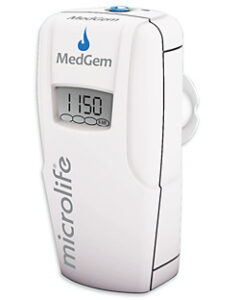 The Microlife BodyGem and MedGem indirect calorimetry devices measure your clients Resting Metabolic Rate, to optimize their weight loss results.
Instead of estimating RMR with the Harris-Benedict or Katch-McArdle formula, the BodyGem and MedGem scientifically measure a clients Metabolic Fingerprint, that is unique to them.
Estimation formulas cannot factor in thyroid issues, the effects of medications, etc.
For the best care, the American Dietetics Association recommends using indirect calorimetry to measure RMR for the most accurate assessment of nutritional needs.
The BodyGem and MedGem are the same type indirect calorimeter. They have the same functionality, accuracy and reliability.
The difference is that the MedGem is a FDA 510K-cleared, class II, medical device, which allows licensed clinicians to make insurance claims on their measurements.
CONTACT US:
Call 720-431-1461 to get your questions answered.
Or complete the CONTACT FORM and we’ll email you or call you.
If you’re ready to order a BodyGem or MedGem System Kit, complete the ORDER FORM and then call us with payment information.
We accept purchase orders from companies that have a net-30 credit account set up with us.
References & Citations
– NaturalNews.com. A Hundred Health Sapping Neurotoxins are Hid – NaturalNews.com, May 11, 2009.
– NaturalNews.com. How functional beverages are redefining energy and why hydration is the ultimate performance enhancer – NaturalNews.com, October 04, 2025.
– NaturalNews.com. Protect yourself from the ravages of the Food – NaturalNews.com, February 28, 2011.
– Dr Robert Lustig. Metabolical The truth about processed food and how it poisons people and the planet.
– Dr Robert Lustig. The Fat Chance Cookbook More Than 100 Recipes Ready in Under 30 Minutes.
Source: https://brightlearn.ai