METABOLISM MATTERS: Unlocking the Power of Resting Metabolic Rate for Lasting Weight Management.
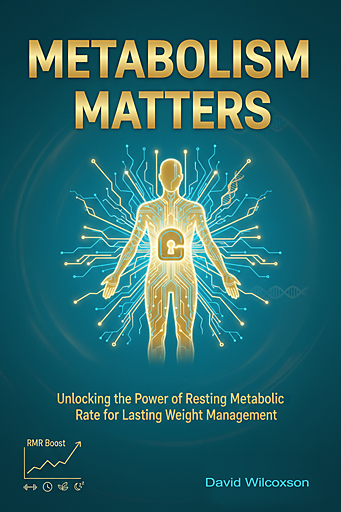 Resting Metabolic Rate (RMR) is a critical factor in the realm of weight management and overall health, representing the number of calories the body requires to perform its most basic functions while at rest.
RMR accounts for approximately 60-75% of total daily energy expenditure, making it a cornerstone of metabolic health.
Understanding their unique metabolic fingerprint is essential for anyone seeking to manage their weight effectively, as it provides a baseline for caloric needs and helps tailor dietary and exercise plans to individual metabolic profiles.
RMR equations can be off by 20-30%, as they can’t account for thyroid issues, metabolic adaptation to restrictive diets, the effects of medications, stress and high cortisol levels, etc.
In this new book you will learn how to unlock the power of using a scientifically measured Resting Metabolic Rate for lasting weight management.
Content was researched and generated via BrightLearn.AI, with references from health advocates Andreas Moritz, Alan Christianson, Gary Null, Jane M Orient, Joel Wallach, Frank Shallenberger, John J. Ratey, Jonny Bowden, Joseph Mercola, Mark Sisson, Mike Adams, Michael T. Murray, Peter D’Adamo, Robert Morse, Sara Gottfried, Stephen T Sinatra and others.
METABOLISM MATTERS is available in paperback, Kindle and Audible Audio formats.
Click to preview the METABOLISM MATTERS book and to order.
METABOLISM MATTERS TABLE OF CONTENTS
Section One: Understanding Resting Metabolic Rate
Chapter 1: Defining Resting Metabolic Rate and Its Role in Weight Management
Chapter 2: The Science Behind How RMR Influences Daily Caloric Needs
Chapter 3: Key Factors That Naturally Influence Resting Metabolic Rate
Chapter 4: Common Myths and Misconceptions About Metabolism Debunked
Chapter 5: How Hormones Like Thyroid and Cortisol Affect RMR
Chapter 6: The Impact of Age, Gender and Genetics on Metabolic Rate
Chapter 7: Measuring RMR: Methods, Tools and Accuracy Considerations
Chapter 8: Why Traditional Calorie Counting Fails Without RMR Knowledge
Chapter 9: Holistic Approaches to Assessing Metabolic Health Beyond RMR
Section Two: Optimizing RMR for Sustainable Weight Loss
Chapter 10: Nutritional Strategies to Naturally Boost Resting Metabolic Rate
Chapter 11: The Role of Protein, Fiber and Healthy Fats in Metabolic Health
Chapter 12: How Meal Timing and Frequency Influence RMR and Fat Loss
Chapter 13: Exercise and Physical Activity: Maximizing RMR Through Movement
Chapter 14: Strength Training vs. Cardio: Which is Better for RMR?
Chapter 15: The Impact of Sleep Quality and Duration on Metabolic Rate
Chapter 16: Stress Management Techniques to Support a Healthy RMR
Chapter 17: Natural Supplements and Herbs That May Enhance Metabolism
Chapter 18: Case Studies: Real-World Examples of RMR Optimization Success
Section Three: RMR in Clinical and Practical Weight Management
Chapter 19: Applying RMR Knowledge in Personal Training and Coaching
Chapter 20: Tailoring Weight Loss Plans for Clients with Low RMR
Chapter 21: Addressing Metabolic Adaptation and Plateaus in Weight Loss
Chapter 22: RMR Considerations for Bariatric Patients and Post-Surgery Care
Chapter 23: The Role of RMR in Preventing Weight Regain After Loss
Chapter 24: Integrating RMR Testing into Clinical Practice for Dietitians
Chapter 25: Ethical Considerations in Using RMR Data for Weight Management
Chapter 26: Educating Clients on RMR for Long-Term Success and Empowerment
Chapter 27: Future Directions: Emerging Research and Innovations in RMR
Click to order the METABOLISM MATTERS book.
METABOLIC MINEFIELD: Navigating the Hidden Influences on Your Body’s Engine
 Imagine your body is a campfire. To keep it burning bright, you need three types of fuel: carbohydrates, fats, and proteins. Each plays a unique role in how your body creates energy, repairs itself, and stays healthy.
But here’s the catch: the modern food system, heavy metal exposure, personal care products, pharmaceutical drugs, seed oils, microplastics, glyphosate and gluten, are a metabolic minefield as they fill our bodies with toxins and overwhelm our systems with the wrong kinds of fuel, which leaves us metabolically broken.
This book will help you identify things that are negatively influencing your health and develop a plan to minimize toxins in and maximize toxins out, so that your metabolic system can function optimally.
Content was researched and generated via BrightLearn.AI with references from health advocates Andrew Weil – The Healthy Kitchen: Recipes for a Better Body, Life, and Spirit, Dr. Mark Hyman – The Blood Sugar Solution: The Ultra Healthy Program for Losing Weight, Mike Adams – NaturalNews.com, Dr. Peter D’Adamo – Eat Right 4 Your Type, Dr. Robert Lustig – Metabolical: The Truth About Processed Food and How it Poisons People and the Planet, Walter Last – The Natural Way to Heal: 65 Ways to Create Superior Health and others.
METABOLIC MINEFIELD is available in paperback, Kindle and Audible Audio formats.
Click to preview the METABOLIC MINEFIELD book and to order.
METABOLISM MINEFIELD TABLE OF CONTENTS
How Foods Shape Your Metabolic Health
Chapter 1: Understanding the Role of Macronutrients in Metabolic Function
Chapter 2: The Impact of Processed Sugars and Artificial Sweeteners on Insulin Resistance
Chapter 3: Why Whole, Organic Foods Support a Faster and Healthier Metabolism
Chapter 4: The Dangers of Seed Oils and How They Disrupt Cellular Health
Chapter 5: How Gluten and Modern Wheat Contribute to Inflammation and Metabolic Slowdown
Chapter 6: The Benefits of Traditional Fats Like Butter, Lard, and Coconut Oil
Chapter 7: Intermittent Fasting and Time-Restricted Eating for Metabolic Flexibility
Chapter 8: The Role of Fiber in Gut Health and Its Effect on Metabolism
Chapter 9: How Food Additives and Preservatives Harm Your Metabolic Pathways
Toxins in Cooking Oils and Heavy Metals
Chapter 10: The Hidden Dangers of Industrial Seed Oils in Everyday Cooking
Chapter 11: How Oxidized Oils Create Free Radicals and Damage Metabolic Health
Chapter 12: The Link Between Heavy Metals and Chronic Metabolic Disorders
Chapter 13: Common Sources of Heavy Metal Exposure in Food and Water
Chapter 14: How Mercury, Lead, and Cadmium Disrupt Hormonal Balance
Chapter 15: Safe Cooking Oils That Protect Rather Than Harm Your Metabolism
Chapter 16: Detoxifying Your Body from Heavy Metals Naturally
Chapter 17: The Role of Antioxidants in Combating Oxidative Stress from Toxins
Chapter 18: How to Test for and Reduce Heavy Metal Toxicity in Your Home
Environmental Factors That Slow Metabolism
Chapter 19: How Endocrine Disruptors in Plastics and Household Products Affect Metabolism
Chapter 20: The Impact of Air Pollution on Thyroid Function and Weight Gain
Chapter 21: Electromagnetic Fields and Their Effect on Cellular Energy Production
Chapter 22: The Role of Chronic Stress in Metabolic Dysfunction and Weight Retention
Chapter 23: How Lack of Sunlight and Vitamin D Deficiency Slow Metabolism
Chapter 24: The Dangers of Pesticides and Herbicides in Conventional Farming
Chapter 25: Creating a Low-Toxin Home Environment for Better Metabolic Health
Chapter 26: The Benefits of Grounding and Nature Exposure for Metabolic Balance
Chapter 27: How Sleep Quality and Circadian Rhythm Influence Metabolic Rate
Cosmetics, Drugs, and Vaccines: Hidden Metabolic Disruptors
Chapter 28. Toxic Ingredients in Cosmetics and Personal Care Products to Avoid
Chapter 29. How Parabens, Phthalates, and Synthetic Fragrances Harm Hormones
Chapter 30. The Link Between Pharmaceutical Drugs and Metabolic Syndrome
Chapter 31. How Statins, Antibiotics, and Birth Control Pills Disrupt Metabolism
Chapter 32. The Long-Term Effects of Vaccines on Immune and Metabolic Health
Chapter 33. Natural Alternatives to Common Pharmaceuticals for Better Health
Chapter 34. How to Read Labels and Identify Harmful Ingredients in Products
Chapter 35. The Role of Informed Consent in Medical and Cosmetic Choices
Chapter 36. Supporting Detoxification Pathways After Drug or Vaccine Exposure
Restoring Metabolic Health Naturally
Chapter 37. The Power of Nutrient-Dense Foods in Healing Metabolic Damage
Chapter 38. How Herbal Remedies and Adaptogens Support Metabolic Function
Chapter 39. The Role of Exercise and Movement in Boosting Metabolic Rate
Chapter 40. Detoxification Strategies for Removing Metabolic Blockers
Chapter 41. The Importance of Hydration and Mineral Balance for Metabolism
Chapter 42. How to Rebuild Gut Health for Optimal Metabolic Performance
Chapter 43. The Benefits of Cold Exposure and Heat Therapy for Metabolic Health
Chapter 44. Creating a Personalized Plan for Long-Term Metabolic Wellness
Chapter 45. Empowering Yourself with Knowledge to Make Healthier Choices