In our journey to understand the metabolic minefield that surrounds us, it’s crucial to shed light on one of the most pervasive yet overlooked dangers in our modern diet: industrial seed oils.
These oils, extracted from seeds like soybeans, corn, cottonseed, sunflower, and safflower, have become ubiquitous in our food supply, lurking in restaurant meals, processed foods, and even our home kitchens. But what exactly are these oils, and why should we be concerned about their prevalence?
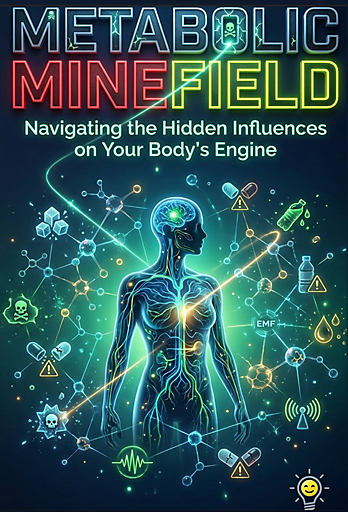
METABOLIC MINEFIELD: Navigating the Hidden Influences on Your Body’s Engine
 Imagine your body is a campfire. To keep it burning bright, you need three types of fuel: carbohydrates, fats, and proteins. Each plays a unique role in how your body creates energy, repairs itself, and stays healthy.
But here’s the catch: the modern food system, heavy metal exposure, personal care products, pharmaceutical drugs, seed oils, microplastics, glyphosate and gluten, are a metabolic minefield as they fill our bodies with toxins and overwhelm our systems with the wrong kinds of fuel, which leaves us metabolically broken.
This book will help you identify things that are negatively influencing your health and develop a plan to minimize toxins in and maximize toxins out, so that your metabolic system can function optimally.
CLICK HERE TO SEE A TABLE OF CONTENTS.
Industrial seed oils are highly processed oils that are extracted from seeds using high-temperature methods.
This process, which often involves deodorization and other chemical treatments, creates toxic byproducts like trans fats and aldehydes. These byproducts are not just harmless additives; they are dangerous compounds that can wreak havoc on our health.
Trans fats, for instance, are known to increase the risk of heart disease, while aldehydes are highly reactive molecules that can damage our cells and contribute to chronic diseases.
One of the most insidious effects of industrial seed oils is their role in promoting lipid peroxidation.
This process occurs when the fats in our body become oxidized, leading to the formation of harmful compounds that can damage our cells and tissues. This oxidative damage is a key driver of chronic diseases such as cardiovascular disease and diabetes. When we consume seed oils, we are essentially fueling this destructive process, putting our health at risk.
Moreover, industrial seed oils disrupt the delicate balance of omega-6 to omega-3 fatty acids in our bodies.
While both types of fatty acids are essential for our health, they need to be in the right proportion. The modern diet, rich in seed oils, has tipped this balance in favor of omega-6 fatty acids, leading to systemic inflammation and metabolic dysfunction. This imbalance is not just a minor inconvenience; it is a major contributor to the rising rates of obesity, heart disease, and other chronic conditions.
To understand the full impact of seed oils on our health, it’s helpful to take a historical perspective.
The consumption of seed oils has skyrocketed over the past century, coinciding with the rise in obesity and metabolic diseases. This is not a coincidence. As our diets have become increasingly dominated by processed foods laden with seed oils, our health has suffered. This historical overview underscores the urgent need to address the dangers of these oils and take steps to minimize their consumption.
One of the most alarming effects of seed oils is their role in creating oxidized LDL cholesterol.
LDL, often referred to as ‘bad’ cholesterol, becomes even more harmful when it is oxidized. This oxidized LDL is a major contributor to atherosclerosis, the hardening and narrowing of the arteries that can lead to heart disease and stroke.
Studies on lipid oxidation have shown that the consumption of seed oils can significantly increase the levels of oxidized LDL in our bodies, putting our cardiovascular health at risk.
In addition to their impact on our cardiovascular system, seed oils also interfere with thyroid function.
The thyroid gland plays a crucial role in regulating our metabolism, and any disruption to its function can have far-reaching consequences for our health. Seed oils can inhibit iodine uptake, which is essential for thyroid hormone synthesis. This interference can lead to a range of metabolic issues, further underscoring the dangers of these oils.
Given the pervasive nature of industrial seed oils in our food supply, it’s essential to arm ourselves with practical strategies to avoid them.
One of the most effective ways to do this is by becoming a savvy label reader. Many processed foods contain seed oils, often hidden under innocuous-sounding names like ‘vegetable oil’ or ‘plant-based oil.’ By learning to identify these oils on ingredient lists, we can make more informed choices about the foods we eat.
Fortunately, there are healthier alternatives to industrial seed oils.
Traditional cooking fats like butter, ghee, coconut oil, and olive oil are not only safer but also offer a range of health benefits. These fats are more stable at high temperatures, making them ideal for cooking. They also provide essential nutrients that support our overall health.
By making the switch to these healthier fats, we can take a significant step towards protecting our metabolic health and well-being.
In conclusion, the hidden dangers of industrial seed oils in everyday cooking are a stark reminder of the metabolic minefield we navigate daily.
By understanding the risks associated with these oils and taking proactive steps to avoid them, we can reclaim control over our health and well-being. It’s time to shed light on these pervasive dangers and make informed choices that support our journey towards optimal health.
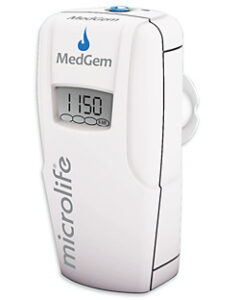 The Microlife BodyGem and MedGem indirect calorimetry devices measure your clients Resting Metabolic Rate, to optimize their weight loss results.
Instead of estimating RMR with the Harris-Benedict or Katch-McArdle formula, the BodyGem and MedGem scientifically measure a clients Metabolic Fingerprint, that is unique to them.
Estimation formulas cannot factor in thyroid issues, the effects of medications, etc.
For the best care, the American Dietetics Association recommends using indirect calorimetry to measure RMR for the most accurate assessment of nutritional needs.
The BodyGem and MedGem are the same type indirect calorimeter. They have the same functionality, accuracy and reliability.
The difference is that the MedGem is a FDA 510K-cleared, class II, medical device, which allows licensed clinicians to make insurance claims on their measurements.
CONTACT US:
Call 720-431-1461 to get your questions answered.
Or complete the CONTACT FORM and we’ll email you or call you.
If you’re ready to order a BodyGem or MedGem System Kit, complete the ORDER FORM and then call us with payment information.
We accept purchase orders from companies that have a net-30 credit account set up with us.
References & Citations
– NaturalNews.com. Protect yourself from the ravages of the Food – NaturalNews.com, February 28, 2011
– Dr Robert Lustig. Metabolical The truth about processed food and how it poisons people and the planet
– Dr Robert Lustig. Fat Chance The Hidden Truth About Sugar Obesity and Disease
Source: https://brightlearn.ai