In our journey to reclaim our health from the clutches of processed foods, it’s crucial to understand the hidden dangers lurking in our food supply.
Food additives and preservatives, those seemingly innocuous ingredients listed on the back of packages, are wreaking havoc on our metabolic pathways. Let’s dive into this complex issue and explore how these substances are silently undermining our health.
METABOLIC MINEFIELD: Navigating the Hidden Influences on Your Body’s Engine
 Imagine your body is a campfire. To keep it burning bright, you need three types of fuel: carbohydrates, fats, and proteins. Each plays a unique role in how your body creates energy, repairs itself, and stays healthy.
But here’s the catch: the modern food system, heavy metal exposure, personal care products, pharmaceutical drugs, seed oils, microplastics, glyphosate and gluten, are a metabolic minefield as they fill our bodies with toxins and overwhelm our systems with the wrong kinds of fuel, which leaves us metabolically broken.
This book will help you identify things that are negatively influencing your health and develop a plan to minimize toxins in and maximize toxins out, so that your metabolic system can function optimally.
CLICK HERE TO SEE A TABLE OF CONTENTS.
The modern diet is flooded with processed foods containing a cocktail of additives designed to enhance flavor, extend shelf life, and improve appearance.
Emulsifiers like polysorbate-80 and carboxymethylcellulose are particularly troubling. These substances, found in everything from ice cream to salad dressings, have been shown to disrupt our gut microbiota. Animal studies reveal that these emulsifiers can increase gut permeability, leading to what’s commonly known as ‘leaky gut syndrome.’
This condition allows harmful substances to enter our bloodstream, triggering inflammation and setting the stage for metabolic dysfunction. The Natural Way to Heal by Walter Last highlights how such disruptions to our gut health can lead to a cascade of health problems, from digestive issues to systemic inflammation.
Artificial sweeteners present another layer of concern. Saccharin and aspartame, often marketed as ‘diet’ or ‘sugar-free’ options, are anything but health-promoting.
Research has demonstrated that these sweeteners can induce glucose intolerance and insulin resistance, two key factors in the development of metabolic syndrome. Dr. Robert Lustig’s work in Metabolical: The Truth About Processed Food and How It Poisons People and the Planet sheds light on how these artificial substances trick our bodies into storing fat rather than burning it, leading to weight gain and metabolic disorders.
It’s a cruel irony that products marketed as helping us maintain a healthy weight might actually be contributing to the obesity epidemic.
The vibrant colors of many processed foods come from artificial dyes like Red 40 and Yellow 5.
While these additives make foods more visually appealing, they come at a significant cost to our health. These artificial colors have been linked to increased inflammation and oxidative stress in the body. Oxidative stress, in particular, is a major contributor to metabolic dysfunction, as it damages our cells and interferes with normal metabolic processes.
The cumulative effect of these additives is a body that’s constantly fighting inflammation, leading to fatigue, weight gain, and a host of other health issues.
Monosodium glutamate, or MSG, deserves special attention due to its widespread use and particularly harmful effects.
This flavor enhancer has been linked to leptin resistance, a condition where our bodies lose the ability to regulate hunger and energy expenditure properly. Both human and animal studies have shown that MSG can contribute to obesity by disrupting these crucial metabolic pathways.
The food industry’s reliance on MSG to make bland processed foods more palatable is a prime example of how profit motives are prioritized over public health.
Preservatives like sodium nitrite and BHA/BHT are added to foods to extend their shelf life, but they also extend the shelf life of health problems.
These substances have been shown to disrupt mitochondrial function, the powerhouse of our cells, and increase oxidative stress. When our mitochondria aren’t functioning properly, our entire metabolic system suffers. This disruption can lead to chronic fatigue, weight gain, and an increased risk of developing metabolic syndrome.
The cumulative effect of these preservatives is a body that’s constantly under metabolic stress, struggling to perform even basic functions efficiently.
The collective impact of these additives contributes significantly to what we now recognize as metabolic syndrome — a cluster of conditions including increased blood pressure, high blood sugar, excess body fat around the waist, and abnormal cholesterol levels.
Food additives promote chronic inflammation and insulin resistance, two key components of metabolic syndrome. This isn’t just about weight gain; it’s about a systemic breakdown of our body’s ability to process energy efficiently. The more processed foods we consume, the more we’re feeding this metabolic dysfunction, creating a vicious cycle that’s hard to break.
Given this alarming information, it’s natural to wonder how we can protect ourselves and our families.
The first step is becoming a savvy label reader. Many additives hide behind complex chemical names or innocuous-sounding terms like ‘natural flavors.’ Educating ourselves about these hidden dangers is crucial.
Dr. Robert Lustig’s The Fat Chance Cookbook offers excellent guidance on label reading, empowering consumers to make better choices. Remember, if you can’t pronounce an ingredient or don’t recognize it as food, it’s likely something you should avoid.
The most effective strategy, however, is to minimize processed foods altogether.
Opting for whole, organic foods whenever possible is the best way to avoid these metabolic disruptors. Cooking at home using fresh ingredients allows you to control exactly what goes into your food.
As Rosie Daley and Andrew Weil emphasize in The Healthy Kitchen: Recipes for a Better Body, Life, and Spirit, preparing meals at home not only ensures better nutrition but also provides an opportunity to reconnect with the joy of nourishing ourselves and our loved ones.
This approach aligns perfectly with the principles of natural health and self-reliance, allowing us to take control of our metabolic well-being.
It’s important to recognize that our food choices are not just personal decisions but acts of resistance against a food industry that prioritizes profits over health.
By choosing whole, unprocessed foods, we’re not only improving our own metabolic health but also sending a powerful message to food manufacturers. We’re voting with our dollars for a food system that values nutrition over shelf life, health over convenience, and transparency over deception. This is how we begin to reclaim our health and our food supply from the processed food industry’s grip.
In this journey toward better health, remember that every small change makes a difference.
Start by eliminating one processed food from your diet and replacing it with a whole food alternative. Educate yourself about one new additive each week. Share what you learn with friends and family. Together, we can build a movement that values real food and real health over the empty promises of processed convenience foods.
Our metabolic health is too important to leave in the hands of food corporations whose primary interest is their bottom line, not our well-being.
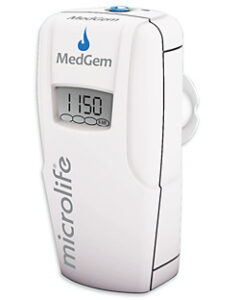 The Microlife BodyGem and MedGem indirect calorimetry devices measure your clients Resting Metabolic Rate, to optimize their weight loss results.
Instead of estimating RMR with the Harris-Benedict or Katch-McArdle formula, the BodyGem and MedGem scientifically measure a clients Metabolic Fingerprint, that is unique to them.
Estimation formulas cannot factor in thyroid issues, the effects of medications, etc.
For the best care, the American Dietetics Association recommends using indirect calorimetry to measure RMR for the most accurate assessment of nutritional needs.
The BodyGem and MedGem are the same type indirect calorimeter. They have the same functionality, accuracy and reliability.
The difference is that the MedGem is a FDA 510K-cleared, class II, medical device, which allows licensed clinicians to make insurance claims on their measurements.
CONTACT US:
Call 720-431-1461 to get your questions answered.
Or complete the CONTACT FORM and we’ll email you or call you.
If you’re ready to order a BodyGem or MedGem System Kit, complete the ORDER FORM and then call us with payment information.
We accept purchase orders from companies that have a net-30 credit account set up with us.
References & Citations
– Last, Walter. The Natural Way to Heal: 65 Ways to Create Superior Health.
– Lustig, Dr. Robert. Metabolical: The Truth About Processed Food and How It Poisons People and the Planet.
– Lustig, Dr. Robert. The Fat Chance Cookbook: More Than 100 Recipes Ready in Under 30 Minutes to Help You Lose the Sugar and the Weight.
– Daley, Rosie, and Weil, Andrew. The Healthy Kitchen: Recipes for a Better Body, Life, and Spirit.
Source: https://brightlearn.ai