In the realm of fitness and weight management, the debate between strength training and cardio for optimizing Resting Metabolic Rate (RMR) is ongoing.
RMR, the number of calories your body burns at rest, is a critical factor in sustainable weight management. Understanding how different forms of exercise influence RMR can empower individuals to make informed decisions about their fitness routines, free from the often misleading narratives propagated by mainstream health institutions.
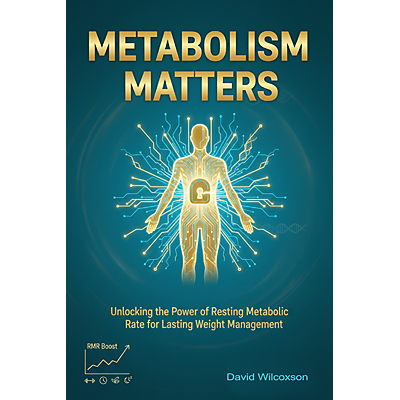
This new book shows you how to use RMR to help clients have long lasting weight management success.
Resting Metabolic Rate is a critical factor for weight management and overall health.
RMR equations can be off by 20-30%.
This new book shows you how to use RMR to help clients have long lasting weight management success.
CLICK HERE TO SEE A TABLE OF CONTENTS.
Strength training, particularly through resistance exercises, has been shown to have a significant impact on RMR.
When you engage in strength training, you not only burn calories during the workout but also increase muscle mass. Muscle tissue is metabolically active, meaning it requires more energy to maintain than fat tissue. This increase in muscle mass leads to a higher RMR, as your body needs more calories to sustain the additional muscle.
Studies have demonstrated that individuals who incorporate strength training into their fitness regimens experience a sustained elevation in their metabolic rate, even at rest. This is crucial for long-term weight management and overall health, providing a natural and effective alternative to pharmaceutical interventions often pushed by the medical industry.
This is why scientifically measuring the RMR of your clients with a Microlife BodyGem or MedGem on a regular basis is important, as their metabolism changes as they lose bodyfat and gain learn muscle mass.
On the other hand, cardiovascular exercise, commonly referred to as cardio, also plays a role in enhancing RMR, albeit through different mechanisms.
Cardio exercises, such as running, cycling, and swimming, primarily burn calories during the activity itself. While cardio can contribute to an immediate calorie deficit, its impact on RMR is generally less pronounced compared to strength training.
However, cardio exercises are beneficial for cardiovascular health, endurance, and overall fitness. They can also complement strength training by improving circulation and oxygen utilization, which are essential for muscle recovery and growth.
It is important to note that the benefits of cardio should not be overshadowed by the often exaggerated claims made by mainstream fitness industries, which may not always have the best interests of individuals at heart.
One of the key advantages of strength training is its ability to induce the ‘afterburn effect,’ scientifically known as Excess Post-Exercise Oxygen Consumption (EPOC).
This phenomenon refers to the increased rate of oxygen intake following strenuous activity, which helps the body recover and adapt to the exercise. During this recovery period, the body continues to burn calories at an elevated rate, further boosting RMR.
This afterburn effect is less significant with cardio exercises, making strength training a more efficient strategy for long-term metabolic enhancement. This natural approach aligns with the principles of holistic health, emphasizing the body’s innate ability to heal and adapt without reliance on external interventions.
Moreover, strength training has been shown to improve insulin sensitivity, which is crucial for managing blood sugar levels and preventing metabolic disorders such as diabetes.
Improved insulin sensitivity means that your body can more effectively use glucose for energy, reducing the likelihood of excess glucose being stored as fat. This metabolic benefit is particularly important in the context of the modern diet, which is often high in processed foods and sugars, contributing to the epidemic of metabolic diseases.
By focusing on strength training, individuals can take a proactive stance against these dietary pitfalls, promoting better health outcomes naturally.
While cardio exercises may not have the same level of impact on RMR as strength training, they are not without their merits.
Cardio exercises can enhance mitochondrial function, which is vital for energy production at the cellular level. Improved mitochondrial function can lead to better overall energy levels and metabolic health.
Additionally, cardio exercises can be more accessible and easier to incorporate into daily routines for individuals who may not have access to gym equipment or prefer outdoor activities. This accessibility is crucial for promoting a decentralized approach to health, where individuals can take control of their well-being without relying on centralized fitness institutions.
In conclusion, both strength training and cardio have their place in a well-rounded fitness regimen.
However, for those specifically aiming to boost their RMR for sustainable weight management, strength training emerges as the more effective strategy. By increasing muscle mass and inducing the afterburn effect, strength training provides a natural and empowering method to enhance metabolic rate and overall health.
This approach not only aligns with the principles of natural health and self-reliance but also offers a robust alternative to the often misleading and profit-driven narratives of mainstream health industries. Embracing strength training as a cornerstone of fitness can lead to long-term benefits, promoting a healthier, more resilient body capable of sustaining optimal metabolic function.
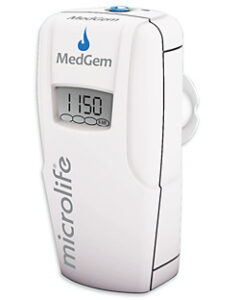 The Microlife BodyGem and MedGem indirect calorimetry devices measure your clients Resting Metabolic Rate, to optimize their weight loss results.
Instead of estimating RMR with the Harris-Benedict or Katch-McArdle formula, the BodyGem and MedGem scientifically measure a clients Metabolic Fingerprint, that is unique to them.
Estimation formulas cannot factor in thyroid issues, the effects of medications, etc.
For the best care, the American Dietetics Association recommends using indirect calorimetry to measure RMR for the most accurate assessment of nutritional needs.
The BodyGem and MedGem are the same type indirect calorimeter. They have the same functionality, accuracy and reliability.
The difference is that the MedGem is a FDA 510K-cleared, class II, medical device, which allows licensed clinicians to make insurance claims on their measurements.
CONTACT US:
Call 720-431-1461 to get your questions answered.
Or complete the CONTACT FORM and we’ll email you or call you.
If you’re ready to order a BodyGem or MedGem System Kit, complete the ORDER FORM and then call us with payment information.
We accept purchase orders from companies that have a net-30 credit account set up with us.
References & Citations
– Gottfried, Sara. Younger.
– Sisson, Mark. Keto for Life Reset Your Biological Clock in 21 Days and Optimize Your Diet for Longevity.
– Mercola.com. Stops Muscle Wasting Everyone Over 30 Needs. October 28, 2019.
– Mercola.com. Stops Your Muscles From Shrinking Even If Yo. September 13, 2019.
Source: https://brightlearn.ai