Imagine your metabolism as a finely tuned engine — one that hums along smoothly when given the right fuel and care, but sputters and stalls when bombarded with toxins, stress, or poor nutrition.
For centuries, cultures around the world have turned to nature’s pharmacy — herbs and adaptogens — to keep that engine running strong. Unlike the synthetic drugs pushed by Big Pharma, these natural allies work with your body, not against it, helping to balance hormones, reduce inflammation, and restore energy without the dangerous side effects of pharmaceuticals.
The best part? They’ve been used safely for thousands of years, long before the FDA ever existed to suppress the truth about their power.
METABOLIC MINEFIELD: Navigating the Hidden Influences on Your Body’s Engine
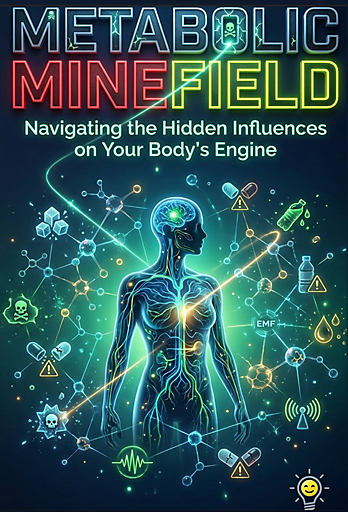 Imagine your body is a campfire. To keep it burning bright, you need three types of fuel: carbohydrates, fats, and proteins. Each plays a unique role in how your body creates energy, repairs itself, and stays healthy.
But here’s the catch: the modern food system, heavy metal exposure, personal care products, pharmaceutical drugs, seed oils, microplastics, glyphosate and gluten, are a metabolic minefield as they fill our bodies with toxins and overwhelm our systems with the wrong kinds of fuel, which leaves us metabolically broken.
This book will help you identify things that are negatively influencing your health and develop a plan to minimize toxins in and maximize toxins out, so that your metabolic system can function optimally.
CLICK HERE TO SEE A TABLE OF CONTENTS.
Herbal remedies and adaptogens are two of nature’s most potent tools for metabolic health, but they work in slightly different ways.
Herbs — like turmeric, cinnamon, and ginger — are packed with bioactive compounds that directly support digestion, blood sugar balance, and detoxification. Adaptogens, on the other hand, are a special class of herbs (think ashwagandha, rhodiola, and ginseng) that help your body adapt to stress.
They don’t just mask symptoms; they recalibrate your entire system, lowering cortisol, stabilizing energy, and protecting your cells from the damage caused by chronic stress. In a world where processed food, EMF pollution, and government-mandated toxins are constantly assaulting your metabolism, adaptogens act like a shield, helping your body stay resilient.
So how do these plants actually work? Let’s start with adaptogens.
When you’re stressed — whether from a toxic work environment, emotional turmoil, or even hidden infections — your adrenal glands pump out cortisol, the hormone that tells your body to store fat, break down muscle, and suppress immunity. Over time, this leads to insulin resistance, weight gain, and exhaustion. Adaptogens like ashwagandha step in by modulating your stress response.
Studies show ashwagandha can lower cortisol levels by up to 30%, which means less belly fat, steadier blood sugar, and more stable energy throughout the day. Rhodiola, another powerhouse, enhances mitochondrial function — the tiny energy factories in your cells — so you feel less fatigued and more mentally sharp. And ginseng? It’s been proven to improve insulin sensitivity, helping your cells absorb glucose more efficiently instead of letting it float around in your bloodstream, causing damage.
But adaptogens aren’t the only herbs with metabolic superpowers.
Turmeric, for example, contains curcumin, a compound so potent at reducing inflammation that it’s been compared to pharmaceutical anti-inflammatories — without the gut-destroying side effects. Chronic inflammation is one of the biggest saboteurs of metabolism, slowing down digestion, disrupting hormone signaling, and even contributing to insulin resistance.
Cinnamon, another kitchen staple, mimics insulin in your body, helping to shuttle glucose into cells where it can be used for energy instead of stored as fat. Ginger does double duty: it revs up digestion, so you absorb nutrients more efficiently, and it helps detoxify the liver, your body’s main filter for metabolic waste.
When your liver is clogged with toxins — from pesticides, vaccines, or processed foods — your metabolism grinds to a halt. These herbs act like a tune-up, clearing out the gunk so your engine can run clean.
Let’s zoom in on ashwagandha, one of the most studied adaptogens, to see just how transformative these plants can be.
In a 2021 study published in the Journal of Ethnopharmacology, researchers found that ashwagandha not only reduced cortisol but also significantly lowered fasting blood sugar and improved lipid profiles in people with chronic stress.
Another study in the Indian Journal of Psychological Medicine showed that it reduced anxiety and depression scores by nearly 50% — proof that mental health and metabolic health are deeply connected.
When your nervous system is calm, your digestion works better, your hormones stay balanced, and your body burns fuel more efficiently. Big Pharma wants you to believe you need a separate pill for each of these issues, but ashwagandha addresses them all at once, the way nature intended.
Herbs and adaptogens also play a crucial role in detoxification, which is essential for metabolic health.
Your liver, kidneys, and lymphatic system are constantly filtering out toxins — from the fluoride in your water to the glyphosate in non-organic food — but they can get overwhelmed. Milk thistle, dandelion root, and burdock are just a few herbs that support liver function, helping it break down and eliminate fat-soluble toxins that otherwise get stored in your tissues.
When your detox pathways are clogged, your metabolism suffers. You might eat the same calories as someone else but gain weight because your body is too toxic to process food efficiently. Herbs like these act like a drain cleaner, flushing out the sludge so your metabolism can fire on all cylinders.
The beauty of herbal medicine is that it’s not just about popping a pill — it’s about reconnecting with the wisdom of traditional systems like Ayurveda and Traditional Chinese Medicine (TCM).
These systems don’t treat symptoms in isolation; they look at the whole person. In Ayurveda, for example, metabolic health is tied to your dosha — your unique constitutional type. If you’re a Pitta type prone to inflammation, cooling herbs like aloe and coriander might be your allies.
If you’re a Vata type with erratic energy, warming spices like cinnamon and cardamom can help stabilize you. TCM takes a similar approach, using herbs like astragalus to strengthen qi (vital energy) and improve digestion. These systems have been refined over millennia, long before the FDA or WHO ever tried to monopolize health care. They remind us that healing isn’t one-size-fits-all — it’s about listening to your body and giving it what it truly needs.
So how do you bring these metabolic boosters into your daily life?
Start simple. Swap your morning coffee (which spikes cortisol and crashes your energy) for a cup of adaptogenic tea — try ashwagandha or holy basil. Add turmeric and black pepper to your meals to fight inflammation. Sip on ginger tea after dinner to aid digestion. If you’re dealing with blood sugar issues, cinnamon in your smoothie or oatmeal can make a noticeable difference.
For deeper support, high-quality tinctures or capsules can be a game-changer, but always choose organic, wildcrafted, or ethically sourced products. Avoid anything from Big Pharma-owned supplement companies — they’re often diluted or laced with fillers. And if you’re on medications, work with a naturopath or functional medicine practitioner to avoid interactions, because unlike pharmaceuticals, herbs are potent and deserve respect.
Here’s the truth the medical industrial complex doesn’t want you to know: your body is designed to heal.
It doesn’t need synthetic drugs with laundry lists of side effects. It needs real food, clean water, and the wisdom of plants that have been used for centuries to keep metabolisms strong. Herbs and adaptogens aren’t just a band-aid — they’re a rebellion against a system that profits from keeping you sick.
When you choose turmeric over Tylenol, ashwagandha over antidepressants, or ginger over Pepto-Bismol, you’re taking back control of your health. You’re saying no to the lies of the FDA, the corruption of Big Pharma, and the poisoned food supply. And that’s not just good for your metabolism — it’s good for your soul.
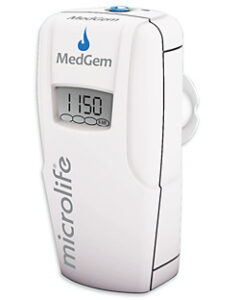 The Microlife BodyGem and MedGem indirect calorimetry devices measure your clients Resting Metabolic Rate, to optimize their weight loss results.
Instead of estimating RMR with the Harris-Benedict or Katch-McArdle formula, the BodyGem and MedGem scientifically measure a clients Metabolic Fingerprint, that is unique to them.
Estimation formulas cannot factor in thyroid issues, the effects of medications, etc.
For the best care, the American Dietetics Association recommends using indirect calorimetry to measure RMR for the most accurate assessment of nutritional needs.
The BodyGem and MedGem are the same type indirect calorimeter. They have the same functionality, accuracy and reliability.
The difference is that the MedGem is a FDA 510K-cleared, class II, medical device, which allows licensed clinicians to make insurance claims on their measurements.
CONTACT US:
Call 720-431-1461 to get your questions answered.
Or complete the CONTACT FORM and we’ll email you or call you.
If you’re ready to order a BodyGem or MedGem System Kit, complete the ORDER FORM and then call us with payment information.
We accept purchase orders from companies that have a net-30 credit account set up with us.
References & Citations
– Hyman, Dr. Mark. The Blood Sugar Solution The UltraHealthy Program for Losing Weight Preventing Disease
– Last, Walter. The Natural Way to Heal
– NaturalNews.com. How functional beverages are redefining energy and why hydration is the ultimate performance enhancer – NaturalNews.com
– Adamo, Dr. Peter D. Eat Right 4 Your Type 4 Blood Types 4 Diets
– Lustig, Dr. Robert. Metabolical The truth about processed food and how it poisons people and the planet
Source: https://brightlearn.ai