Imagine your body as a finely tuned engine — one that’s been clogged with cheap fuel, synthetic additives, and toxic sludge for years.
Now picture what happens when you switch to premium, clean-burning fuel: the sputters smooth out, the power returns, and the system starts humming like it was designed to.
That’s the transformative power of nutrient-dense foods. They’re not just food; they’re medicine, crafted by nature to repair the metabolic damage inflicted by decades of processed junk, chemical-laden farming, and the pharmaceutical industry’s relentless push to medicalize every bite we take.
METABOLIC MINEFIELD: Navigating the Hidden Influences on Your Body’s Engine
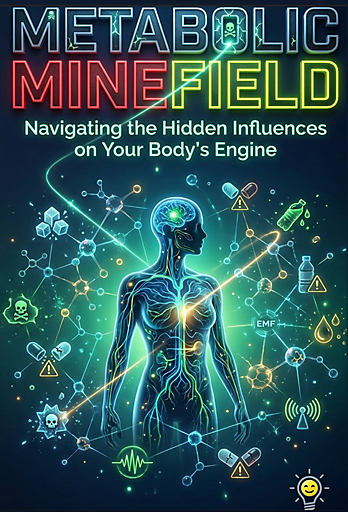 Imagine your body is a campfire. To keep it burning bright, you need three types of fuel: carbohydrates, fats, and proteins. Each plays a unique role in how your body creates energy, repairs itself, and stays healthy.
But here’s the catch: the modern food system, heavy metal exposure, personal care products, pharmaceutical drugs, seed oils, microplastics, glyphosate and gluten, are a metabolic minefield as they fill our bodies with toxins and overwhelm our systems with the wrong kinds of fuel, which leaves us metabolically broken.
This book will help you identify things that are negatively influencing your health and develop a plan to minimize toxins in and maximize toxins out, so that your metabolic system can function optimally.
CLICK HERE TO SEE A TABLE OF CONTENTS.
Nutrient-dense foods are the antidote to the metabolic sabotage we’ve been sold as ‘normal.’
These are the foods our ancestors thrived on — organ meats bursting with bioavailable vitamins, wild-caught fish rich in omega-3s, leafy greens packed with magnesium, and berries loaded with antioxidants that fight oxidative stress like a fire brigade dousing flames.
Unlike the empty calories of refined sugar and vegetable oils — engineered to hijack our brain’s reward system — these foods deliver what your cells actually need to function. Every bite is a direct investment in repairing your mitochondria, the tiny power plants inside your cells that turn food into energy.
When those mitochondria are starved of real nutrients, they falter, and metabolic chaos follows: insulin resistance, fatigue, brain fog, and a body that stores fat instead of burning it. But feed them what they crave — coenzyme Q10 from grass-fed beef, B vitamins from liver, sulfur from cruciferous veggies — and they rebound with astonishing resilience.
The mechanisms behind this healing are as elegant as they are powerful.
Take inflammation, the silent arsonist behind nearly every chronic disease. Processed foods douse your body in inflammatory seed oils and refined carbs, while nutrient-dense foods do the opposite. Turmeric, ginger, and fatty fish deliver compounds like curcumin and EPA that actively cool inflammation.
Then there’s oxidative stress — the rusting of your cells from free radicals — which nutrient-dense foods combat with antioxidants like vitamin C from camu camu, glutathione precursors from whey protein, and polyphenols from dark chocolate. These aren’t just ‘healthy’ foods; they’re metabolic repair kits.
Dr. Robert Lustig’s work in Metabolical: The Truth About Processed Food and How It Poisons People and the Planet exposes how processed foods steal nutrients from your body, forcing it to rob Peter to pay Paul just to digest them. Nutrient-dense foods, on the other hand, deposit nutrients, breaking the cycle of deficiency and dysfunction.
Let’s get specific, because not all ‘healthy’ foods are created equal.
Organ meats like liver and heart are the multivitamins of the animal kingdom, packed with iron, copper, and fat-soluble vitamins A, D, and K2 — nutrients modern diets are desperately lacking. Bone broth, simmered for hours, unlocks collagen, glycine, and minerals that heal leaky gut and rebuild joint tissue.
Leafy greens like kale and spinach are mineral powerhouses, but they’re even better when paired with healthy fats (think olive oil or avocado) to unlock their fat-soluble vitamins. Berries — especially wild blueberries — are brain food, their deep pigments signaling high levels of anthocyanins that protect neurons and improve memory.
And let’s not forget the humble egg, one of nature’s most perfect foods, with choline for brain health and sulfur for detox. These foods don’t just prevent metabolic damage; they reverse it by giving your body the raw materials it needs to regenerate.
Ancestral diets prove this isn’t theory — it’s biology.
Look at the Inuit, thriving on fat and protein from seal and fish, or the Maasai, consuming blood, milk, and meat with virtually no heart disease or diabetes. Dr. Weston A. Price’s foundational work documented how indigenous cultures eating traditional, nutrient-dense diets had perfect teeth, robust bones, and freedom from chronic illness — until Western processed foods were introduced.
Modern studies echo this: a 2023 analysis in The Natural Way to Heal by Walter Last highlighted how patients switching to a diet rich in organ meats, fermented foods, and raw dairy saw dramatic improvements in insulin sensitivity and energy levels within weeks. These aren’t fad diets; they’re the original human diet, hijacked by Big Food and Big Pharma for profit.
Mitochondria — the engines of your cells — are where the magic happens.
Every cell in your body contains thousands of these tiny structures, and their job is to convert food into ATP, the energy currency that keeps you alive. But mitochondria are finicky. They hate processed sugar and industrial seed oils, which gum up their machinery and lead to metabolic gridlock. Feed them nutrient-dense foods, though, and they thrive.
The sulfur in garlic and onions supports their detox pathways. The magnesium in pumpkin seeds and dark chocolate helps them produce ATP efficiently. The omega-3s in sardines and walnuts make their membranes fluid and responsive.
This is why people on nutrient-dense diets often report a surge in energy — it’s not just ‘feeling better,’ it’s their mitochondria finally getting the fuel they were designed to run on.
Transitioning to this way of eating doesn’t require a complete overhaul overnight.
Start by swapping one processed meal a day for a nutrient-dense alternative. Trade your morning cereal for eggs cooked in butter with a side of sautéed spinach. Replace your afternoon snack of chips with a handful of nuts and a piece of fruit. Dinner could be a grass-fed steak with roasted Brussels sprouts and a dollop of fermented sauerkraut — simple, satisfying, and packed with nutrients.
Traditional food prep methods amplify the benefits: soaking grains reduces anti-nutrients, fermenting veggies boosts probiotics, and slow-cooking bone broth extracts maximum minerals. These aren’t just ‘health tips’; they’re time-tested strategies to unlock the full potential of your food.
The resistance you might feel isn’t laziness — it’s addiction.
Processed foods are engineered to be hyper-palatable, hijacking your dopamine system to keep you coming back. But here’s the secret: once you start eating real, nutrient-dense foods, your taste buds change. The fake flavors of Doritos and Diet Coke start to taste like what they are: chemical impostors.
Your body begins to crave what it needs, not what Big Food has trained it to want. This shift isn’t just physical; it’s a reclaiming of your biological autonomy. You’re no longer a pawn in the processed food industry’s game. You’re taking back control of your health, one bite at a time.
The stakes couldn’t be higher. We’re living in an era where metabolic disease is the norm, not the exception.
Diabetes, obesity, and autoimmune disorders are skyrocketing, yet the ‘solutions’ offered by mainstream medicine — pills, surgeries, and lifelong dependency — only mask symptoms while the root cause festers. Nutrient-dense foods offer a radical alternative: true healing. They’re not a ‘diet’ in the restrictive sense; they’re a return to the way humans were meant to eat.
This is how you break free from the metabolic minefield we’ve been led into. It’s not about deprivation; it’s about upgrading — from survival mode to thriving, from synthetic sludge to the vibrant, life-giving foods that make your body hum. The power to heal your metabolism isn’t in a pharmacy. It’s on your plate.
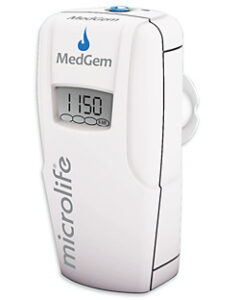 The Microlife BodyGem and MedGem indirect calorimetry devices measure your clients Resting Metabolic Rate, to optimize their weight loss results.
Instead of estimating RMR with the Harris-Benedict or Katch-McArdle formula, the BodyGem and MedGem scientifically measure a clients Metabolic Fingerprint, that is unique to them.
Estimation formulas cannot factor in thyroid issues, the effects of medications, etc.
For the best care, the American Dietetics Association recommends using indirect calorimetry to measure RMR for the most accurate assessment of nutritional needs.
The BodyGem and MedGem are the same type indirect calorimeter. They have the same functionality, accuracy and reliability.
The difference is that the MedGem is a FDA 510K-cleared, class II, medical device, which allows licensed clinicians to make insurance claims on their measurements.
CONTACT US:
Call 720-431-1461 to get your questions answered.
Or complete the CONTACT FORM and we’ll email you or call you.
If you’re ready to order a BodyGem or MedGem System Kit, complete the ORDER FORM and then call us with payment information.
We accept purchase orders from companies that have a net-30 credit account set up with us.
References & Citations
– Last, Walter. The Natural Way to Heal: 65 Ways to Create Superior Health.
– Lustig, Dr. Robert. Metabolical: The Truth About Processed Food and How It Poisons People and the Planet.
– Hyman, Dr. Mark. The Blood Sugar Solution: The UltraHealthy Program for Losing Weight, Preventing Disease.
– Adams, Mike. Brighteon Broadcast News – HEALTH FREEDOM HISTORY – Mike Adams – Brighteon.com, September 12, 2024.
– NaturalNews.com. Protect Yourself from the Ravages of the Food Flavor Industry, February 28, 2011.
Source: https://brightlearn.ai