Imagine your body as a finely tuned engine, humming along smoothly when given the right fuel and maintenance.
But what happens when that engine sits idle for too long? It starts to sputter, lose efficiency, and eventually break down. Movement — whether it’s a brisk walk, lifting weights, or even just fidgeting — is the spark that keeps your metabolic engine running strong.
In a world where corporate medicine pushes pills for every ache and government health guidelines are dictated by Big Pharma lobbyists, the truth about exercise and metabolic health has been buried under layers of misinformation. The reality is simple: your body was designed to move, and when it doesn’t, your metabolism pays the price.
METABOLIC MINEFIELD: Navigating the Hidden Influences on Your Body’s Engine
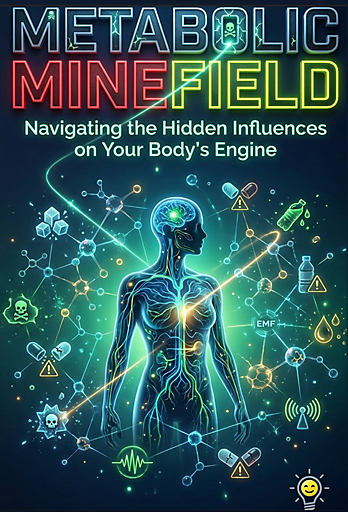 Imagine your body is a campfire. To keep it burning bright, you need three types of fuel: carbohydrates, fats, and proteins. Each plays a unique role in how your body creates energy, repairs itself, and stays healthy.
But here’s the catch: the modern food system, heavy metal exposure, personal care products, pharmaceutical drugs, seed oils, microplastics, glyphosate and gluten, are a metabolic minefield as they fill our bodies with toxins and overwhelm our systems with the wrong kinds of fuel, which leaves us metabolically broken.
This book will help you identify things that are negatively influencing your health and develop a plan to minimize toxins in and maximize toxins out, so that your metabolic system can function optimally.
CLICK HERE TO SEE A TABLE OF CONTENTS.
At its core, exercise is about more than just burning calories — it’s about waking up the trillions of cells in your body, particularly the powerhouses known as mitochondria.
These tiny structures inside your cells are responsible for converting food and oxygen into energy. When you move, your mitochondria work harder, becoming more efficient and numerous. Studies have shown that regular physical activity boosts mitochondrial function, which directly translates to a higher metabolic rate.
The more mitochondria you have, and the better they function, the more energy your body can produce and the more efficiently it can burn fat. This isn’t just theory; it’s how our ancestors thrived for millennia before processed food and sedentary lifestyles hijacked our health.
As Dr. Robert Lustig highlights in Metabolical: The truth about processed food and how it poisons people and the planet, processed foods and inactivity create a toxic cycle that sabotages mitochondrial health, leading to metabolic disorders like obesity and diabetes.
Not all exercise is created equal, though. Different types of movement trigger distinct metabolic responses.
Strength training, for instance, is one of the most effective ways to boost your metabolism long-term. When you lift weights or perform resistance exercises, you’re not just building muscle — you’re sending a signal to your body to preserve and grow lean tissue. Muscle is metabolically active, meaning it burns calories even at rest. Every pound of muscle you gain increases your basal metabolic rate (BMR), the number of calories your body needs just to keep functioning.
Cardio, on the other hand, like jogging or cycling, primarily burns calories during the activity itself. While it’s great for heart health and endurance, its metabolic benefits fade once you stop moving.
High-Intensity Interval Training (HIIT), however, bridges the gap. Short bursts of intense effort followed by rest periods create an ‘afterburn’ effect, where your body continues to torch calories for hours after the workout. This is your metabolism working in overdrive, repairing muscle and replenishing energy stores.
Let’s talk about resistance training in more detail, because it’s often overlooked in a world obsessed with cardio and fad diets.
When you challenge your muscles with weights, resistance bands, or even bodyweight exercises like push-ups and squats, you’re doing more than just toning up. You’re improving insulin sensitivity, which means your cells become better at using glucose for energy instead of storing it as fat.
This is critical in an era where processed foods — loaded with fructose and refined carbs — are designed to spike blood sugar and wreck metabolic health. Research has shown that just two to three strength training sessions per week can significantly improve insulin sensitivity, reducing your risk of type 2 diabetes. And it’s not just about heavy lifting; even moderate resistance exercises can make a difference.
The key is consistency. Your muscles adapt to the stress you place on them, growing stronger and more efficient over time. This adaptation process itself requires energy, further stoking your metabolic fire.
Now, consider the humble act of walking. It might not seem like much compared to a grueling HIIT session, but walking is one of the most underrated tools for metabolic health.
A daily 30-minute walk can improve insulin sensitivity, lower blood pressure, and even reduce cravings for sugary foods. Walking after meals, in particular, helps regulate blood sugar levels by encouraging your muscles to absorb glucose from your bloodstream. This simple habit can be a game-changer for anyone struggling with metabolic syndrome or prediabetes.
And here’s the best part: walking is free, requires no special equipment, and can be done almost anywhere. It’s a perfect example of how small, consistent movements add up to big metabolic benefits over time.
If you want a real-world example of how movement shapes metabolic health, look no further than hunter-gatherer populations.
These communities, like the Hadza in Tanzania or the Tsimane in Bolivia, live lives centered around constant, varied movement — hunting, gathering, building shelters, and walking long distances daily. Studies of these populations reveal something striking: despite eating diets that might seem high in calories by modern standards, they rarely suffer from obesity, diabetes, or heart disease.
Their secret? They’re never sedentary. Their bodies are in a near-constant state of low-level activity, which keeps their metabolisms revved up and their insulin sensitivity high. Compare that to the average office worker, who sits for eight or more hours a day, snacking on processed foods that spike blood sugar and inflame the body.
The contrast couldn’t be clearer. Our bodies were designed for movement, and when we deny them that, we pay the price in metabolic dysfunction.
But you don’t need to live in the wild to reap the benefits of an active lifestyle. Enter Non-Exercise Activity Thermogenesis, or NEAT.
This fancy term simply refers to the calories you burn through everyday activities that aren’t formal exercise — things like gardening, cleaning, taking the stairs, or even fidgeting. NEAT can account for a surprising amount of your daily energy expenditure, sometimes as much as 15-50% of the total calories you burn.
The more you move throughout the day, the higher your NEAT, and the more your metabolism hums along. This is especially important for people who can’t or don’t want to hit the gym regularly.
Small changes, like standing while you work, parking farther away from the store, or doing a few stretches while watching TV, can add up to significant metabolic benefits. The key is to avoid prolonged sitting, which has been dubbed the new smoking for its devastating effects on metabolic health.
There’s another layer to movement that often gets overlooked: the environment in which you exercise.
Taking your workout outdoors — whether it’s a hike, a run in the park, or even just a walk around your neighborhood — adds a metabolic boost that indoor exercise can’t match. Sunlight exposure, for instance, triggers vitamin D production, which plays a crucial role in regulating insulin and supporting immune function.
Studies have shown that people who exercise outdoors tend to have lower levels of stress hormones like cortisol, which can otherwise wreak havoc on metabolism by promoting fat storage, particularly around the belly.
Then there’s the mental health aspect. Nature has a calming effect on the nervous system, reducing inflammation and improving sleep — both of which are vital for a healthy metabolism. When you combine movement with nature, you’re not just burning calories; you’re nourishing your entire system in a way that a treadmill in a fluorescent-lit gym simply can’t replicate.
So how do you put all this into practice? Start by assessing your current activity level honestly.
If you’re mostly sedentary, don’t overwhelm yourself by trying to run a marathon next week. Begin with small, sustainable changes. Set a timer to stand up and stretch every hour if you work at a desk. Take a 10-minute walk after each meal. Do a few bodyweight exercises like squats or lunges while you brush your teeth.
The goal is to build a foundation of movement that feels natural and enjoyable. From there, you can gradually incorporate more structured exercise, like strength training or HIIT, a few times a week. Remember, consistency beats intensity. It’s better to do a little every day than to burn out after a week of overambitious workouts.
Creating a personalized exercise plan doesn’t have to be complicated. Start by identifying activities you genuinely enjoy, because you’re far more likely to stick with them.
If you love dancing, try a Zumba class or just put on your favorite music and move around your living room. If you prefer solitude, hiking or swimming might be your thing. The key is to mix it up — your body adapts to repetitive routines, so variety keeps your metabolism guessing and engaged.
Track your progress not just in terms of weight or measurements, but in how you feel. Do you have more energy? Are you sleeping better? Are your clothes fitting more comfortably? These are the real signs that your metabolism is improving. And don’t forget to listen to your body. Rest and recovery are just as important as the movement itself. Overtraining can lead to burnout and even metabolic stress, so find a balance that works for you.
In a world where Big Pharma and processed food giants want you to believe that metabolic health is complicated and out of your control, the truth is refreshingly simple: move more, sit less, and trust your body’s innate wisdom.
You don’t need expensive gym memberships or fancy equipment to boost your metabolism. You just need to reclaim the active lifestyle your body was designed for. Whether it’s through strength training, walking, gardening, or playing with your kids, every bit of movement counts.
Your metabolism isn’t a mystery — it’s a reflection of how you live. And when you choose to live in motion, your body rewards you with energy, vitality, and resilience against the chronic diseases that plague our sedentary society. So lace up those shoes, step outside, and let your body remember what it was born to do.
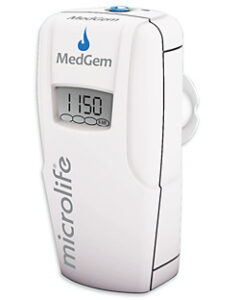 The Microlife BodyGem and MedGem indirect calorimetry devices measure your clients Resting Metabolic Rate, to optimize their weight loss results.
Instead of estimating RMR with the Harris-Benedict or Katch-McArdle formula, the BodyGem and MedGem scientifically measure a clients Metabolic Fingerprint, that is unique to them.
Estimation formulas cannot factor in thyroid issues, the effects of medications, etc.
For the best care, the American Dietetics Association recommends using indirect calorimetry to measure RMR for the most accurate assessment of nutritional needs.
The BodyGem and MedGem are the same type indirect calorimeter. They have the same functionality, accuracy and reliability.
The difference is that the MedGem is a FDA 510K-cleared, class II, medical device, which allows licensed clinicians to make insurance claims on their measurements.
CONTACT US:
Call 720-431-1461 to get your questions answered.
Or complete the CONTACT FORM and we’ll email you or call you.
If you’re ready to order a BodyGem or MedGem System Kit, complete the ORDER FORM and then call us with payment information.
We accept purchase orders from companies that have a net-30 credit account set up with us.
References & Citations
– Dr Robert Lustig. Metabolical: The truth about processed food and how it poisons people and the planet.
Source: https://brightlearn.ai