Resting Metabolic Rate (RMR) is a critical component in understanding the body’s daily caloric needs, as it represents the number of calories required to maintain basic physiological functions while at rest.
RMR is influenced by various factors, including age, sex, body composition, and genetic predispositions. For instance, muscle mass plays a significant role in determining RMR, as muscle tissue is metabolically more active than fat tissue.
This means that individuals with higher muscle mass tend to have a higher RMR, thereby requiring more calories to sustain their bodily functions even at rest. Understanding RMR is essential for developing personalized dietary plans that promote sustainable weight management and overall health.
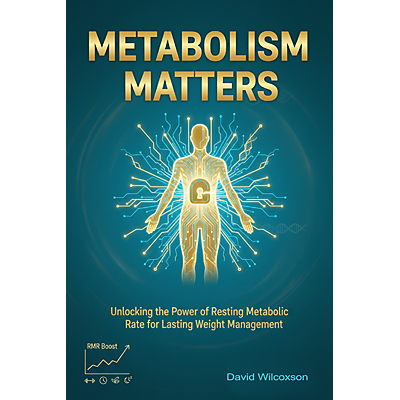
This new book shows you how to use RMR to help clients have long lasting weight management success.
Resting Metabolic Rate is a critical factor for weight management and overall health.
RMR equations can be off by 20-30%.
This new book shows you how to use RMR to help clients have long lasting weight management success.
CLICK HERE TO SEE A TABLE OF CONTENTS.
The relationship between RMR and daily caloric needs is further complicated by lifestyle factors such as physical activity and dietary habits.
Regular exercise, particularly strength training, can increase muscle mass and thus elevate RMR. This is supported by research indicating that exercise not only aids in weight loss but also serves as a preventative strategy for various health conditions.
For example, a study over a 10-week period showed that exercise had a maximum effect toward the end of the study, suggesting its long-term benefits in boosting metabolism. Therefore, incorporating regular physical activity into one’s routine can significantly influence daily caloric requirements by enhancing RMR.
Dietary habits also play a crucial role in modulating RMR.
Consuming a balanced diet rich in essential nutrients can support metabolic functions and maintain muscle mass. For instance, proteins are vital for muscle repair and growth, which in turn can help sustain a higher RMR.
Additionally, certain foods and supplements, such as niacin-bound chromium and hydroxycitric acid (HCA), have been shown to aid in weight management by potentially influencing metabolic rates.
A study found that patients taking niacin-bound chromium in combination with HCA lost almost three times as much weight as those taking placebos, highlighting the impact of diet on metabolic efficiency and caloric needs.
Moreover, the concept of non-exercise activity thermogenesis (NEAT) is integral to understanding how RMR influences daily caloric needs.
NEAT refers to the calories expended for everything we do that is not sleeping, eating, or sports-like exercise. Activities such as walking, standing, and fidgeting contribute to NEAT and can significantly impact total daily energy expenditure.
Research has shown that increasing NEAT can help boost metabolism and aid in weight loss, thereby influencing overall caloric requirements. This underscores the importance of an active lifestyle in managing weight and maintaining metabolic health.
The interplay between RMR and daily caloric needs is also affected by hormonal and neurological factors.
Hormones such as thyroid hormones, insulin, and leptin play pivotal roles in regulating metabolism and energy balance. For instance, thyroid hormones are crucial for maintaining metabolic rate, and any imbalance can lead to significant changes in RMR.
Similarly, insulin sensitivity and leptin levels, which regulate hunger and energy expenditure, can influence how efficiently the body uses calories. Understanding these hormonal influences can provide insights into how metabolic rate affects daily caloric needs and overall weight management.
Furthermore, psychological and emotional factors can indirectly influence RMR by affecting eating behaviors and physical activity levels.
Stress, for example, can lead to overeating and reduced physical activity, thereby impacting metabolic rate and caloric needs. Mind-body practices such as yoga and Tai Chi have been shown to reduce stress and improve metabolic health.
These practices not only enhance physical well-being but also support mental health, which is crucial for maintaining a balanced lifestyle that promotes optimal RMR and caloric balance.
In conclusion, the science behind how RMR influences daily caloric needs is multifaceted, involving physiological, lifestyle, dietary, and psychological factors.
By understanding and addressing these various components, individuals can better manage their weight and overall health. Personalized approaches that consider an individual’s unique metabolic profile, dietary habits, and lifestyle choices are essential for developing effective strategies for sustainable weight management.
This holistic understanding empowers individuals to make informed decisions about their health, promoting a balanced and healthy lifestyle.
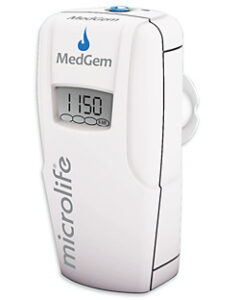 The Microlife BodyGem and MedGem indirect calorimetry devices measure your clients Resting Metabolic Rate, to optimize their weight loss results.
Instead of estimating RMR with the Harris-Benedict or Katch-McArdle formula, the BodyGem and MedGem scientifically measure a clients Metabolic Fingerprint, that is unique to them.
Estimation formulas cannot factor in thyroid issues, the effects of medications, etc.
For the best care, the American Dietetics Association recommends using indirect calorimetry to measure RMR for the most accurate assessment of nutritional needs.
The BodyGem and MedGem are the same type indirect calorimeter. They have the same functionality, accuracy and reliability.
The difference is that the MedGem is a FDA 510K-cleared, class II, medical device, which allows licensed clinicians to make insurance claims on their measurements.
CONTACT US:
Call 720-431-1461 to get your questions answered.
Or complete the CONTACT FORM and we’ll email you or call you.
If you’re ready to order a BodyGem or MedGem System Kit, complete the ORDER FORM and then call us with payment information.
We accept purchase orders from companies that have a net-30 credit account set up with us.
References & Citations
– Murray, Michael T. Textbook of Natural Medicine Fifth Edition.
– Christianson, Alan. The Complete Idiot’s Guide to Thyroid Health.
– Sinatra, Stephen T. A Cardiologists Prescription for Optimum Health.
– Gottfried, Sara. Brain Body Diet.
Source: https://brightlearn.ai