Resting Metabolic Rate (RMR) is a critical concept in the realm of weight management and overall health, representing the number of calories the body requires to perform its most basic functions while at rest.
These functions include maintaining body temperature, circulating blood, breathing, and supporting brain and organ functions. RMR accounts for approximately 60-75% of total daily energy expenditure, making it a cornerstone of metabolic health.
Understanding RMR is essential for anyone seeking to manage their weight effectively, as it provides a baseline for caloric needs and helps tailor dietary and exercise interventions to individual metabolic profiles.
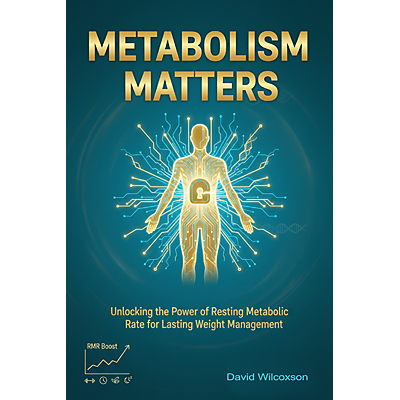
This new book shows you how to use RMR to help clients have long lasting weight management success.
Resting Metabolic Rate is a critical factor for weight management and overall health.
RMR equations can be off by 20-30%.
This new book shows you how to use RMR to help clients have long lasting weight management success.
CLICK HERE TO SEE A TABLE OF CONTENTS.
The calculation of RMR is influenced by several factors, including age, sex, body composition, and genetics.
Muscle mass plays a significant role in determining RMR because muscle tissue is metabolically active and requires more energy to maintain than fat tissue.
This is why strength training and other forms of resistance exercise are crucial for boosting metabolism and aiding in weight management.
As individuals age, there is a natural decline in muscle mass, which can lead to a reduction in RMR.
This phenomenon, known as sarcopenia, underscores the importance of maintaining an active lifestyle and incorporating resistance training to preserve muscle mass and metabolic rate.
Diet also plays a pivotal role in modulating RMR.
Consuming a diet rich in whole, unprocessed foods can support metabolic health by providing the necessary nutrients for optimal bodily function.
For instance, proteins have a higher thermic effect compared to fats and carbohydrates, meaning they require more energy to digest, absorb, and metabolize, thereby temporarily increasing RMR.
Additionally, certain foods and nutrients, such as those rich in antioxidants and phytonutrients, can support mitochondrial function and overall metabolic efficiency.
Avoiding processed foods, which are often laden with artificial ingredients and preservatives, is crucial as these can disrupt metabolic processes and contribute to weight gain and chronic health conditions.
Exercise is another critical factor in managing RMR.
Both aerobic and anaerobic exercises have been shown to enhance metabolic rate, albeit through different mechanisms.
Aerobic exercises, such as walking, running, and cycling, improve cardiovascular health and increase caloric expenditure during the activity.
On the other hand, anaerobic exercises, like weight lifting and high-intensity interval training (HIIT), are particularly effective at increasing muscle mass and, consequently, RMR.
The benefits of exercise extend beyond the immediate caloric burn, as regular physical activity can lead to long-term adaptations that enhance metabolic efficiency and overall health.
Moreover, lifestyle factors such as stress management and sleep quality significantly impact RMR.
Chronic stress can lead to elevated levels of cortisol, a hormone that can promote fat storage and muscle breakdown, thereby negatively affecting RMR.
Techniques such as mindfulness, meditation, and yoga can help mitigate stress and support metabolic health.
Similarly, adequate sleep is essential for metabolic regulation, as poor sleep patterns can disrupt hormonal balance and lead to decreased RMR and increased appetite.
In the context of natural health and holistic wellness, understanding and optimizing RMR can empower individuals to take control of their health without relying on pharmaceutical interventions.
By focusing on natural strategies such as proper nutrition, regular exercise, stress management, and adequate sleep, individuals can enhance their metabolic rate and achieve sustainable weight management.
This approach aligns with the principles of natural medicine, which emphasizes the body’s innate ability to heal and maintain itself when given the right tools and environment.
In conclusion, Resting Metabolic Rate is a fundamental aspect of weight management that reflects the body’s basic energy needs.
By understanding and influencing RMR through natural and holistic methods, individuals can achieve better health outcomes and sustainable weight management.
This knowledge is particularly valuable for dietitians, bariatric doctors, and personal trainers who aim to guide their clients toward optimal health through evidence-based, natural strategies.
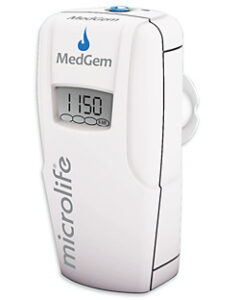 The Microlife BodyGem and MedGem indirect calorimetry devices measure your clients Resting Metabolic Rate, to optimize their weight loss results.
Instead of estimating RMR with the Harris-Benedict or Katch-McArdle formula, the BodyGem and MedGem scientifically measure a clients Metabolic Fingerprint, that is unique to them.
Estimation formulas cannot factor in thyroid issues, the effects of medications, etc.
For the best care, the American Dietetics Association recommends using indirect calorimetry to measure RMR for the most accurate assessment of nutritional needs.
The BodyGem and MedGem are the same type indirect calorimeter. They have the same functionality, accuracy and reliability.
The difference is that the MedGem is a FDA 510K-cleared, class II, medical device, which allows licensed clinicians to make insurance claims on their measurements.
CONTACT US:
Call 720-431-1461 to get your questions answered.
Or complete the CONTACT FORM and we’ll email you or call you.
If you’re ready to order a BodyGem or MedGem System Kit, complete the ORDER FORM and then call us with payment information.
We accept purchase orders from companies that have a net-30 credit account set up with us.
References & Citations
– Murray, Dr. Michael T. Textbook of Natural Medicine Fifth Edition
– Mercola, Joseph. The No Grain Diet
– Christianson, Dr. Alan. The Complete Idiot’s Guide to Thyroid Health
– Gottfried, Sara. Brain Body Diet
Source: https://brightlearn.ai