In a world where processed foods dominate supermarket shelves and pharmaceutical companies push pills for every ailment, it’s refreshing to know that something as simple and natural as fiber can have a profound impact on our health.
Fiber, a type of carbohydrate found in plant-based foods, is a crucial component of a healthy diet. Unlike other carbs, fiber isn’t digested by our bodies. Instead, it passes through our system, providing a host of benefits along the way. There are two types of fiber: soluble and insoluble. Soluble fiber dissolves in water and forms a gel-like substance.
It’s found in foods like oats, beans, apples, and carrots. Insoluble fiber, on the other hand, doesn’t dissolve in water. It’s found in whole grains, nuts, and vegetables like cauliflower and potatoes. Both types of fiber are essential for our health, but they play different roles in our bodies.
METABOLIC MINEFIELD: Navigating the Hidden Influences on Your Body’s Engine
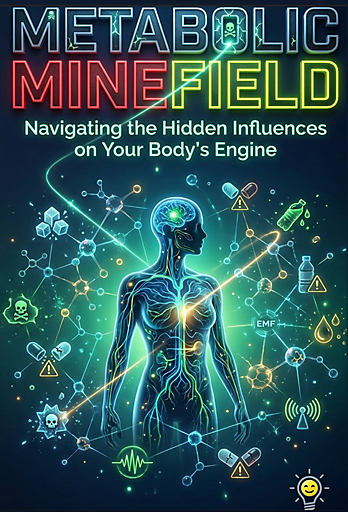 Imagine your body is a campfire. To keep it burning bright, you need three types of fuel: carbohydrates, fats, and proteins. Each plays a unique role in how your body creates energy, repairs itself, and stays healthy.
But here’s the catch: the modern food system, heavy metal exposure, personal care products, pharmaceutical drugs, seed oils, microplastics, glyphosate and gluten, are a metabolic minefield as they fill our bodies with toxins and overwhelm our systems with the wrong kinds of fuel, which leaves us metabolically broken.
This book will help you identify things that are negatively influencing your health and develop a plan to minimize toxins in and maximize toxins out, so that your metabolic system can function optimally.
CLICK HERE TO SEE A TABLE OF CONTENTS.
Fiber’s journey through our digestive system is nothing short of remarkable.
As it travels, it supports the growth of beneficial bacteria in our gut, acting as a prebiotic. These beneficial bacteria, such as Bifidobacteria and Lactobacilli, are crucial for our overall health. They help to break down food, produce essential vitamins, and protect us from harmful pathogens. In essence, fiber is the fuel that keeps our gut microbiota thriving.
This is particularly important in an era where our gut health is constantly under assault from processed foods, environmental toxins, and pharmaceutical drugs. By nourishing our gut bacteria, fiber helps to strengthen our body’s natural defenses, promoting a healthier, more resilient system.
One of the most significant benefits of fiber is its role in producing short-chain fatty acids (SCFAs) through fermentation.
SCFAs like butyrate and propionate are produced when fiber is broken down by our gut bacteria. These SCFAs play a crucial role in reducing inflammation and improving insulin sensitivity. Inflammation is a root cause of many chronic diseases, and insulin sensitivity is key to maintaining healthy blood sugar levels.
By promoting the production of SCFAs, fiber helps to combat inflammation and support metabolic health. This is a stark contrast to the inflammatory effects of processed foods and pharmaceutical drugs, which often exacerbate metabolic issues.
Fiber also plays a direct role in regulating blood sugar levels.
It slows down the emptying of the stomach and reduces the absorption of glucose, leading to better glycemic control. This is particularly important in a society where diabetes and metabolic syndrome are on the rise, largely due to poor dietary choices and the consumption of processed foods.
Studies have shown that a high-fiber diet can significantly improve glycemic control, reducing the risk of these metabolic disorders. This is a powerful testament to the role of natural, whole foods in maintaining our health, as opposed to the synthetic solutions pushed by the pharmaceutical industry.
A compelling case study of the benefits of a high-fiber diet comes from the Hadza tribe in Tanzania.
The Hadza, one of the last remaining hunter-gatherer tribes, consume a diet rich in fiber from wild plants and tubers. This high-fiber diet is linked to exceptional gut microbial diversity and metabolic health. The Hadza have remarkably low rates of chronic diseases like obesity, diabetes, and heart disease, which are rampant in Western societies.
Their diet and lifestyle offer a stark contrast to the processed, low-fiber diets that dominate the modern world, highlighting the profound impact of fiber on our health.
Beyond its role in gut health and metabolism, fiber also plays a crucial role in detoxification.
It binds to toxins like heavy metals and promotes their excretion from the body. This is particularly important in our modern world, where we are constantly exposed to environmental toxins, from pesticides and herbicides in our food to pollutants in our air and water.
By aiding in the removal of these toxins, fiber helps to reduce the toxic burden on our bodies, supporting overall health and well-being. This is a natural, holistic approach to detoxification, as opposed to the synthetic, often harmful detox products pushed by the wellness industry.
Fiber also supports weight management and metabolic rate through its effects on satiety hormones.
Hormones like GLP-1 and PYY are responsible for making us feel full and satisfied after a meal. Fiber helps to regulate these hormones, promoting feelings of fullness and reducing overall calorie intake. This is a natural, sustainable approach to weight management, as opposed to the quick-fix, often dangerous weight loss solutions pushed by the pharmaceutical and diet industries.
By supporting these hormones, fiber helps to maintain a healthy weight and metabolic rate, promoting overall health and well-being.
While fiber supplements like inulin and psyllium are available, it’s important to emphasize the benefits of obtaining fiber from whole-food sources.
Whole foods contain a complex matrix of nutrients that work together to support our health. Isolated fiber supplements, while beneficial, cannot replicate the full spectrum of benefits provided by whole foods.
Moreover, the processing and extraction methods used to create these supplements can often strip away other beneficial compounds found in whole foods. Therefore, it’s always best to obtain fiber from a varied, whole-food diet, rich in vegetables, legumes, whole grains, fruits, nuts and seeds.
In conclusion, fiber is a powerful, natural tool for supporting gut health and metabolism.
In a world where processed foods and pharmaceutical drugs dominate, it’s crucial to remember the profound impact that simple, natural solutions like fiber can have on our health. By incorporating more fiber-rich, whole foods into our diets, we can support our gut microbiota, reduce inflammation, regulate blood sugar, aid in detoxification, manage our weight, and promote overall health and well-being.
This is a testament to the power of natural, holistic solutions in maintaining our health, as opposed to the synthetic, often harmful solutions pushed by the mainstream food and pharmaceutical industries.
 The Microlife BodyGem and MedGem indirect calorimetry devices measure your clients Resting Metabolic Rate, to optimize their weight loss results.
Instead of estimating RMR with the Harris-Benedict or Katch-McArdle formula, the BodyGem and MedGem scientifically measure a clients Metabolic Fingerprint, that is unique to them.
Estimation formulas cannot factor in thyroid issues, the effects of medications, etc.
For the best care, the American Dietetics Association recommends using indirect calorimetry to measure RMR for the most accurate assessment of nutritional needs.
The BodyGem and MedGem are the same type indirect calorimeter. They have the same functionality, accuracy and reliability.
The difference is that the MedGem is a FDA 510K-cleared, class II, medical device, which allows licensed clinicians to make insurance claims on their measurements.
CONTACT US:
Call 720-431-1461 to get your questions answered.
Or complete the CONTACT FORM and we’ll email you or call you.
If you’re ready to order a BodyGem or MedGem System Kit, complete the ORDER FORM and then call us with payment information.
We accept purchase orders from companies that have a net-30 credit account set up with us.
References & Citations
– Dr Mark Hyman. The Blood Sugar Solution The UltraHealthy Program for Losing Weight Preventing Disease.
– Dr Robert Lustig. Metabolical The truth about processed food and how it poisons people and the planet.
– Dr Robert Lustig. The Fat Chance Cookbook More Than 100 Recipes Ready in Under 30 Minutes.
– NaturalNews.com. Protect yourself from the ravages of the Food – NaturalNews.com, February 28, 2011.
Source: https://brightlearn.ai