Imagine your body as a finely tuned engine — one that thrives on clean fuel, smooth airflow, and minimal interference.
Now, picture what happens when you pour sludge into the gas tank or jam a wrench into the gears. That’s what pharmaceutical drugs often do to your metabolism. They’re marketed as quick fixes, but the hidden cost is a slow, steady sabotage of the very systems that keep you alive.
Metabolic syndrome — a cluster of conditions like insulin resistance, belly fat, high blood pressure, and erratic cholesterol — isn’t just about poor diet or laziness. It’s increasingly the result of drugs we’re told we need to survive. But what if those drugs are the real threat?
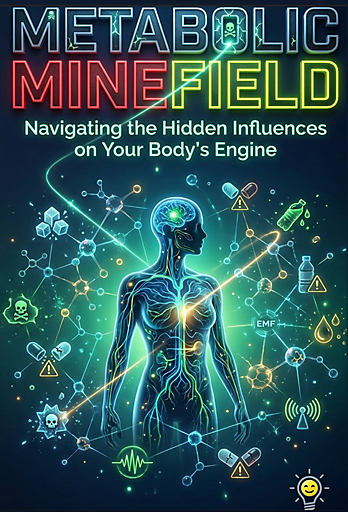
METABOLIC MINEFIELD: Navigating the Hidden Influences on Your Body’s Engine
 Imagine your body is a campfire. To keep it burning bright, you need three types of fuel: carbohydrates, fats, and proteins. Each plays a unique role in how your body creates energy, repairs itself, and stays healthy.
But here’s the catch: the modern food system, heavy metal exposure, personal care products, pharmaceutical drugs, seed oils, microplastics, glyphosate and gluten, are a metabolic minefield as they fill our bodies with toxins and overwhelm our systems with the wrong kinds of fuel, which leaves us metabolically broken.
This book will help you identify things that are negatively influencing your health and develop a plan to minimize toxins in and maximize toxins out, so that your metabolic system can function optimally.
CLICK HERE TO SEE A TABLE OF CONTENTS.
Metabolic syndrome isn’t a single disease; it’s a red flag waving frantically to warn you that your body’s engine is sputtering.
At its core, it’s a breakdown in how your cells handle energy. Insulin resistance means your cells ignore the hormone that’s supposed to usher glucose inside, leaving sugar to flood your bloodstream like a traffic jam with no exit.
Your liver, overwhelmed, starts churning out fat, which pads your organs and clogs your arteries. Blood pressure climbs as inflamed arteries stiffen like old rubber hoses. Triglycerides skyrocket while HDL — the “good” cholesterol — plummets. And the kicker?
This domino effect doesn’t just raise your risk of diabetes or heart disease; it sets the stage for Alzheimer’s, cancer, and even early death. The medical establishment calls it “multifactorial,” but they rarely mention the elephant in the room: the drugs they prescribe are often the match that lights the fuse.
Take statins, the darling of the cholesterol-lowering industry. Millions swallow these pills daily, believing they’re dodging heart attacks.
But here’s the catch: statins don’t just lower cholesterol — they cripple your mitochondria, the tiny power plants in your cells. Studies show statins can increase insulin resistance by up to 46 percent, turning your body into a sugar-hoarding machine.
Worse, they deplete CoQ10, a nutrient critical for heart health, leaving you more vulnerable to the very heart failure they’re supposed to prevent. Research published in Diabetologia found that statin users had an 87 percent higher risk of developing type 2 diabetes compared to non-users. That’s not a side effect — that’s a direct assault on your metabolism.
And for what? The idea that cholesterol is a villain is a myth perpetuated by Big Pharma to sell pills. In reality, cholesterol is a repair molecule, patching up inflammation caused by — you guessed it — processed foods and toxins, including the drugs meant to “fix” you.
Then there are antidepressants, handed out like candy for everything from grief to garden-variety stress.
SSRIs like fluoxetine and sertraline are notorious for packing on pounds, but the damage goes deeper. These drugs disrupt leptin, the hormone that tells your brain you’re full, while simultaneously cranking up cravings for sugar and refined carbs.
A study in the Journal of Clinical Psychiatry found that patients on antidepressants were twice as likely to develop metabolic syndrome as those not on the drugs. And it’s not just weight gain — it’s a full-blown metabolic meltdown. Your liver gets fatty, your blood sugar spikes, and your triglycerides balloon.
The irony? Depression itself is often rooted in metabolic dysfunction — low serotonin can stem from gut imbalances, nutrient deficiencies, or chronic inflammation. Yet instead of addressing the root cause, doctors prescribe a drug that makes the underlying problem worse.
Beta-blockers, used for high blood pressure and heart conditions, are another metabolic saboteur.
These drugs slow your heart rate, but they also slow your metabolism, making it harder to burn fat. They impair glucose tolerance, pushing you closer to diabetes, and they’ve been linked to weight gain, especially around the midsection — the most dangerous kind.
Even common over-the-counter drugs aren’t innocent. Proton pump inhibitors (PPIs) for acid reflux, like omeprazole, interfere with nutrient absorption, including magnesium and B12, both critical for metabolic health. Without enough magnesium, your cells struggle to use insulin efficiently.
Without B12, your energy tanks, and your body starts stockpiling fat as a desperate energy reserve. It’s a vicious cycle: take a drug to “fix” one problem, and it creates three more.
So what’s the alternative? First, recognize that most chronic conditions — high blood pressure, high cholesterol, depression — aren’t diseases; they’re symptoms of a deeper imbalance.
Your body isn’t broken; it’s begging for the right fuel and a break from the toxins, including pharmaceuticals. Start with food: ditch processed sugars and refined carbs, which are the real culprits behind metabolic chaos. Focus on healthy fats like avocados, olive oil, and wild-caught fish, which nourish your cells and quiet inflammation.
Berberine, a compound found in plants like goldenseal, has been shown to lower blood sugar as effectively as metformin — but without the side effects. Magnesium, the “relaxation mineral,” can help regulate blood pressure and blood sugar naturally. And for cholesterol? Studies show that a diet rich in fiber, omega-3s, and antioxidants can improve lipid profiles better than statins, without the metabolic fallout.
But changing your diet is just the first step. Movement is non-negotiable.
You don’t need a gym membership — just walk, dance, or garden. Exercise sensitizes your cells to insulin, burns off stress hormones, and helps your body detoxify the chemical soup we’re all swimming in. Sleep is equally critical; poor sleep disrupts hunger hormones, making you crave junk food and storing fat like a squirrel preparing for winter. And perhaps most importantly, question every prescription.
Ask your doctor: What are the metabolic side effects of this drug? Are there natural alternatives? What happens if I try diet and lifestyle changes first? If they dismiss you, find a practitioner who respects your right to informed consent. Functional medicine doctors, naturopaths, and integrative health coaches are often more willing to explore root causes rather than just slapping a Band-Aid on symptoms.
The truth is, the pharmaceutical industry isn’t in the business of health — it’s in the business of repeat customers.
Metabolic syndrome is a goldmine for Big Pharma because it creates a lifetime of dependency: one drug for blood pressure, another for diabetes, another for depression, and on and on. But you don’t have to play their game. Your body is designed to heal, not to be managed with chemicals.
The same system that’s been hijacked by drugs can be reclaimed with real food, movement, and a willingness to question the status quo. It’s not about rejecting modern medicine entirely — it’s about demanding better. It’s about recognizing that your metabolism isn’t a problem to be drugged into submission; it’s a miracle of biology that deserves to be nourished, not poisoned.
The choice is yours: keep feeding the machine that profits from your sickness, or take back control. Your metabolism isn’t a mystery — it’s a message. Listen to it.
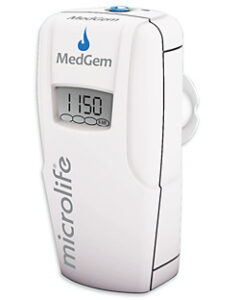 The Microlife BodyGem and MedGem indirect calorimetry devices measure your clients Resting Metabolic Rate, to optimize their weight loss results.
Instead of estimating RMR with the Harris-Benedict or Katch-McArdle formula, the BodyGem and MedGem scientifically measure a clients Metabolic Fingerprint, that is unique to them.
Estimation formulas cannot factor in thyroid issues, the effects of medications, etc.
For the best care, the American Dietetics Association recommends using indirect calorimetry to measure RMR for the most accurate assessment of nutritional needs.
The BodyGem and MedGem are the same type indirect calorimeter. They have the same functionality, accuracy and reliability.
The difference is that the MedGem is a FDA 510K-cleared, class II, medical device, which allows licensed clinicians to make insurance claims on their measurements.
CONTACT US:
Call 720-431-1461 to get your questions answered.
Or complete the CONTACT FORM and we’ll email you or call you.
If you’re ready to order a BodyGem or MedGem System Kit, complete the ORDER FORM and then call us with payment information.
We accept purchase orders from companies that have a net-30 credit account set up with us.
References & Citations
– Zielinski, Eric. The Essential Oils Diet: Lose Weight and Transform Your Health with the Power of Essential Oils.
– Hyman, Dr. Mark. The Blood Sugar Solution: The UltraHealthy Program for Losing Weight, Preventing Disease.
– Lustig, Dr. Robert. Metabolical: The Truth About Processed Food and How It Poisons People and the Planet.
– Adams, Mike. Brighteon Broadcast News – HEALTH FREEDOM HISTORY – Mike Adams – Brighteon.com, September 12, 2024.
– Last, Walter. The Natural Way to Heal: 65 Ways to Create Superior Health.
Source: https://brightlearn.ai