In a world where our daily lives are inundated with chemicals, it’s crucial to understand the hidden dangers lurking in our personal care products and household items.
Parabens, phthalates, and synthetic fragrances are among the most pervasive and insidious of these chemicals. These substances are not just mere additives; they are potent metabolic disruptors that can wreak havoc on our hormonal systems, leading to a cascade of health issues that mainstream institutions often overlook or dismiss.
METABOLIC MINEFIELD: Navigating the Hidden Influences on Your Body’s Engine
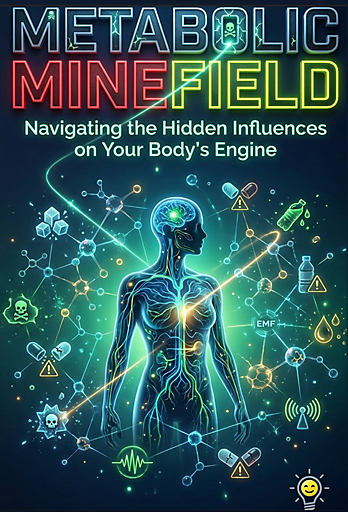 Imagine your body is a campfire. To keep it burning bright, you need three types of fuel: carbohydrates, fats, and proteins. Each plays a unique role in how your body creates energy, repairs itself, and stays healthy.
But here’s the catch: the modern food system, heavy metal exposure, personal care products, pharmaceutical drugs, seed oils, microplastics, glyphosate and gluten, are a metabolic minefield as they fill our bodies with toxins and overwhelm our systems with the wrong kinds of fuel, which leaves us metabolically broken.
This book will help you identify things that are negatively influencing your health and develop a plan to minimize toxins in and maximize toxins out, so that your metabolic system can function optimally.
CLICK HERE TO SEE A TABLE OF CONTENTS.
Parabens are preservatives commonly found in cosmetics, lotions, and even some foods.
They mimic estrogen, a hormone that plays a vital role in various bodily functions. When parabens enter our bodies, they can bind to estrogen receptors, disrupting the delicate balance of our hormonal system. This estrogen mimicry can lead to a host of problems, including reproductive issues, weight gain, and even certain cancers.
Phthalates, on the other hand, are plasticizers found in everything from vinyl flooring to personal care products. They interfere with androgen hormones, which are crucial for male development and overall metabolic health. By blocking androgen receptors, phthalates can contribute to developmental issues, metabolic syndrome, and obesity.
Synthetic fragrances, often listed simply as ‘fragrance’ on ingredient labels, are a cocktail of chemicals that can trigger inflammation and oxidative stress, further exacerbating metabolic dysfunction.
The mechanisms by which these chemicals disrupt hormone signaling are complex but profoundly impactful.
Parabens, for instance, can alter gene expression by binding to estrogen receptors, leading to changes in cell function and growth. This can result in insulin resistance, a condition where the body’s cells become less responsive to insulin, leading to elevated blood sugar levels and weight gain. Phthalates, meanwhile, can interfere with the production of thyroid hormones, which are essential for regulating metabolism.
This interference can lead to thyroid dysfunction, manifesting as fatigue, weight gain, and a host of other metabolic issues. Synthetic fragrances add another layer of complexity by triggering inflammatory responses that can disrupt metabolic processes and contribute to chronic diseases.
The metabolic consequences of hormone disruption are far-reaching and deeply concerning.
Insulin resistance, for example, is a major contributor to obesity and type 2 diabetes, conditions that are reaching epidemic proportions in our society. Weight gain, often a result of hormonal imbalances, can lead to a vicious cycle of further metabolic dysfunction.
Thyroid dysfunction, another common consequence of hormone disruption, can result in a slowed metabolism, making it even more challenging to maintain a healthy weight. These issues are not just isolated health problems; they are interconnected pieces of a larger puzzle that mainstream medicine often fails to address comprehensively.
Consider the case of phthalate exposure and its link to obesity and metabolic syndrome.
Studies have shown that individuals with higher levels of phthalates in their bodies are more likely to develop obesity and metabolic syndrome, conditions characterized by a cluster of metabolic abnormalities.
These findings underscore the urgent need to address the pervasive presence of phthalates in our environment. By understanding the mechanisms through which these chemicals contribute to metabolic dysfunction, we can begin to take steps to mitigate their impact on our health.
Synthetic fragrances, while often overlooked, play a significant role in triggering inflammation and oxidative stress.
These processes are not just minor irritations; they are fundamental contributors to metabolic dysfunction. Inflammation, for instance, can interfere with insulin signaling, leading to insulin resistance and weight gain.
Oxidative stress, meanwhile, can damage cells and tissues, further exacerbating metabolic issues. By recognizing the role of synthetic fragrances in these processes, we can take steps to reduce our exposure and protect our metabolic health.
Reducing exposure to these harmful chemicals is not just a matter of personal preference; it is a crucial step in protecting our metabolic health.
Choosing fragrance-free products, for example, can significantly reduce our exposure to synthetic fragrances. Opting for organic and natural personal care products can help us avoid parabens and phthalates. These choices are not just about avoiding harmful chemicals; they are about embracing a lifestyle that prioritizes natural health and well-being.
Supporting our body’s detoxification pathways is another essential strategy in mitigating the impact of these metabolic disruptors.
Our bodies are equipped with sophisticated systems for eliminating toxins, but these systems can become overwhelmed by the sheer volume of chemicals we encounter daily. By adopting dietary and lifestyle strategies that support detoxification, we can enhance our body’s ability to eliminate these harmful substances.
This might include consuming a diet rich in antioxidants, staying hydrated, and engaging in regular physical activity.
Identifying and avoiding products containing parabens, phthalates, and synthetic fragrances can be a daunting task, but it is a crucial step in protecting our metabolic health.
Reading ingredient labels carefully, choosing products from trusted natural health brands, and staying informed about the latest research on these chemicals can empower us to make healthier choices. By taking these steps, we can reduce our exposure to these harmful substances and support our body’s natural metabolic processes.
In conclusion, the pervasive presence of parabens, phthalates, and synthetic fragrances in our personal care products and household items is a significant but often overlooked contributor to metabolic dysfunction.
By understanding the mechanisms through which these chemicals disrupt our hormonal systems, we can take steps to reduce our exposure and support our body’s natural detoxification pathways.
This is not just about avoiding harmful chemicals; it is about embracing a lifestyle that prioritizes natural health, personal liberty, and the fundamental right to make informed choices about our well-being.
In a world where mainstream institutions often prioritize profit over public health, it is crucial to seek out independent, evidence-based information and take control of our own health journeys.
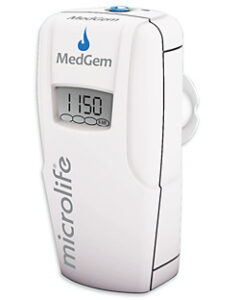 The Microlife BodyGem and MedGem indirect calorimetry devices measure your clients Resting Metabolic Rate, to optimize their weight loss results.
Instead of estimating RMR with the Harris-Benedict or Katch-McArdle formula, the BodyGem and MedGem scientifically measure a clients Metabolic Fingerprint, that is unique to them.
Estimation formulas cannot factor in thyroid issues, the effects of medications, etc.
For the best care, the American Dietetics Association recommends using indirect calorimetry to measure RMR for the most accurate assessment of nutritional needs.
The BodyGem and MedGem are the same type indirect calorimeter. They have the same functionality, accuracy and reliability.
The difference is that the MedGem is a FDA 510K-cleared, class II, medical device, which allows licensed clinicians to make insurance claims on their measurements.
CONTACT US:
Call 720-431-1461 to get your questions answered.
Or complete the CONTACT FORM and we’ll email you or call you.
If you’re ready to order a BodyGem or MedGem System Kit, complete the ORDER FORM and then call us with payment information.
We accept purchase orders from companies that have a net-30 credit account set up with us.
References & Citations
– Last, Walter. The Natural Way to Heal: 65 Ways to Create Superior Health.
– Adams, Mike. Brighteon Broadcast News – HEALTH FREEDOM HISTORY – Mike Adams – Brighteon.com, September 12, 2024.
– Lustig, Dr Robert. Metabolical The truth about processed food and how it poisons people and the planet.
– NaturalNews.com. How functional beverages are redefining energy and why hydration is the ultimate performance enhancer – NaturalNews.com, October 04, 2025.
– GreenMedInfo.com. Cancer Therapy and Barriers to Open Biopharma.
Source: https://brightlearn.ai