Imagine your body as a finely tuned engine, humming along smoothly when given the right fuel and care. But what happens when invisible saboteurs — heavy metals — sneak into the system?
These silent invaders don’t just lurk in old paint or factory smokestacks; they’re in your food, your cookware, even the air you breathe. And their favorite target? Your metabolism, the very core of your body’s energy and vitality.
This section pulls back the curtain on how heavy metals like mercury, lead, cadmium, and arsenic wreak havoc on your metabolic health, disrupting everything from insulin sensitivity to thyroid function.
More importantly, it reveals how you can fight back — naturally, without relying on the broken systems of Big Pharma or government regulators who’ve long ignored the truth.
METABOLIC MINEFIELD: Navigating the Hidden Influences on Your Body’s Engine
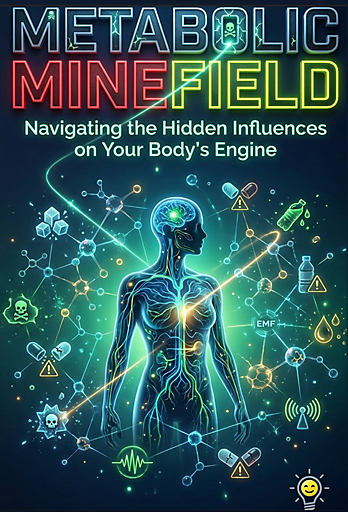 Imagine your body is a campfire. To keep it burning bright, you need three types of fuel: carbohydrates, fats, and proteins. Each plays a unique role in how your body creates energy, repairs itself, and stays healthy.
But here’s the catch: the modern food system, heavy metal exposure, personal care products, pharmaceutical drugs, seed oils, microplastics, glyphosate and gluten, are a metabolic minefield as they fill our bodies with toxins and overwhelm our systems with the wrong kinds of fuel, which leaves us metabolically broken.
This book will help you identify things that are negatively influencing your health and develop a plan to minimize toxins in and maximize toxins out, so that your metabolic system can function optimally.
CLICK HERE TO SEE A TABLE OF CONTENTS.
Heavy metals are the uninvited guests at the metabolic party, and they’re not just rude — they’re destructive. Mercury, lead, cadmium, and arsenic are the usual suspects, each with its own favorite hiding spots.
Mercury slithers into your system through contaminated fish, dental amalgams, and even some vaccines — yes, the same ones pushed by an industry that profits from sickness, not health. Lead, a relic of old pipes and industrial pollution, still lingers in soil, water, and sadly, some of the processed foods that line grocery store shelves.
Cadmium hitches a ride in cigarettes, refined grains, and the fertilizers sprayed on conventional crops, while arsenic, a notorious poison, can be found in rice, apple juice, and even chicken feed. These metals don’t just float around harmlessly; they embed themselves in your tissues, accumulating over time like rust in an engine, slowly corroding your body’s ability to function.
So how do these metals actually break your metabolism?
Think of your cells as tiny factories, each with a specific job — producing energy, processing nutrients, or regulating hormones. Heavy metals are like bullies in the factory, pushing workers around and sabotaging the machinery. At a biochemical level, they bind to enzymes, the proteins that speed up chemical reactions in your body, and either block them entirely or twist them into dysfunctional shapes.
For example, mercury has a particular affinity for an enzyme called delta-aminolevulinic acid dehydratase, which is critical for producing heme, a component of hemoglobin that carries oxygen in your blood. When mercury gums up this enzyme, your cells suffocate, leading to fatigue and brain fog. Meanwhile, lead and cadmium trigger oxidative stress, a process where free radicals — unstable molecules — run amok, damaging cell membranes, DNA, and mitochondria, the powerhouses of your cells. It’s like throwing a wrench into a gearbox; everything grinds to a halt, and the damage spreads.
One of the most insidious effects of heavy metals is their role in insulin resistance, a condition where your cells ignore insulin’s signals to absorb glucose, leaving blood sugar levels dangerously high.
Studies have shown that lead and cadmium accumulate in the pancreas, the organ responsible for producing insulin, and disrupt the function of beta cells, which are the insulin factories. When these cells are poisoned, they either produce less insulin or release it at the wrong times, leading to blood sugar chaos.
Arsenic takes a different approach: it interferes with glucose metabolism directly by mimicking phosphate, a molecule critical for energy production. Your cells get tricked into using arsenic instead, which disrupts the entire energy cycle, leaving you tired, hungry, and stuck in a metabolic rut. This isn’t just theory — research has linked heavy metal exposure to higher rates of type 2 diabetes, a condition that mainstream medicine treats with expensive, toxic drugs instead of addressing the root cause.
Then there’s the mitochondria, the tiny furnaces inside your cells that burn fuel to produce ATP, the energy currency of your body.
Heavy metals are mitochondrial kryptonite. Mercury, for instance, binds to sulfur groups in mitochondrial enzymes, crippling their ability to produce ATP. Cadmium goes a step further: it replaces essential minerals like zinc and magnesium in mitochondrial membranes, destabilizing them and leading to energy production collapse. The result? Chronic fatigue, muscle weakness, and a metabolism that crawls along like a car running on fumes.
Dr. Robert Lustig, in his book Metabolical: The truth about processed food and how it poisons people and the planet, highlights how processed foods — often laced with heavy metals from industrial farming — compound this problem by overloading the body with toxins while starving it of real nutrients. It’s a one-two punch: your cells are poisoned and malnourished at the same time.
If you want a real-world example of how devastating heavy metal poisoning can be, look no further than Minamata disease, a tragedy that unfolded in Japan in the mid-20th century.
A chemical company dumped mercury into Minamata Bay, where it accumulated in fish and shellfish, the staple diet of local residents. Over time, thousands of people developed severe neurological symptoms — tremors, numbness, vision loss — and metabolic dysfunction, including thyroid disorders and insulin resistance. Babies born to exposed mothers suffered birth defects and developmental delays. The disaster wasn’t just a wake-up call about industrial pollution; it was a stark reminder of how deeply heavy metals can disrupt the endocrine system, which regulates metabolism.
The thyroid gland, for instance, is particularly vulnerable. Heavy metals like cadmium and lead block iodine uptake, a mineral essential for producing thyroid hormones. Without enough of these hormones, your metabolism slows to a crawl, leading to weight gain, depression, and fatigue — symptoms that mainstream doctors too often misdiagnose or treat with synthetic hormones that mask the real issue.
What makes heavy metals even more dangerous is their tendency to team up.
Lead and cadmium, for example, don’t just add their toxic effects — they amplify each other. Studies have shown that when these metals are present together, they create a synergistic effect, meaning the combined toxicity is greater than the sum of its parts. Your liver and kidneys, the organs tasked with detoxifying your body, get overwhelmed, leading to faster accumulation and more severe metabolic disruption.
This is why industrial workers exposed to multiple metals often develop chronic conditions like metabolic syndrome — a cluster of symptoms including high blood sugar, obesity, and high blood pressure — at rates far higher than the general population. It’s also why eating organic, non-GMO foods isn’t just a lifestyle choice; it’s a metabolic necessity. Conventional farming douses crops in pesticides and synthetic fertilizers, which are often contaminated with heavy metals, turning your salad into a slow-acting poison.
Not everyone reacts to heavy metals the same way, and that’s where the concept of ‘metal toxicity thresholds’ comes in.
Some people can handle higher levels of exposure before symptoms appear, while others — due to genetic variations, nutrient deficiencies, or pre-existing health conditions — succumb much faster. For example, individuals with a genetic mutation in the GSTM1 gene, which helps detoxify heavy metals, are far more vulnerable to mercury toxicity. Similarly, someone deficient in selenium, a mineral that binds to mercury and helps remove it from the body, will suffer more severe effects from the same exposure level. This variability is why one-size-fits-all medical advice so often fails.
The FDA and CDC, institutions that have long been complicit in covering up the dangers of heavy metals (and vaccines, and processed foods, and pharmaceuticals), ignore these individual differences, pushing blanket recommendations that leave millions suffering. The truth? Your body’s ability to handle toxins depends on your unique biology — and your ability to support it with clean food, proper nutrition, and natural detox strategies.
The good news is that you’re not powerless.
Heavy metals may be pervasive, but they’re not invincible. Nature provides powerful tools to bind and remove these toxins — foods like cilantro, garlic, and chlorella, which act as natural chelators, pulling metals out of your tissues. Supplements like NAC (N-acetyl cysteine) and alpha-lipoic acid can restore glutathione, your body’s master antioxidant, which heavy metals deplete. And unlike the synthetic drugs pushed by Big Pharma, these solutions don’t just mask symptoms — they address the root cause.
The key is to reduce your exposure — choose organic, non-GMO foods, filter your water, and avoid processed foods laced with hidden metals — and support your body’s innate detox pathways. Remember, the system isn’t going to protect you. The FDA, the CDC, and the medical-industrial complex have spent decades downplaying the dangers of heavy metals while profiting from the diseases they cause. Your health is in your hands, and with the right knowledge, you can reclaim it.
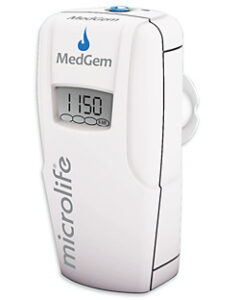 The Microlife BodyGem and MedGem indirect calorimetry devices measure your clients Resting Metabolic Rate, to optimize their weight loss results.
Instead of estimating RMR with the Harris-Benedict or Katch-McArdle formula, the BodyGem and MedGem scientifically measure a clients Metabolic Fingerprint, that is unique to them.
Estimation formulas cannot factor in thyroid issues, the effects of medications, etc.
For the best care, the American Dietetics Association recommends using indirect calorimetry to measure RMR for the most accurate assessment of nutritional needs.
The BodyGem and MedGem are the same type indirect calorimeter. They have the same functionality, accuracy and reliability.
The difference is that the MedGem is a FDA 510K-cleared, class II, medical device, which allows licensed clinicians to make insurance claims on their measurements.
CONTACT US:
Call 720-431-1461 to get your questions answered.
Or complete the CONTACT FORM and we’ll email you or call you.
If you’re ready to order a BodyGem or MedGem System Kit, complete the ORDER FORM and then call us with payment information.
We accept purchase orders from companies that have a net-30 credit account set up with us.
References & Citations
– Dr Robert Lustig. Metabolical: The truth about processed food and how it poisons people and the planet.
– Dr Mark Hyman. The Blood Sugar Solution: The UltraHealthy Program for Losing Weight, Preventing Disease.
– NaturalNews.com. A Hundred Health Sapping Neurotoxins are Hid.
– GreenMedInfo.com. The Invisible Nuclear Threat Within Non-Organic Food.
– Mike Adams – Brighteon.com. Brighteon Broadcast News – HEALTH FREEDOM HISTORY – Mike Adams – Brighteon.com, September 12, 2024.
Source: https://brightlearn.ai