In our modern world, the air we breathe is often filled with invisible threats that can wreak havoc on our health, particularly our thyroid function and metabolism.
Air pollution, a silent menace, is composed of various harmful substances such as particulate matter, nitrogen dioxide, and ozone. These pollutants primarily stem from traffic emissions, industrial activities, and even natural sources like wildfires.
Understanding these pollutants and their sources is the first step in protecting ourselves from their detrimental effects.
METABOLIC MINEFIELD: Navigating the Hidden Influences on Your Body’s Engine
 Imagine your body is a campfire. To keep it burning bright, you need three types of fuel: carbohydrates, fats, and proteins. Each plays a unique role in how your body creates energy, repairs itself, and stays healthy.
But here’s the catch: the modern food system, heavy metal exposure, personal care products, pharmaceutical drugs, seed oils, microplastics, glyphosate and gluten, are a metabolic minefield as they fill our bodies with toxins and overwhelm our systems with the wrong kinds of fuel, which leaves us metabolically broken.
This book will help you identify things that are negatively influencing your health and develop a plan to minimize toxins in and maximize toxins out, so that your metabolic system can function optimally.
CLICK HERE TO SEE A TABLE OF CONTENTS.
Particulate matter, tiny particles suspended in the air, can penetrate deep into our lungs and even enter our bloodstream.
Nitrogen dioxide, a reddish-brown gas, is mainly produced by vehicles and power plants. Ozone, while beneficial in the upper atmosphere, is harmful at ground level, forming when pollutants react in sunlight. These pollutants don’t just stay outdoors; they can seep into our homes, affecting indoor air quality as well.
The mechanisms by which air pollution disrupts thyroid function are complex but well-documented.
Oxidative stress and inflammation are two primary pathways through which these pollutants exert their harmful effects. When we inhale polluted air, our bodies produce free radicals, unstable molecules that can damage cells.
This damage, known as oxidative stress, can impair thyroid function, leading to a cascade of metabolic issues. Inflammation, another response to air pollution, can further exacerbate thyroid dysfunction, creating a vicious cycle that disrupts our metabolic health.
The metabolic consequences of air pollution are far-reaching and insidious.
Exposure to these pollutants has been linked to insulin resistance, a condition where our bodies become less efficient at using insulin to regulate blood sugar levels. This resistance can lead to weight gain and an increased risk of developing type 2 diabetes.
Additionally, air pollution can reduce our energy expenditure, making it harder to maintain a healthy weight. These metabolic disruptions are not just theoretical; they have real-world implications for our health and well-being.
Consider the stark differences in metabolic health between urban and rural populations.
Urban dwellers, exposed to higher levels of air pollution, often exhibit higher rates of thyroid dysfunction, obesity, and metabolic syndrome compared to their rural counterparts.
This disparity highlights the profound impact that environmental factors, particularly air pollution, can have on our health. It’s a sobering reminder of the hidden costs of urbanization and industrialization.
Air pollution doesn’t just affect our physical health; it can also disrupt our circadian rhythms, the natural cycles that regulate our sleep and wakefulness.
Poor sleep quality and disrupted circadian rhythms can further impair our metabolic rate, creating a perfect storm for weight gain and metabolic disorders. This disruption is yet another example of how air pollution insidiously undermines our health, often without us even realizing it.
Protecting ourselves from the ravages of air pollution requires a multifaceted approach.
Improving indoor air quality is a crucial step. Air purifiers can help filter out harmful pollutants, while certain houseplants can also aid in purifying the air. Proper ventilation strategies, such as opening windows when outdoor air quality is good, can also make a significant difference. These measures, while simple, can go a long way in mitigating the effects of air pollution on our thyroid function and metabolism.
Spending time in nature is another powerful antidote to the effects of air pollution.
Nature offers cleaner air, free from the high levels of pollutants found in urban environments. This exposure to cleaner air can help our bodies recover from the oxidative stress and inflammation caused by air pollution.
Moreover, the physical activity often associated with spending time in nature can further boost our metabolic health, creating a synergistic effect that promotes overall well-being.
Protecting our thyroid health in polluted environments also involves nutrient support.
Nutrients like iodine and selenium are essential for thyroid function and can help mitigate the effects of air pollution. Iodine is crucial for the production of thyroid hormones, while selenium acts as a powerful antioxidant, protecting the thyroid gland from oxidative damage.
Incorporating foods rich in these nutrients, or considering supplementation under the guidance of a healthcare provider, can be a proactive step in safeguarding our thyroid health.
In conclusion, the impact of air pollution on thyroid function and weight gain is a complex and multifaceted issue.
By understanding the sources and mechanisms of air pollution, recognizing its metabolic consequences, and taking proactive steps to protect our health, we can navigate this metabolic minefield with greater awareness and resilience.
Empowering ourselves with this knowledge is the first step in reclaiming our health and well-being in an increasingly polluted world.
In our quest for optimal health, it’s essential to recognize the hidden influences that can disrupt our body’s engine.
Air pollution, a pervasive and often overlooked factor, can significantly impact our thyroid function and metabolic health. By taking a holistic and proactive approach, we can mitigate these effects and pave the way for a healthier, more vibrant life.
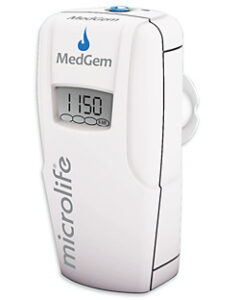 The Microlife BodyGem and MedGem indirect calorimetry devices measure your clients Resting Metabolic Rate, to optimize their weight loss results.
Instead of estimating RMR with the Harris-Benedict or Katch-McArdle formula, the BodyGem and MedGem scientifically measure a clients Metabolic Fingerprint, that is unique to them.
Estimation formulas cannot factor in thyroid issues, the effects of medications, etc.
For the best care, the American Dietetics Association recommends using indirect calorimetry to measure RMR for the most accurate assessment of nutritional needs.
The BodyGem and MedGem are the same type indirect calorimeter. They have the same functionality, accuracy and reliability.
The difference is that the MedGem is a FDA 510K-cleared, class II, medical device, which allows licensed clinicians to make insurance claims on their measurements.
CONTACT US:
Call 720-431-1461 to get your questions answered.
Or complete the CONTACT FORM and we’ll email you or call you.
If you’re ready to order a BodyGem or MedGem System Kit, complete the ORDER FORM and then call us with payment information.
We accept purchase orders from companies that have a net-30 credit account set up with us.
References & Citations
Dr. Peter D’Adamo. Eat Right 4 Your Type: The Individualized Diet Solution to Staying Healthy, Living Longer & Achieving Your Ideal Weight.
– Dr. Mark Hyman. The Blood Sugar Solution: The UltraHealthy Program for Losing Weight, Preventing Disease, and Feeling Great Now!
– Walter Last. The Natural Way to Heal: 65 Ways to Create Superior Health.
– Dr. Robert Lustig. Metabolical: The Truth About Processed Food and How It Poisons People and the Planet.
Source: https://brightlearn.ai