Imagine your body as a finely tuned orchestra, each hormone playing its part in perfect harmony.
Now imagine a group of uninvited guests sneaking onto the stage, grabbing instruments, and playing off-key. That’s what endocrine disruptors do — they throw your metabolic symphony into chaos.
These invisible saboteurs lurk in everyday plastics, household cleaners, and even your favorite shampoo, quietly rewiring your body’s signals to store fat, resist insulin, and slow your metabolism to a crawl. The worst part? Most people don’t even realize they’re being poisoned.
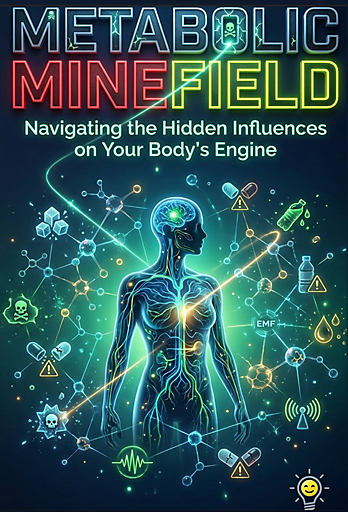
METABOLIC MINEFIELD: Navigating the Hidden Influences on Your Body’s Engine
 Imagine your body is a campfire. To keep it burning bright, you need three types of fuel: carbohydrates, fats, and proteins. Each plays a unique role in how your body creates energy, repairs itself, and stays healthy.
But here’s the catch: the modern food system, heavy metal exposure, personal care products, pharmaceutical drugs, seed oils, microplastics, glyphosate and gluten, are a metabolic minefield as they fill our bodies with toxins and overwhelm our systems with the wrong kinds of fuel, which leaves us metabolically broken.
This book will help you identify things that are negatively influencing your health and develop a plan to minimize toxins in and maximize toxins out, so that your metabolic system can function optimally.
CLICK HERE TO SEE A TABLE OF CONTENTS.
Endocrine disruptors, or EDs, are synthetic chemicals that hijack your hormonal system.
They mimic, block, or interfere with natural hormones like estrogen, testosterone, and thyroid hormones — messengers that regulate everything from your appetite to how your body burns fuel. The most notorious offenders include bisphenol-A (BPA), found in plastic water bottles and canned food linings, and phthalates, which lurk in vinyl flooring, synthetic fragrances, and personal care products.
A 2009 investigation by NaturalNews revealed over 100 neurotoxic chemicals hiding in common household items, many of which act as endocrine disruptors. These aren’t rare contaminants; they’re in the air you breathe, the food you eat, and the products you slather on your skin daily.
So how exactly do these chemicals wreak havoc?
Picture estrogen as a key fitting perfectly into a lock — your cell’s receptor. BPA, a master of deception, shapes itself to fit that same lock, turning it when it shouldn’t. The result? Your body gets false signals to store fat, especially around your abdomen, where metabolic chaos brews.
Phthalates take a different approach: they sabotage testosterone and thyroid hormones, slowing your metabolism and making it harder to build muscle or burn calories. Dr. Robert Lustig, in his book Metabolical: The truth about processed food and how it poisons people and the planet, explains that these disruptors don’t just add pounds — they reprogram your cells to hoard fat as if preparing for a famine that never comes.
The metabolic fallout is staggering.
Studies link BPA exposure to insulin resistance — a precursor to diabetes — where your cells ignore the hormone’s signals to absorb glucose, leaving blood sugar levels dangerously high.
A 2016 analysis published by GreenMedInfo highlighted how BPA alters pancreatic function, pushing the body toward metabolic syndrome, a cluster of conditions that include obesity, high blood pressure, and elevated cholesterol. Phthalates are equally insidious. Research shows they disrupt lipid metabolism, causing your liver to pump out more triglycerides (a type of fat) while impairing your body’s ability to burn them for energy.
The result? A one-two punch of weight gain and increased diabetes risk, even if you’re eating the same calories as someone unaffected.
Let’s zero in on BPA, the poster child for metabolic sabotage.
A study cited in The Blood Sugar Solution by Dr. Mark Hyman found that adults with the highest BPA levels were nearly three times more likely to develop metabolic syndrome than those with low exposure.
In animals, the effects are even more dramatic: rodents exposed to BPA in utero became obese as adults, even on normal diets. Their fat cells multiplied excessively, and their metabolism slowed to a crawl. This isn’t just about weight — it’s about a systemic breakdown.
BPA triggers inflammation, damages mitochondria (your cells’ energy powerhouses), and even alters gut bacteria, which play a critical role in regulating metabolism.
Then there are phthalates, the silent partners in the obesity epidemic.
These chemicals, found in everything from plastic wrap to air fresheners, interfere with PPAR-gamma, a receptor that controls fat storage. When phthalates activate PPAR-gamma, your body starts stockpiling fat like a squirrel preparing for winter — except there’s no winter coming, just a expanding waistline.
Dr. Lustig’s work in Fat Chance: The Hidden Truth About Sugar, Obesity and Disease reveals how phthalates also impair glucose metabolism, making your body less efficient at using carbohydrates for energy. The result? More fat storage, more cravings, and a metabolism that feels like it’s running through molasses.
Here’s where things get even more alarming: EDs don’t just affect you — they affect your future children.
These chemicals cross the placenta, rewiring fetal development to predispose babies to obesity and metabolic disorders later in life. A study mentioned in Metabolical found that pregnant women with high phthalate levels gave birth to children with lower IQs and higher rates of obesity by age 7.
This isn’t genetics; it’s chemical sabotage before birth. The term “obesogens” was coined to describe chemicals like BPA and phthalates that reprogram your body to gain weight, regardless of diet or exercise. They literally change how your fat cells function, making them more likely to store fat and less likely to release it.
So what can you do to fight back? Start by declaring your home an ED-free zone.
Ditch plastic food containers, especially those marked with recycling codes 3 (phthalates) or 7 (BPA). Switch to glass or stainless steel for food storage and water bottles. Read labels like a detective: avoid products with “fragrance” or “parfum,” which often hide phthalates, and choose cosmetics and cleaners labeled phthalate-free.
When it comes to food, go organic whenever possible — pesticides like atrazine are also endocrine disruptors. And don’t fall for “BPA-free” labels; many replacements like BPS are just as harmful. Instead, look for products explicitly labeled “endocrine disruptor-free” or made from inert materials like silicone or lead-free ceramic.
Your body has built-in detox pathways to flush out these toxins, but they need support.
Cruciferous vegetables like broccoli, Brussels sprouts, and kale contain sulforaphane, a compound that boosts liver enzymes to break down EDs. Sweating — through saunas or exercise — helps eliminate stored toxins through your skin.
Dr. Eric Zielinski’s The Essential Oils Diet recommends using essential oils like lemon or grapefruit to stimulate lymphatic drainage, a key route for toxin removal. Stay hydrated with filtered water (reverse osmosis or carbon-block filters remove many EDs), and consider binding agents like chlorella or activated charcoal to help escort toxins out of your system.
Most importantly, trust your body’s wisdom. When you reduce your toxic load, your metabolism doesn’t just improve — it rebounds with a vitality you may have forgotten was possible.
The truth is, you’re not lazy, weak-willed, or destined to struggle with your weight.
You’ve been poisoned by an industry that prioritizes profit over people, filling your world with chemicals that rewire your body against you. But here’s the good news: your metabolism isn’t broken — it’s been hijacked. By cutting off the supply of endocrine disruptors and supporting your body’s natural detox pathways, you can take back control.
This isn’t about deprivation or extreme measures; it’s about reclaiming your health from the invisible forces that have been stacking the deck against you. Your body knows how to heal. Give it the chance, and it will reward you with energy, clarity, and a metabolism that finally works with you, not against you.
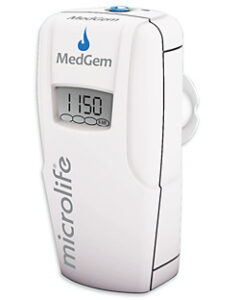 The Microlife BodyGem and MedGem indirect calorimetry devices measure your clients Resting Metabolic Rate, to optimize their weight loss results.
Instead of estimating RMR with the Harris-Benedict or Katch-McArdle formula, the BodyGem and MedGem scientifically measure a clients Metabolic Fingerprint, that is unique to them.
Estimation formulas cannot factor in thyroid issues, the effects of medications, etc.
For the best care, the American Dietetics Association recommends using indirect calorimetry to measure RMR for the most accurate assessment of nutritional needs.
The BodyGem and MedGem are the same type indirect calorimeter. They have the same functionality, accuracy and reliability.
The difference is that the MedGem is a FDA 510K-cleared, class II, medical device, which allows licensed clinicians to make insurance claims on their measurements.
CONTACT US:
Call 720-431-1461 to get your questions answered.
Or complete the CONTACT FORM and we’ll email you or call you.
If you’re ready to order a BodyGem or MedGem System Kit, complete the ORDER FORM and then call us with payment information.
We accept purchase orders from companies that have a net-30 credit account set up with us.
References & Citations
– NaturalNews.com. (May 11, 2009). A Hundred Health Sapping Neurotoxins are Hid. NaturalNews.com.
– Lustig, Dr. Robert. Metabolical: The truth about processed food and how it poisons people and the planet.
– Lustig, Dr. Robert. Fat Chance: The Hidden Truth About Sugar, Obesity and Disease.
– Hyman, Dr. Mark. The Blood Sugar Solution: The UltraHealthy Program for Losing Weight, Preventing Disease.
– Zielinski, Eric. The Essential Oils Diet: Lose Weight and Transform Your Health with the Power of Essential Oils.
Source: https://brightlearn.ai