Imagine walking through a lush, green field — birds singing, bees buzzing, the sun warming your skin.
Now imagine that same field sprayed with chemicals so potent they linger in the soil, the water, even the air. Those chemicals don’t just disappear when the crops are harvested. They end up in your food, your body, and your metabolism.
This isn’t a dystopian fantasy; it’s modern conventional farming. And the pesticides and herbicides used today are wreaking havoc on our health in ways most people never suspect.
METABOLIC MINEFIELD: Navigating the Hidden Influences on Your Body’s Engine
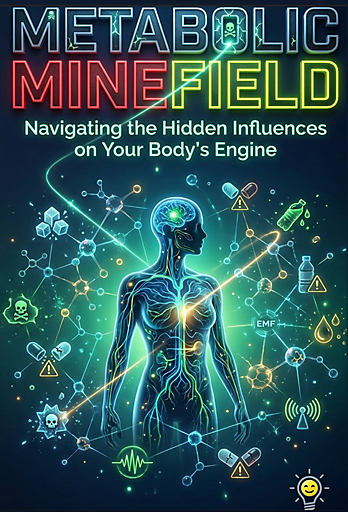 Imagine your body is a campfire. To keep it burning bright, you need three types of fuel: carbohydrates, fats, and proteins. Each plays a unique role in how your body creates energy, repairs itself, and stays healthy.
But here’s the catch: the modern food system, heavy metal exposure, personal care products, pharmaceutical drugs, seed oils, microplastics, glyphosate and gluten, are a metabolic minefield as they fill our bodies with toxins and overwhelm our systems with the wrong kinds of fuel, which leaves us metabolically broken.
This book will help you identify things that are negatively influencing your health and develop a plan to minimize toxins in and maximize toxins out, so that your metabolic system can function optimally.
CLICK HERE TO SEE A TABLE OF CONTENTS.
At the top of the toxic list is glyphosate, the active ingredient in Roundup, the world’s most widely used herbicide.
It’s sprayed on everything from corn and soy to wheat and sugar beets — crops that end up in processed foods, animal feed, and even so-called ‘healthy’ whole grains. Then there’s atrazine, a pesticide so pervasive it’s been detected in rainwater and drinking water across the U.S. These chemicals don’t just kill weeds and pests; they disrupt the delicate balance of your body’s systems.
Studies show glyphosate interferes with critical enzymes in your gut, leading to leaky gut syndrome, where toxins seep into your bloodstream, triggering inflammation and metabolic chaos. It’s like throwing a wrench into the gears of a finely tuned machine — except the machine is your body, and the damage is cumulative.
So how exactly do these chemicals mess with your metabolism?
Let’s start with oxidative stress. Pesticides generate free radicals — unstable molecules that attack your cells like rust eating away at metal. Over time, this damage accelerates aging, weakens your immune system, and disrupts your body’s ability to regulate blood sugar.
Then there’s the gut microbiome, your body’s internal ecosystem of trillions of bacteria that help digest food, produce vitamins, and even regulate your mood. Glyphosate acts like a bomb in this ecosystem, wiping out beneficial bacteria while allowing harmful microbes to thrive.
The result? Poor digestion, nutrient deficiencies, and a metabolism that’s constantly struggling to keep up. And if that weren’t enough, many pesticides are endocrine disruptors, meaning they mimic or block hormones like insulin and thyroid hormones. When these signals get scrambled, your body starts storing fat instead of burning it, your energy crashes, and your risk of diabetes and obesity skyrockets.
Take glyphosate, for example. Research has linked it directly to metabolic syndrome — a cluster of conditions including high blood sugar, excess belly fat, and high cholesterol that set the stage for heart disease and diabetes.
In one study, rats exposed to glyphosate developed insulin resistance within just a few weeks. Their bodies became less efficient at using glucose for energy, so instead of fueling their cells, that sugar got stored as fat. Sound familiar? It’s the same process that’s driving the obesity epidemic in humans.
And it’s not just rats — farmers and agricultural workers, who have the highest exposure to these chemicals, also show alarming rates of metabolic disorders. The writing is on the wall: these toxins aren’t just in our environment; they’re rewiring our biology.
But the damage doesn’t stop at blood sugar. Pesticides also sabotage your mitochondria — the tiny power plants inside your cells that generate energy.
When mitochondria are poisoned by chemicals like glyphosate or chlorpyrifos (another common pesticide), they produce less ATP, the energy currency your body runs on. Imagine trying to run a marathon with a half-empty gas tank — that’s what your cells are up against.
Worse, damaged mitochondria leak electrons, creating even more free radicals and perpetuating a vicious cycle of cellular damage. Over time, this leads to chronic fatigue, brain fog, and a metabolism that feels like it’s stuck in first gear no matter how ‘healthy’ you eat or how much you exercise.
So what can you do to protect yourself? The first step is to cut off the supply.
Switching to organic food isn’t just a trend — it’s a necessity if you want to avoid these metabolic saboteurs. Organic farming prohibits synthetic pesticides and herbicides, so choosing organic produce, grains, and meats drastically reduces your exposure. Can’t afford to go fully organic? Prioritize the ‘Dirty Dozen’ — the fruits and vegetables with the highest pesticide residues, like strawberries, spinach, and apples.
Washing your produce with a mixture of water and baking soda can also help remove some surface residues, though it won’t eliminate chemicals that have been absorbed into the plant. And don’t forget about meat and dairy — animals raised on conventional feed are eating those same pesticides, which then concentrate in their fat and end up on your plate.
Beyond diet, supporting your body’s natural detox pathways is key.
Your liver, kidneys, and skin work around the clock to filter out toxins, but they can get overwhelmed in today’s chemical-saturated world. Foods like cruciferous vegetables (broccoli, kale, Brussels sprouts), garlic, and turmeric boost liver enzymes that break down pesticides.
Sweating — whether through exercise or infrared saunas — helps eliminate toxins through your skin. And staying hydrated flushes out residues through your kidneys. Even simple habits like dry brushing or drinking lemon water in the morning can give your detox systems a much-needed assist. Think of it as giving your body the tools it needs to clean house after years of chemical buildup.
For those ready to take control of their food supply, growing your own is the ultimate act of rebellion against this toxic system.
You don’t need acres of land — a few pots on a balcony or a small raised bed in your backyard can yield a surprising amount of fresh, pesticide-free produce. Start with easy-to-grow crops like lettuce, herbs, and tomatoes. Use organic seeds and soil, and avoid synthetic fertilizers, which often contain hidden chemicals.
Composting kitchen scraps not only reduces waste but also creates nutrient-rich soil that helps plants resist pests naturally. And if pests do become an issue, opt for natural solutions like neem oil or companion planting — methods that have worked for centuries without poisoning the earth or our bodies. Every bite of food you grow yourself is a vote for health, freedom, and independence from a broken industrial food system.
The truth is, we’ve been sold a lie. Conventional farming isn’t just about feeding the world — it’s about feeding the profits of chemical companies that have infiltrated our food supply, our regulatory agencies, and even our medical system.
The same institutions that tell us pesticides are ‘safe in small doses’ are the ones profiting from the chronic diseases those chemicals create. But you don’t have to be a victim.
By choosing organic, supporting local farmers, growing your own food, and detoxifying your body, you’re not just protecting your metabolism — you’re reclaiming your health, your sovereignty, and your connection to the natural world. The power to heal starts with the choices you make every day. And in a world that’s been poisoned for profit, those choices matter more than ever.
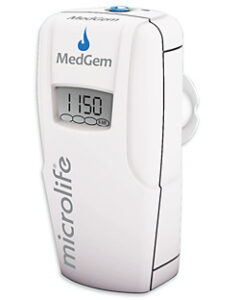 The Microlife BodyGem and MedGem indirect calorimetry devices measure your clients Resting Metabolic Rate, to optimize their weight loss results.
Instead of estimating RMR with the Harris-Benedict or Katch-McArdle formula, the BodyGem and MedGem scientifically measure a clients Metabolic Fingerprint, that is unique to them.
Estimation formulas cannot factor in thyroid issues, the effects of medications, etc.
For the best care, the American Dietetics Association recommends using indirect calorimetry to measure RMR for the most accurate assessment of nutritional needs.
The BodyGem and MedGem are the same type indirect calorimeter. They have the same functionality, accuracy and reliability.
The difference is that the MedGem is a FDA 510K-cleared, class II, medical device, which allows licensed clinicians to make insurance claims on their measurements.
CONTACT US:
Call 720-431-1461 to get your questions answered.
Or complete the CONTACT FORM and we’ll email you or call you.
If you’re ready to order a BodyGem or MedGem System Kit, complete the ORDER FORM and then call us with payment information.
We accept purchase orders from companies that have a net-30 credit account set up with us.
References & Citations
– Last, Walter. The Natural Way to Heal: 65 Ways to Create Superior Health.
– GreenMedInfo.com. The Invisible Nuclear Threat Within Non-Organic Food.
– Hyman, Dr Mark. The Blood Sugar Solution: The UltraHealthy Program for Losing Weight, Preventing Disease.
– NaturalNews.com. A Hundred Health-Sapping Neurotoxins Are Hid.
– Lustig, Dr Robert. Metabolical: The Truth About Processed Food and How It Poisons People and the Planet.
Source: https://brightlearn.ai