You’ve probably heard the warnings — heavy metals like lead, mercury, arsenic, and cadmium lurk in our food, water, and even the air we breathe.
But here’s the truth: you don’t have to live in fear. With the right knowledge and tools, you can test for these toxins, remove them from your home, and reclaim your health — all without relying on the broken systems that got us into this mess in the first place.
The key is taking control, trusting your instincts, and using nature’s wisdom to detoxify your life.
METABOLIC MINEFIELD: Navigating the Hidden Influences on Your Body’s Engine
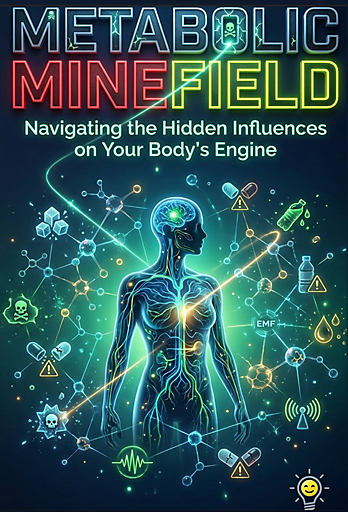 Imagine your body is a campfire. To keep it burning bright, you need three types of fuel: carbohydrates, fats, and proteins. Each plays a unique role in how your body creates energy, repairs itself, and stays healthy.
But here’s the catch: the modern food system, heavy metal exposure, personal care products, pharmaceutical drugs, seed oils, microplastics, glyphosate and gluten, are a metabolic minefield as they fill our bodies with toxins and overwhelm our systems with the wrong kinds of fuel, which leaves us metabolically broken.
This book will help you identify things that are negatively influencing your health and develop a plan to minimize toxins in and maximize toxins out, so that your metabolic system can function optimally.
CLICK HERE TO SEE A TABLE OF CONTENTS.
So how do you even know if heavy metals are a problem for you?
Testing is the first step, but not all tests are created equal. Hair mineral analysis is a popular starting point because it’s non-invasive and can reveal long-term exposure to metals like lead and mercury. The catch? It doesn’t show what’s currently circulating in your bloodstream — just what’s been stored in your tissues over months or years.
Urine tests, especially provoked ones (where you take a chelating agent like DMSA before testing), can give a clearer picture of your body’s current toxic load. Blood tests are best for acute exposure — think a recent mercury filling or a one-time lead contamination — but they miss the metals hiding in your bones or organs.
The system wants you to believe only a doctor can interpret these tests, but the truth is, you can learn to read the basics yourself. Look for levels above the Environmental Protection Agency’s (EPA) reference ranges, but remember: even ‘normal’ ranges might not be safe. Your body wasn’t designed to handle industrial toxins, so aim for as close to zero as possible.
Once you’ve got your results, the next step is playing detective in your own home.
Heavy metals don’t just appear out of thin air — they come from somewhere. Old paint (especially pre-1978) is a classic lead source, flaking into dust that settles on floors and windowsills.
If you’ve got mercury fillings, every bite and grind releases vapor straight into your lungs. Aluminum hides in antiperspirants, cookware, and even some baking powders. And let’s not forget arsenic, which can leach into your drinking water from old pipes or pesticide runoff.
The key is to trace the path: high lead in your test? Check your water, your paint, and even your ceramic dishes (some glazes contain lead). Elevated mercury? Look at your fish consumption, dental work, and even broken thermometers or fluorescent bulbs. Your home is either a sanctuary or a slow poison — it’s up to you to decide which.
Air quality is one of the most overlooked sources of heavy metal exposure, yet it’s one of the easiest to fix.
Lead dust from old paint, mercury vapor from broken CFL bulbs, and even cadmium from cigarette smoke (or your neighbor’s) can float around invisibly, settling into your lungs with every breath. The solution? Start with a high-quality HEPA air purifier — one with activated carbon to trap chemical vapors.
But don’t stop there. Test your air with a simple home kit (available from independent labs like Doctor’s Data or Great Plains Laboratory) to see what’s lurking. If you’ve got old paint, seal it with a non-toxic encapsulant or — better yet — hire a professional to remove it safely.
And if you’re still using compact fluorescent bulbs, switch to LEDs immediately. Mercury vapor doesn’t just disappear when the bulb breaks; it lingers for weeks, poisoning your air. Your lungs are a gateway to your bloodstream — guard them fiercely.
Water is another silent carrier of heavy metals, and municipal treatment plants won’t save you.
Lead pipes, arsenic from agricultural runoff, and even aluminum added as a ‘coagulant’ in water treatment can turn your tap water into a toxic cocktail. The fix? A reverse osmosis (RO) system is your best bet — it removes up to 99% of heavy metals, along with fluoride (another neurotoxin masquerading as a dental benefit).
If RO isn’t an option, a high-quality activated carbon filter can help, though it won’t catch everything. And don’t forget: if you’re using well water, test it annually for arsenic, lead, and other contaminants. The EPA’s ‘safe’ limits are often too lenient, so aim for undetectable levels. Your body is over 60% water — make sure what you’re drinking isn’t slowly poisoning you.
Now, let’s talk about the everyday products bringing heavy metals into your home.
Non-stick cookware? It’s coated with perfluorooctanoic acid (PFOA), a chemical that releases toxic fumes when heated — and often contains aluminum or other metals underneath. Switch to cast iron, stainless steel, or ceramic.
Cosmetics? Many lipsticks, eyeshadows, and even ‘natural’ mineral makeups contain lead, cadmium, or aluminum. Check the Environmental Working Group’s (EWG) database for safer alternatives.
Cleaning products? Some abrasive cleaners contain silica or other metal particles that can linger on surfaces. Even your laundry detergent might be hiding heavy metals in its ‘brightening agents.’
The rule is simple: if you wouldn’t eat it, don’t bring it into your home. Your skin is your largest organ — don’t let it absorb what your liver has to fight.
Detoxing from heavy metals isn’t just about avoiding exposure — it’s about actively pulling them out of your body.
But here’s where the mainstream gets it wrong: chelation therapy, when done improperly, can redistribute metals into your brain or kidneys, causing more harm than good. That’s why you need a trusted natural health practitioner to guide you, someone who understands the power of binders like chlorella, cilantro, and modified citrus pectin.
These natural chelators gently escort metals out of your tissues without the dangerous side effects of synthetic drugs. Sweating — whether through saunas or exercise — is another powerful tool, as many heavy metals exit through your skin. And don’t underestimate the power of a mineral-rich diet: zinc, selenium, and magnesium help displace toxic metals from your cells. Your body was designed to heal — give it the right tools, and it will.
Creating a low-toxin home isn’t about perfection — it’s about progress.
Start with the big wins: filter your water, purify your air, and swap out your cookware. Then move to the smaller changes: non-toxic cleaning products, organic cotton bedding (conventional cotton is often treated with heavy metal-based pesticides), and natural fiber clothing.
Even your furniture matters — some foam cushions and mattresses are treated with fire retardants containing antimony or other metals. Choose wool, organic latex, or untreated cotton instead. And if you’re renovating, opt for natural materials like solid wood, bamboo, or cork flooring over synthetic carpets or laminates that can off-gas toxins. Every change you make is a step toward a home that nourishes your health instead of undermining it.
If this feels overwhelming, remember: you don’t have to do it alone.
Independent labs like Doctor’s Data, Great Plains Laboratory, and Quicksilver Scientific offer testing kits you can use at home, without a doctor’s order. Online communities like the Natural News Network or the Weston A. Price Foundation provide forums where you can share experiences and learn from others who’ve walked this path.
And if you’re dealing with severe toxicity, seek out a functional medicine doctor or naturopath who understands natural detox protocols — not someone who’ll just push pharmaceuticals. The system wants you to believe you’re powerless, but the truth is, you have more control over your health than you’ve been led to believe.
Start small, stay consistent, and trust that every step you take is a victory against the toxins trying to steal your vitality.
The bottom line? Heavy metals are a real threat, but they’re not an unstoppable one.
By testing wisely, reducing exposure, and supporting your body’s natural detox pathways, you can create a home — and a life — that’s truly safe. This isn’t about fear; it’s about freedom. The freedom to breathe clean air, drink pure water, and live in a space that supports your health instead of sabotaging it. And that’s a freedom no government, corporation, or broken healthcare system can take away from you.
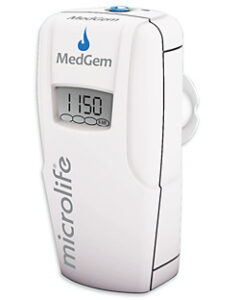 The Microlife BodyGem and MedGem indirect calorimetry devices measure your clients Resting Metabolic Rate, to optimize their weight loss results.
Instead of estimating RMR with the Harris-Benedict or Katch-McArdle formula, the BodyGem and MedGem scientifically measure a clients Metabolic Fingerprint, that is unique to them.
Estimation formulas cannot factor in thyroid issues, the effects of medications, etc.
For the best care, the American Dietetics Association recommends using indirect calorimetry to measure RMR for the most accurate assessment of nutritional needs.
The BodyGem and MedGem are the same type indirect calorimeter. They have the same functionality, accuracy and reliability.
The difference is that the MedGem is a FDA 510K-cleared, class II, medical device, which allows licensed clinicians to make insurance claims on their measurements.
CONTACT US:
Call 720-431-1461 to get your questions answered.
Or complete the CONTACT FORM and we’ll email you or call you.
If you’re ready to order a BodyGem or MedGem System Kit, complete the ORDER FORM and then call us with payment information.
We accept purchase orders from companies that have a net-30 credit account set up with us.
References & Citations
Source: https://brightlearn.ai