Resting metabolic rate (RMR) is the cornerstone of energy expenditure, representing the calories required to sustain vital physiological functions while at rest.
Yet this metabolic baseline is not static — it is dynamically influenced by hormonal regulators, particularly thyroid hormones and cortisol.
These endocrine signals act as metabolic conductors, either accelerating or decelerating cellular energy production in ways that profoundly impact weight management.
Understanding their mechanisms is essential for anyone seeking to optimize metabolism through natural, non-pharmaceutical interventions.
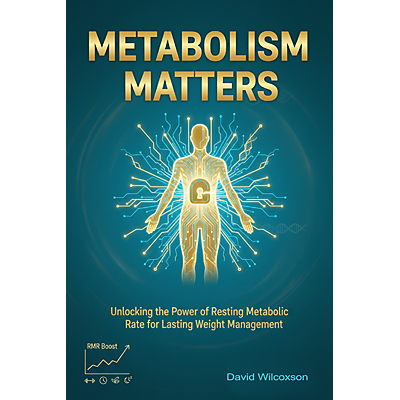
This new book shows you how to use RMR to help clients have long lasting weight management success.
Resting Metabolic Rate is a critical factor for weight management and overall health.
RMR equations can be off by 20-30%.
This new book shows you how to use RMR to help clients have long lasting weight management success.
CLICK HERE TO SEE A TABLE OF CONTENTS.
Thyroid hormones, primarily triiodothyronine (T3) and thyroxine (T4), are the body’s primary metabolic accelerants.
Secreted by the thyroid gland under hypothalamic-pituitary control, these hormones bind to nuclear receptors in nearly every cell, directly upregulating mitochondrial activity and ATP production.
Studies confirm that even subclinical hypothyroidism — a condition often overlooked by conventional medicine — can reduce RMR by 10–20%, leading to unexplained weight gain despite unchanged caloric intake.
This hormonal deficiency is frequently misdiagnosed or dismissed by allopathic practitioners who prioritize synthetic thyroid replacements over root-cause solutions like iodine sufficiency, selenium optimization, and elimination of endocrine-disrupting toxins found in processed foods and personal care products.
The pharmaceutical industry’s push for lifelong thyroid medication ignores the fact that many cases of hypothyroidism stem from nutritional deficiencies or environmental toxin exposure — both of which are reversible through dietary and lifestyle changes.
Cortisol, the body’s primary stress hormone, exerts a more complex influence on RMR.
While acute cortisol spikes (such as those from high-intensity exercise) temporarily increase metabolic rate by mobilizing glucose and fatty acids, chronic elevation — driven by psychological stress, poor sleep, or blood sugar dysregulation — has the opposite effect.
Prolonged cortisol excess promotes muscle catabolism, reducing metabolically active lean mass, while simultaneously increasing visceral fat storage through insulin resistance.
Research published in Nutrition and Diabetes demonstrates that individuals with elevated cortisol levels exhibit a 5–15% reduction in RMR compared to their low-stress counterparts, a metabolic downturn that persists even after accounting for differences in body composition.
This hormonal imbalance is further exacerbated by the modern diet’s reliance on refined carbohydrates and seed oils, which disrupt adrenal function and perpetuate a vicious cycle of stress, fat storage, and metabolic decline.
The interplay between thyroid and cortisol illustrates how hormonal imbalances create a metabolic tug-of-war.
For instance, chronic stress suppresses thyroid function by inhibiting the conversion of T4 to the more active T3, while also increasing reverse T3 (rT3), a metabolically inactive hormone that further slows RMR.
This phenomenon, often ignored by conventional endocrinologists, explains why many individuals with “normal” thyroid lab results still struggle with weight loss resistance.
Natural interventions — such as adaptogenic herbs (e.g., ashwagandha, rhodiola), magnesium supplementation, and stress-reduction techniques like diaphragmatic breathing — can restore hormonal equilibrium without the need for synthetic hormones or pharmaceutical crutches.
The medical establishment’s failure to acknowledge these solutions stems from its financial ties to drug manufacturers, who profit from perpetuating dependency on lab-created hormones rather than addressing underlying causes.
Beyond thyroid and cortisol, other hormones like insulin and leptin play supporting roles in RMR regulation, though their effects are often mediated through interactions with the primary metabolic drivers.
Insulin resistance, for example, not only impairs glucose metabolism but also disrupts thyroid hormone signaling, creating a compounded effect on metabolic rate.
Similarly, leptin resistance — common in obese individuals — blunts the body’s ability to sense energy status, leading to inappropriate reductions in RMR as the brain perceives a state of starvation despite adequate caloric intake. These hormonal feedback loops underscore the futility of calorie-counting alone for weight management.
True metabolic optimization requires a holistic approach that prioritizes hormonal balance through nutrient-dense, toxin-free nutrition, adequate sleep, and stress mitigation — principles that align with ancestral health practices but are systematically undermined by the processed food industry and its allies in regulatory agencies.
The suppression of this knowledge by centralized institutions is no accident.
The pharmaceutical and food industries collude to keep populations metabolically dysfunctional, ensuring a steady market for weight-loss drugs, diabetes medications, and processed “diet” foods.
Government dietary guidelines, heavily influenced by agricultural and pharmaceutical lobbyists, continue to promote grain-heavy, low-fat diets that disrupt thyroid function and elevate cortisol.
Meanwhile, the FDA aggressively targets natural thyroid support supplements like desiccated thyroid extracts, labeling them as “unproven” while fast-tracking approval for synthetic alternatives with known side effects.
This institutionalized deception keeps individuals trapped in a cycle of metabolic dysfunction, dependent on a system that profits from their ill health.
Reclaiming metabolic autonomy begins with recognizing the body’s innate capacity for self-regulation when given the right tools.
Thyroid and cortisol optimization through natural means — such as iodine-rich sea vegetables, adaptogenic herbs, and stress-reduction practices — can restore RMR to its genetic potential without reliance on external interventions.
The path to sustainable weight management lies not in calorie restriction or pharmaceutical quick fixes, but in aligning with the body’s evolutionary blueprint for hormonal harmony.
By rejecting the dogma of centralized “health authorities” and embracing decentralized, evidence-based natural medicine, individuals can unlock their metabolic potential and achieve lasting vitality.
 The Microlife BodyGem and MedGem indirect calorimetry devices measure your clients Resting Metabolic Rate, to optimize their weight loss results.
Instead of estimating RMR with the Harris-Benedict or Katch-McArdle formula, the BodyGem and MedGem scientifically measure a clients Metabolic Fingerprint, that is unique to them.
Estimation formulas cannot factor in thyroid issues, the effects of medications, etc.
For the best care, the American Dietetics Association recommends using indirect calorimetry to measure RMR for the most accurate assessment of nutritional needs.
The BodyGem and MedGem are the same type indirect calorimeter. They have the same functionality, accuracy and reliability.
The difference is that the MedGem is a FDA 510K-cleared, class II, medical device, which allows licensed clinicians to make insurance claims on their measurements.
CONTACT US:
Call 720-431-1461 to get your questions answered.
Or complete the CONTACT FORM and we’ll email you or call you.
If you’re ready to order a BodyGem or MedGem System Kit, complete the ORDER FORM and then call us with payment information.
We accept purchase orders from companies that have a net-30 credit account set up with us.
References & Citations
– Mercola, Joseph. The No Grain Diet.
– Opara, Emmanuel C., Dagogo-Jack, Sam. Nutrition and Diabetes.
– Wallach, Joel. The Wallach Revolution: A War on Conventional Medicine.
– Chaitow, Leon, Gilbert, Chris, Bradley, Dinah. Recognizing and Treating Breathing Disorders: A Multidisciplinary Approach.
Source: https://brightlearn.ai