Picture this: a golden field of wheat swaying in the breeze, the very symbol of nourishment for millennia. But what if that same wheat — the kind lining grocery store shelves today — is quietly sabotaging your metabolism, stoking inflammation like a hidden fire?
The truth is, modern wheat isn’t the same as the grain our ancestors ground into bread. It’s been altered, sprayed, and stripped of its original integrity, leaving behind a product that’s more likely to trigger immune reactions, disrupt gut health, and slow your body’s engine to a crawl.
METABOLIC MINEFIELD: Navigating the Hidden Influences on Your Body’s Engine
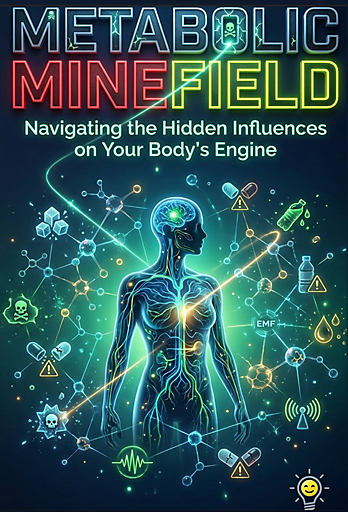 Imagine your body is a campfire. To keep it burning bright, you need three types of fuel: carbohydrates, fats, and proteins. Each plays a unique role in how your body creates energy, repairs itself, and stays healthy.
But here’s the catch: the modern food system, heavy metal exposure, personal care products, pharmaceutical drugs, seed oils, microplastics, glyphosate and gluten, are a metabolic minefield as they fill our bodies with toxins and overwhelm our systems with the wrong kinds of fuel, which leaves us metabolically broken.
This book will help you identify things that are negatively influencing your health and develop a plan to minimize toxins in and maximize toxins out, so that your metabolic system can function optimally.
CLICK HERE TO SEE A TABLE OF CONTENTS.
At the heart of the problem is gluten, a sticky protein composite made of two key parts: gliadin and glutenin.
Gliadin gives dough its stretchiness, while glutenin provides structure. But here’s the catch — modern wheat hybrids, bred for high yields and pest resistance, contain far more gluten than ancient grains like einkorn or emmer.
In fact, today’s wheat packs nearly 50% more gluten than it did just a century ago, thanks to aggressive agricultural practices. This isn’t just a minor tweak; it’s a metabolic game-changer. When you eat these high-gluten varieties, your body has to work harder to break them down, and for many people, that process doesn’t go smoothly.
Digestion should be a clean, efficient process, but gluten often throws a wrench in the works.
When gliadin — the troublesome fraction of gluten — reaches your small intestine, it resists complete breakdown, leaving behind undigested peptides like gliadorphin. These fragments can slip through the gut lining, especially if it’s already compromised, and trigger an immune response. Your body mistakes them for invaders, sounding the alarm and releasing inflammatory signals.
Over time, this chronic low-grade inflammation doesn’t just stay in your gut — it spreads, disrupting insulin signaling, slowing metabolism, and even contributing to autoimmune flare-ups. It’s like having a silent burglar alarm going off in your body, draining your energy and confusing your cells.
One of the most damaging effects of gluten is its ability to pry open the tight junctions in your gut lining, a condition often called ‘leaky gut.’
The culprit? A protein called zonulin, which gluten directly stimulates. When zonulin levels rise, the gates between your intestinal cells swing open, allowing not just gluten fragments but also bacteria, toxins, and undigested food particles to flood into your bloodstream. This isn’t just an digestive issue — it’s a system-wide crisis.
Studies have linked this increased permeability to metabolic endotoxemia, a state where bacterial toxins circulate in your blood, triggering inflammation in your liver, muscles, and fat cells. The result? Insulin resistance, weight gain, and a metabolism that feels like it’s running on fumes.
But the story gets even darker when you consider how modern wheat is grown.
Most conventional wheat fields are doused with glyphosate — a toxic herbicide — just days before harvest in a practice called desiccation. This kills the plant uniformly, making harvesting easier, but it leaves behind residues that end up in your bread, pasta, and cereal. Glyphosate isn’t just a weed killer; it’s a gut disruptor, too.
Research shows it damages the beneficial bacteria in your microbiome, the very organisms that help regulate your metabolism and immune system. When those bacteria are wiped out, inflammation spikes, and your body’s ability to process food efficiently plummets. It’s no coincidence that the rise of glyphosate use parallels the explosion of metabolic disorders like obesity and diabetes.
Now, let’s talk about the difference between celiac disease and non-celiac gluten sensitivity, because both can wreak havoc on your metabolism — just in slightly different ways.
Celiac disease is an autoimmune condition where gluten triggers a full-blown attack on the small intestine, flattening the villi that absorb nutrients. The result? Chronic malnutrition, no matter how much you eat, along with skyrocketing inflammation that can lead to insulin resistance.
But here’s the kicker: you don’t need a celiac diagnosis to suffer. Non-celiac gluten sensitivity (NCGS) affects far more people, causing many of the same symptoms — bloating, fatigue, brain fog, and yes, metabolic slowdown — without the dramatic intestinal damage. In both cases, the end result is a body that struggles to burn fuel efficiently, storing fat instead of using it for energy.
Gluten’s reach extends even further when you consider its role in autoimmunity.
For those with Hashimoto’s thyroiditis, gluten can be a silent saboteur. The molecular structure of gliadin closely resembles that of thyroid tissue, leading to a case of mistaken identity where your immune system attacks both.
When your thyroid — your body’s metabolic thermostat — takes a hit, everything slows down. You feel cold, tired, and sluggish, and no amount of coffee or willpower can rev up your engine. This isn’t just bad luck; it’s a direct consequence of a food supply that’s been manipulated beyond recognition.
So, what’s the alternative?
Ancient grains like einkorn, emmer, and spelt offer a glimpse of what wheat used to be — lower in gluten, higher in nutrients, and far gentler on the body. These grains haven’t been hybridized into metabolic landmines. They contain more vitamins, minerals, and antioxidants, and their gluten structure is less likely to trigger the same inflammatory cascade.
Switching to these heritage varieties — or eliminating gluten altogether — can be a game-changer for your metabolism. It’s not about deprivation; it’s about reclaiming the foods that actually nourish you, rather than the ones that silently drain your vitality.
The bottom line? Modern wheat and its gluten-heavy, chemical-laden profile is a far cry from the staff of life it once was.
It’s a metabolic disruptor, an inflammatory spark, and a silent thief of energy. But you don’t have to be a victim of this system. By understanding the hidden costs of conventional wheat and choosing alternatives that honor your body’s design, you can take back control of your metabolism — and your health. After all, food should fuel you, not fight against you.
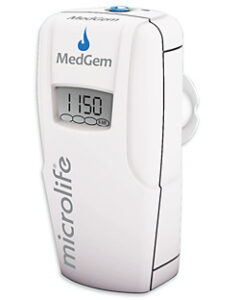 The Microlife BodyGem and MedGem indirect calorimetry devices measure your clients Resting Metabolic Rate, to optimize their weight loss results.
Instead of estimating RMR with the Harris-Benedict or Katch-McArdle formula, the BodyGem and MedGem scientifically measure a clients Metabolic Fingerprint, that is unique to them.
Estimation formulas cannot factor in thyroid issues, the effects of medications, etc.
For the best care, the American Dietetics Association recommends using indirect calorimetry to measure RMR for the most accurate assessment of nutritional needs.
The BodyGem and MedGem are the same type indirect calorimeter. They have the same functionality, accuracy and reliability.
The difference is that the MedGem is a FDA 510K-cleared, class II, medical device, which allows licensed clinicians to make insurance claims on their measurements.
CONTACT US:
Call 720-431-1461 to get your questions answered.
Or complete the CONTACT FORM and we’ll email you or call you.
If you’re ready to order a BodyGem or MedGem System Kit, complete the ORDER FORM and then call us with payment information.
We accept purchase orders from companies that have a net-30 credit account set up with us.
References & Citations
– Last, Walter. The Natural Way to Heal: 65 Ways to Create Superior Health
– Lustig, Dr Robert. Metabolical: The truth about processed food and how it poisons people and the planet
– Adams, Mike. Brighteon Broadcast News – HEALTH FREEDOM HISTORY – Mike Adams – Brighteon.com, September 12, 2024
– GreenMedInfo.com. The Invisible Nuclear Threat Within Non Organic Food
– NaturalNews.com. Protect yourself from the ravages of the Food – NaturalNews.com, February 28, 2011
Source: https://brightlearn.ai