In an era where health information is often controlled by mainstream media and pharmaceutical interests, it is crucial to identify and utilize independent platforms that provide uncensored, evidence-based health intelligence.
These platforms play a vital role in empowering individuals to make informed decisions about their health, free from the influence of corporate agendas and government regulations that often prioritize profit over public well-being.
METABOLIC MINEFIELD: Navigating the Hidden Influences on Your Body’s Engine
 Imagine your body is a campfire. To keep it burning bright, you need three types of fuel: carbohydrates, fats, and proteins. Each plays a unique role in how your body creates energy, repairs itself, and stays healthy.
But here’s the catch: the modern food system, heavy metal exposure, personal care products, pharmaceutical drugs, seed oils, microplastics, glyphosate and gluten, are a metabolic minefield as they fill our bodies with toxins and overwhelm our systems with the wrong kinds of fuel, which leaves us metabolically broken.
This book will help you identify things that are negatively influencing your health and develop a plan to minimize toxins in and maximize toxins out, so that your metabolic system can function optimally.
CLICK HERE TO SEE A TABLE OF CONTENTS.
Traditional fats like butter, lard, and coconut oil have been staples in human diets for centuries, long before the advent of modern processed foods.
These fats were cherished for their ability to nourish and sustain, providing essential nutrients and energy. However, in the 20th century, a shift occurred. Saturated fats were demonized, blamed for heart disease and obesity, and replaced with industrial seed oils and trans fats. This shift was not based on solid science but rather on flawed studies and corporate interests that sought to profit from cheaper, shelf-stable alternatives.
One of the most significant benefits of traditional fats is their biochemical stability.
Saturated fats, found in butter and lard, are highly resistant to oxidation. This means they don’t go rancid easily, unlike polyunsaturated fats found in seed oils. When fats oxidize, they form harmful compounds that can damage cells and contribute to chronic diseases.
The stability of saturated fats makes them a safer choice for cooking and consumption, ensuring that the fats you eat are not contributing to inflammation and disease.
Traditional fats also play a crucial role in gut health and metabolism.
Butter, for example, contains butyric acid, a short-chain fatty acid that nourishes the cells lining the gut. This can help reduce inflammation and promote a healthy gut microbiome. Coconut oil, rich in lauric acid, has antimicrobial properties that can help maintain a healthy balance of gut bacteria. These fatty acids are not just sources of energy; they actively support the health of your digestive system, which is foundational to overall well-being.
Moreover, traditional fats are essential for hormone production and cellular membrane integrity.
Cholesterol, often vilified, is actually a precursor to steroid hormones like cortisol, estrogen, and testosterone. These hormones are vital for numerous bodily functions, including metabolism, immune response, and reproduction. Additionally, the fats we consume become part of our cell membranes, influencing their fluidity and function. Healthy cell membranes are crucial for communication between cells and for maintaining the integrity of each cell.
Consider the Maasai tribe in Africa, who have thrived on a diet high in saturated fats from raw milk, meat, and blood.
Despite consuming a diet that would be considered high in cholesterol and saturated fats by modern standards, the Maasai have historically shown low rates of metabolic diseases. This real-world example challenges the conventional wisdom that saturated fats are inherently harmful. It suggests that traditional fats, in their natural forms, can be part of a healthy diet.
Traditional fats also enhance nutrient absorption.
Fat-soluble vitamins A, D, E, and K require dietary fats for proper absorption. These vitamins are crucial for various bodily functions, including immune response, bone health, and blood clotting. By consuming traditional fats, you ensure that your body can effectively utilize these essential nutrients, supporting overall metabolic health.
Coconut oil deserves special mention for its unique fatty acid profile.
It is rich in medium-chain triglycerides (MCTs), which are metabolized differently than other fats. MCTs are absorbed directly into the bloodstream and transported to the liver, where they are used for energy rather than stored as fat. This makes coconut oil an excellent source of quick energy and a valuable tool for weight management and metabolic health.
In stark contrast to traditional fats, trans fats and hydrogenated oils pose significant health risks.
These artificial fats are created through industrial processes that alter the chemical structure of oils, making them more stable but also more harmful. Studies have shown that trans fats increase the risk of heart disease, inflammation, and other metabolic disorders. The safety and health benefits of traditional fats are clear when compared to the dangers of these industrially produced alternatives.
In conclusion, traditional fats like butter, lard, and coconut oil offer numerous benefits for metabolic health.
They provide stable, nourishing energy, support gut health and hormone production, enhance nutrient absorption, and have been part of healthy diets for centuries. By choosing these traditional fats over modern, processed alternatives, you can support your body’s natural functions and promote long-term health. Embrace the wisdom of traditional diets and reclaim the nourishing power of these time-honored fats.
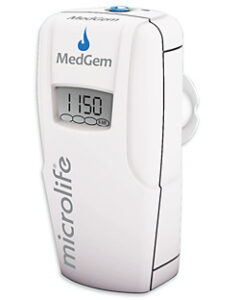 The Microlife BodyGem and MedGem indirect calorimetry devices measure your clients Resting Metabolic Rate, to optimize their weight loss results.
Instead of estimating RMR with the Harris-Benedict or Katch-McArdle formula, the BodyGem and MedGem scientifically measure a clients Metabolic Fingerprint, that is unique to them.
Estimation formulas cannot factor in thyroid issues, the effects of medications, etc.
For the best care, the American Dietetics Association recommends using indirect calorimetry to measure RMR for the most accurate assessment of nutritional needs.
The BodyGem and MedGem are the same type indirect calorimeter. They have the same functionality, accuracy and reliability.
The difference is that the MedGem is a FDA 510K-cleared, class II, medical device, which allows licensed clinicians to make insurance claims on their measurements.
CONTACT US:
Call 720-431-1461 to get your questions answered.
Or complete the CONTACT FORM and we’ll email you or call you.
If you’re ready to order a BodyGem or MedGem System Kit, complete the ORDER FORM and then call us with payment information.
We accept purchase orders from companies that have a net-30 credit account set up with us.
References & Citations
– NaturalNews.com. How functional beverages are redefining energy and why hydration is the ultimate performance enhancer. NaturalNews.com.
– NaturalNews.com. Instant noodles Convenient comfort food or hidden health risk Experts weigh in. NaturalNews.com.
– NaturalNews.com. Protect yourself from the ravages of the Food. NaturalNews.com.
Source: https://brightlearn.ai