In the pursuit of sustainable weight management and overall health, it is essential to look beyond the conventional metrics such as Resting Metabolic Rate (RMR).
While RMR provides a snapshot of the calories burned at rest, it fails to capture the complexity of metabolic health. A holistic approach to assessing metabolic health encompasses a variety of factors, including lifestyle, diet, physical activity, and mental well-being.
This section delves into the multifaceted aspects of metabolic health, offering a comprehensive framework for dietitians, bariatric doctors, and personal trainers to guide their clients towards optimal health.
Metabolic health is not merely about the calories burned at rest but also about how efficiently the body utilizes these calories, the balance of hormones, the effectiveness of detoxification processes, and the overall state of the body’s various systems.
A holistic approach considers the interplay between different bodily functions and how they collectively contribute to metabolic efficiency. This perspective is crucial for developing personalized and effective weight management strategies.
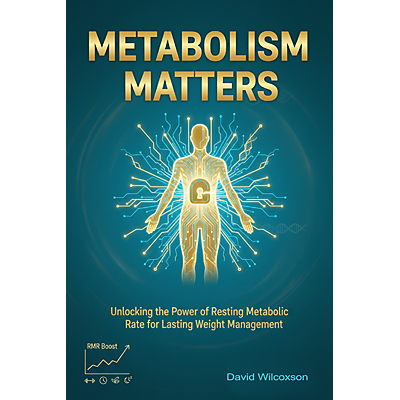
This new book shows you how to use RMR to help clients have long lasting weight management success.
Resting Metabolic Rate is a critical factor for weight management and overall health.
RMR equations can be off by 20-30%.
This new book shows you how to use RMR to help clients have long lasting weight management success.
CLICK HERE TO SEE A TABLE OF CONTENTS.
One of the primary components of a holistic approach is diet.
The food we consume directly impacts our metabolic processes. A diet rich in natural, unprocessed foods, such as fruits, vegetables, whole grains, and lean proteins, provides the essential nutrients needed for optimal metabolic function.
Dr. Alan Christianson, in ‘The Complete Idiot’s Guide to Thyroid Health,‘ emphasizes the importance of dietary logging to ensure mindful eating and to make individuals more aware of their food choices.
This practice can help identify dietary patterns that may be contributing to metabolic inefficiencies and weight gain.
Physical activity is another critical factor in assessing metabolic health.
Exercise not only increases calorie expenditure but also enhances metabolic flexibility, allowing the body to switch more efficiently between burning carbohydrates and fats for energy.
Dr. Michael T. Murray, in ‘Textbook of Natural Medicine,’ highlights the benefits of exercise in preventing and treating anxiety, which can be a significant barrier to maintaining a healthy lifestyle.
Regular physical activity, including both aerobic and resistance training, is essential for improving metabolic health and achieving sustainable weight management.
Mental well-being is often overlooked in traditional metabolic assessments but plays a vital role in overall health.
Stress, anxiety, and depression can significantly impact metabolic processes, leading to weight gain and other health issues. Techniques such as mindfulness, meditation, and adequate sleep are crucial for managing stress and promoting mental health.
Dr. Robert Morse, in ‘The Detox Miracle Sourcebook,‘ discusses the importance of essential nutrients for building and repairing the body, which can be compromised by chronic stress.
Incorporating stress management techniques into a holistic metabolic health plan can lead to more successful and sustainable weight management outcomes.
Detoxification is another essential aspect of metabolic health.
The body’s ability to eliminate toxins efficiently is crucial for maintaining optimal metabolic function. Exposure to environmental toxins, processed foods, and other harmful substances can impair metabolic processes and contribute to weight gain.
Dr. Sara Gottfried, in ‘Younger,’ emphasizes the role of exercise in remodeling promoter methylation in human skeletal muscle, which is a part of the body’s detoxification and repair processes.
Supporting the body’s natural detoxification pathways through diet, hydration, and specific detox protocols can enhance metabolic health and aid in weight management.
Hormonal balance is a key factor in metabolic health.
Hormones such as insulin, cortisol, thyroid hormones, and sex hormones play significant roles in regulating metabolism. Imbalances in these hormones can lead to metabolic dysfunction and weight gain.
Dr. Stephen T. Sinatra, in ‘Optimum Health,’ discusses the emotional roller coaster that can result from hormonal imbalances and the importance of a personalized diet and lifestyle approach to address these issues.
Assessing and addressing hormonal imbalances through diet, lifestyle changes, and, if necessary, natural hormone therapies can significantly improve metabolic health.
In conclusion, a holistic approach to assessing metabolic health beyond RMR involves considering the interplay of diet, physical activity, mental well-being, detoxification, and hormonal balance.
This comprehensive perspective allows for the development of personalized and effective strategies for sustainable weight management.
By addressing these various aspects, dietitians, bariatric doctors, and personal trainers can guide their clients towards achieving optimal metabolic health and overall well-being.
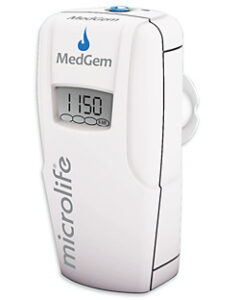 The Microlife BodyGem and MedGem indirect calorimetry devices measure your clients Resting Metabolic Rate, to optimize their weight loss results.
Instead of estimating RMR with the Harris-Benedict or Katch-McArdle formula, the BodyGem and MedGem scientifically measure a clients Metabolic Fingerprint, that is unique to them.
Estimation formulas cannot factor in thyroid issues, the effects of medications, etc.
For the best care, the American Dietetics Association recommends using indirect calorimetry to measure RMR for the most accurate assessment of nutritional needs.
The BodyGem and MedGem are the same type indirect calorimeter. They have the same functionality, accuracy and reliability.
The difference is that the MedGem is a FDA 510K-cleared, class II, medical device, which allows licensed clinicians to make insurance claims on their measurements.
CONTACT US:
Call 720-431-1461 to get your questions answered.
Or complete the CONTACT FORM and we’ll email you or call you.
If you’re ready to order a BodyGem or MedGem System Kit, complete the ORDER FORM and then call us with payment information.
We accept purchase orders from companies that have a net-30 credit account set up with us.
References & Citations
– Murray, Dr. Michael T. (2020). Textbook of Natural Medicine Fifth Edition.
– Sisson, Mark. (2016). Primal Endurance: Escape Chronic Cardio and Carbohydrate Dependency and Become a Fat-Burning Beast.
– Sinatra, Dr. Stephen T. (2009). A Cardiologist’s Prescription for Optimum Health.
– Mercola, Joseph. (2003). The No Grain Diet.
– Shallenberger, Dr. Frank. (2013). The Type 2 Diabetes Breakthrough: A Revolutionary Approach to Treating Type 2 Diabetes.
Source: https://brightlearn.ai