Imagine walking into your home and taking a deep breath — not of synthetic air fresheners or chemical cleaners, but of pure, clean air that actually supports your body’s natural rhythms.
That’s the power of a low-toxin home environment. It’s not just about avoiding harm; it’s about creating a space where your metabolism can thrive, free from the invisible burdens that slow it down. When we talk about metabolic health, most people think of diet and exercise, but the truth is, your home could be sabotaging your efforts without you even realizing it.
Everyday household products — from the non-stick pan you cook with to the laundry detergent you use — are packed with toxins that disrupt hormones, trigger inflammation, and drain your energy. The good news? You have the power to change that.
METABOLIC MINEFIELD: Navigating the Hidden Influences on Your Body’s Engine
 Imagine your body is a campfire. To keep it burning bright, you need three types of fuel: carbohydrates, fats, and proteins. Each plays a unique role in how your body creates energy, repairs itself, and stays healthy.
But here’s the catch: the modern food system, heavy metal exposure, personal care products, pharmaceutical drugs, seed oils, microplastics, glyphosate and gluten, are a metabolic minefield as they fill our bodies with toxins and overwhelm our systems with the wrong kinds of fuel, which leaves us metabolically broken.
This book will help you identify things that are negatively influencing your health and develop a plan to minimize toxins in and maximize toxins out, so that your metabolic system can function optimally.
CLICK HERE TO SEE A TABLE OF CONTENTS.
A low-toxin home isn’t some sterile, unlivable lab. It’s a space filled with natural materials, clean air, and products that work with your body instead of against it.
Think of it like giving your metabolism a fighting chance. Studies show that reducing exposure to household chemicals can lower inflammation, balance blood sugar, and even improve sleep — all of which are critical for a well-functioning metabolism.
For example, research from Metabolical: The Truth About Processed Food and How It Poisons People and the Planet by Dr. Robert Lustig highlights how environmental toxins, including those found in common household items, contribute to metabolic dysfunction by overloading the liver and disrupting insulin sensitivity. When your body isn’t constantly battling these invisible invaders, it can focus on what it does best: burning energy efficiently, repairing cells, and keeping you feeling vibrant.
So where do you start? The first step is to identify the biggest offenders lurking in your home. Cleaning products are a major culprit.
Most conventional cleaners contain volatile organic compounds (VOCs), phthalates, and synthetic fragrances — all of which have been linked to hormone disruption and metabolic slowdown. Air fresheners are another silent saboteur. Those plug-in devices and sprays might make your home smell like a tropical breeze, but they’re often loaded with endocrine-disrupting chemicals that mess with your thyroid and adrenal glands, two key players in metabolism.
Even your cookware could be leaching toxins into your food. Non-stick pans coated with PFAS (per- and polyfluoroalkyl substances) release harmful chemicals when heated, which have been tied to weight gain and insulin resistance. Swapping these out for cast iron, stainless steel, or ceramic cookware is a simple but powerful change.
Indoor air quality is another game-changer for metabolic health.
Most people don’t realize that the air inside their homes can be two to five times more polluted than outdoor air, thanks to off-gassing from furniture, carpets, and synthetic building materials. Poor air quality doesn’t just affect your lungs — it stresses your entire system, leading to chronic inflammation, which is a known driver of metabolic syndrome.
The solution? Bring in more fresh air by opening windows regularly, invest in a high-quality air purifier with a HEPA filter, and add some houseplants like spider plants or peace lilies, which naturally filter toxins. Even small steps, like removing your shoes at the door to avoid tracking in pesticides and heavy metals, can make a big difference over time.
Water quality is just as critical. Tap water is often contaminated with chlorine, fluoride, heavy metals, and even pharmaceutical residues — all of which can interfere with metabolic processes.
Fluoride, for instance, is known to disrupt thyroid function, which directly impacts metabolism. Installing a reverse osmosis or carbon block filter can remove most of these contaminants, giving your body the clean hydration it needs to function optimally.
And don’t overlook the water you bathe in; chlorine absorbs through your skin, so a simple shower filter can further reduce your toxin load. Remember, every sip and every shower is either adding to your toxic burden or helping to lighten it.
Now, let’s talk about electromagnetic fields (EMFs). In our hyper-connected world, Wi-Fi routers, smartphones, and smart meters are constantly bombarding us with invisible radiation.
While the full extent of EMF’s impact on metabolism is still being studied, research suggests that chronic exposure can disrupt cellular communication, impair sleep, and even alter glucose metabolism. The fix doesn’t require going off-grid — just being mindful.
Turn off your Wi-Fi at night, keep your phone out of the bedroom, and consider using wired connections instead of Bluetooth where possible. Small changes like these can reduce your exposure and give your body a chance to recover during rest.
Creating a low-toxin home isn’t about perfection; it’s about progress. Start with one room or one category of products — maybe your kitchen or your cleaning supplies — and gradually replace toxic items with safer alternatives.
For cleaning, simple ingredients like vinegar, baking soda, and castile soap can tackle almost any mess without the chemical fallout. Essential oils like tea tree or lavender add natural antibacterial properties and a pleasant scent without the synthetic fragrance toxins.
When it comes to personal care, opt for products with short, recognizable ingredient lists — think coconut oil instead of lotions filled with parabens and phthalates. Your skin is your largest organ, and what you put on it ends up in your bloodstream, affecting your metabolism just as much as what you eat.
Finally, make this a sustainable lifestyle, not a temporary overhaul. Involve your family in the process — teach kids why you’re choosing glass storage containers over plastic or why you’re diffusing essential oils instead of spraying air fresheners.
Cook meals at home using whole, organic ingredients to avoid the hidden toxins in processed foods, which Dr. Lustig’s work in Fat Chance: The Hidden Truth About Sugar, Obesity, and Disease shows are major contributors to metabolic dysfunction. Over time, these habits will become second nature, and your body will thank you with more energy, better digestion, and a metabolism that hums along like a well-oiled machine.
The beauty of a low-toxin home is that it’s not just good for you — it’s good for the planet, too. By choosing natural, non-toxic products, you’re reducing the demand for harmful chemicals that pollute our waterways and soil.
You’re also taking back control from the corporations that profit from keeping you sick and dependent on their products. This is about more than just health; it’s about reclaiming your freedom to live in a way that aligns with nature, not against it.
Your home should be your sanctuary, a place that nourishes your body and soul. With a few intentional changes, it can be exactly that — a haven where your metabolism, and your overall well-being, can truly thrive.
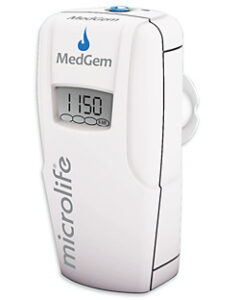 The Microlife BodyGem and MedGem indirect calorimetry devices measure your clients Resting Metabolic Rate, to optimize their weight loss results.
Instead of estimating RMR with the Harris-Benedict or Katch-McArdle formula, the BodyGem and MedGem scientifically measure a clients Metabolic Fingerprint, that is unique to them.
Estimation formulas cannot factor in thyroid issues, the effects of medications, etc.
For the best care, the American Dietetics Association recommends using indirect calorimetry to measure RMR for the most accurate assessment of nutritional needs.
The BodyGem and MedGem are the same type indirect calorimeter. They have the same functionality, accuracy and reliability.
The difference is that the MedGem is a FDA 510K-cleared, class II, medical device, which allows licensed clinicians to make insurance claims on their measurements.
CONTACT US:
Call 720-431-1461 to get your questions answered.
Or complete the CONTACT FORM and we’ll email you or call you.
If you’re ready to order a BodyGem or MedGem System Kit, complete the ORDER FORM and then call us with payment information.
We accept purchase orders from companies that have a net-30 credit account set up with us.
References & Citations
– Lustig, Dr. Robert. Metabolical: The Truth About Processed Food and How It Poisons People and the Planet.
– Lustig, Dr. Robert. Fat Chance: The Hidden Truth About Sugar, Obesity, and Disease.
– NaturalNews.com. A Hundred Health-Sapping Neurotoxins Are Hidden in Your Home, Food, and Personal Care Products. May 11, 2009.
– Zielinski, Eric. The Essential Oils Diet: Lose Weight and Transform Your Health with the Power of Essential Oils.
– Adams, Mike. Brighteon Broadcast News – HEALTH FREEDOM HISTORY. Brighteon.com, September 12, 2024.
Source: https://brightlearn.ai