In our journey to understand how toxins affect our metabolism, it’s crucial to explore the role of antioxidants in combating oxidative stress.
Antioxidants are our body’s natural defenders, neutralizing harmful free radicals that can wreak havoc on our cells. These free radicals are unstable molecules that can damage cellular structures, leading to a host of health issues.
Antioxidants work by donating an electron to these free radicals, stabilizing them and preventing them from causing further damage. This process is essential for maintaining cellular health and overall well-being.
METABOLIC MINEFIELD: Navigating the Hidden Influences on Your Body’s Engine
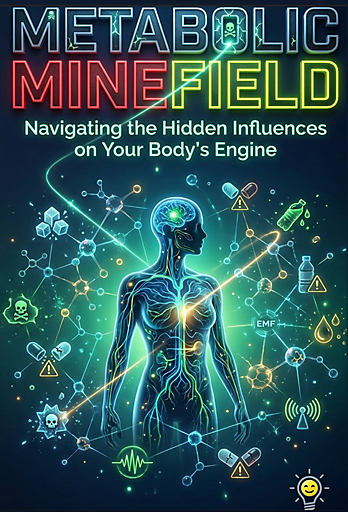 Imagine your body is a campfire. To keep it burning bright, you need three types of fuel: carbohydrates, fats, and proteins. Each plays a unique role in how your body creates energy, repairs itself, and stays healthy.
But here’s the catch: the modern food system, heavy metal exposure, personal care products, pharmaceutical drugs, seed oils, microplastics, glyphosate and gluten, are a metabolic minefield as they fill our bodies with toxins and overwhelm our systems with the wrong kinds of fuel, which leaves us metabolically broken.
This book will help you identify things that are negatively influencing your health and develop a plan to minimize toxins in and maximize toxins out, so that your metabolic system can function optimally.
CLICK HERE TO SEE A TABLE OF CONTENTS.
Our bodies produce some antioxidants naturally, known as endogenous antioxidants.
These include enzymes like superoxide dismutase, catalase, and glutathione peroxidase. However, we also rely on exogenous antioxidants, which come from our diet. Vitamins C and E, along with glutathione, are key players in this external defense system. Vitamin C, for instance, is a powerful water-soluble antioxidant that can neutralize free radicals in the blood and other bodily fluids.
Vitamin E, on the other hand, is fat-soluble and protects cell membranes from oxidative damage. Glutathione, often referred to as the ‘master antioxidant,’ plays a crucial role in detoxifying harmful substances and supporting immune function.
The metabolic benefits of these antioxidants are vast.
They protect cellular health by preventing oxidative damage to DNA, proteins, and lipids. This protection is vital for maintaining the integrity of our cells and ensuring they function optimally.
For example, vitamin E has been shown to protect low-density lipoproteins (LDL) from oxidation, which is a key step in the development of atherosclerosis. Similarly, glutathione supports mitochondrial function, the powerhouse of our cells, by reducing oxidative stress and enhancing energy production.
Mitochondrial function is particularly important when considering metabolic diseases.
Studies have shown that antioxidants can support mitochondrial health by reducing oxidative stress, which is often elevated in conditions like diabetes and obesity. By protecting mitochondria, antioxidants help ensure that our cells produce energy efficiently, which is crucial for overall metabolic health. This is where the synergy between different antioxidants comes into play.
For instance, vitamin C can regenerate vitamin E after it has neutralized a free radical, enhancing its protective benefits. This synergistic effect means that consuming a variety of antioxidants can provide more comprehensive protection against oxidative stress.
Polyphenols, another class of antioxidants found in plants, also play a significant role in modulating gene expression related to inflammation and metabolism.
Compounds like resveratrol, found in red wine, and curcumin, found in turmeric, have been shown to influence genes that regulate inflammation and metabolic processes. These polyphenols can help reduce chronic inflammation, which is a common underlying factor in many metabolic diseases.
The ‘French Paradox’ is a fascinating case study in this context. Despite a diet relatively high in saturated fats, the French have a lower incidence of heart disease, which some researchers attribute to the regular consumption of red wine rich in polyphenols like resveratrol.
To optimize antioxidant intake through diet, it’s essential to include a variety of antioxidant-rich foods.
Berries, dark leafy greens, nuts, and seeds are excellent sources of vitamins C and E, as well as other beneficial antioxidants. Preparing these foods in ways that preserve their nutrient content is also important. For example, steaming vegetables instead of boiling them can help retain more of their antioxidant properties.
Incorporating antioxidants into daily meals can be simple and enjoyable. Starting the day with a smoothie made from berries, spinach, and a splash of almond milk can provide a powerful antioxidant boost. Herbal teas, such as green tea or hibiscus tea, are also rich in antioxidants and can be a refreshing way to increase your intake.
In our quest for health freedom and natural wellness, it’s empowering to know that we can take control of our health by making informed dietary choices.
By understanding the role of antioxidants and incorporating them into our daily lives, we can combat oxidative stress and support our metabolic health naturally. This approach aligns with the principles of natural medicine and the belief in the body’s innate ability to heal and thrive when given the right tools. As we continue to navigate the complexities of modern health, let us remember the power of nature’s bounty in supporting our well-being.
In conclusion, antioxidants are a vital component of our body’s defense system against oxidative stress.
By including a variety of antioxidant-rich foods in our diet and understanding their synergistic effects, we can support our metabolic health and overall well-being. This natural approach to health empowers us to take control of our wellness journey, free from the constraints of conventional medical systems that often prioritize profit over patient care.
Let us embrace the wisdom of natural medicine and the healing power of antioxidants in our pursuit of optimal health.
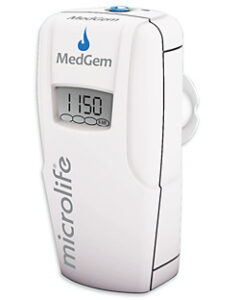 The Microlife BodyGem and MedGem indirect calorimetry devices measure your clients Resting Metabolic Rate, to optimize their weight loss results.
Instead of estimating RMR with the Harris-Benedict or Katch-McArdle formula, the BodyGem and MedGem scientifically measure a clients Metabolic Fingerprint, that is unique to them.
Estimation formulas cannot factor in thyroid issues, the effects of medications, etc.
For the best care, the American Dietetics Association recommends using indirect calorimetry to measure RMR for the most accurate assessment of nutritional needs.
The BodyGem and MedGem are the same type indirect calorimeter. They have the same functionality, accuracy and reliability.
The difference is that the MedGem is a FDA 510K-cleared, class II, medical device, which allows licensed clinicians to make insurance claims on their measurements.
CONTACT US:
Call 720-431-1461 to get your questions answered.
Or complete the CONTACT FORM and we’ll email you or call you.
If you’re ready to order a BodyGem or MedGem System Kit, complete the ORDER FORM and then call us with payment information.
We accept purchase orders from companies that have a net-30 credit account set up with us.
References & Citations
– Zielinski, Eric. The Essential Oils Diet: Lose Weight and Transform Your Health with the Power of Essential Oils.
– Hyman, Dr. Mark. The Blood Sugar Solution: The UltraHealthy Program for Losing Weight, Preventing Disease.
– Lustig, Dr. Robert. Fat Chance: The Hidden Truth About Sugar, Obesity, and Disease.
– NaturalNews.com. Protect yourself from the ravages of the Food – NaturalNews.com, February 28, 2011.
– NaturalNews.com. How functional beverages are redefining energy and why hydration is the ultimate performance enhancer – NaturalNews.com, October 04, 2025.
Source: https://brightlearn.ai