When it comes to cooking, the oils you choose can either nourish your body or quietly sabotage your metabolism.
In a world where industrial seed oils dominate supermarket shelves — pushed by the same food corporations that profit from processed junk — it’s no surprise that so many people struggle with inflammation, weight gain, and chronic disease. But the truth is, nature provides us with fats that not only withstand heat but actively support our health. The key is knowing which ones to trust and how to use them properly.
METABOLIC MINEFIELD: Navigating the Hidden Influences on Your Body’s Engine
 Imagine your body is a campfire. To keep it burning bright, you need three types of fuel: carbohydrates, fats, and proteins. Each plays a unique role in how your body creates energy, repairs itself, and stays healthy.
But here’s the catch: the modern food system, heavy metal exposure, personal care products, pharmaceutical drugs, seed oils, microplastics, glyphosate and gluten, are a metabolic minefield as they fill our bodies with toxins and overwhelm our systems with the wrong kinds of fuel, which leaves us metabolically broken.
This book will help you identify things that are negatively influencing your health and develop a plan to minimize toxins in and maximize toxins out, so that your metabolic system can function optimally.
CLICK HERE TO SEE A TABLE OF CONTENTS.
So, what makes a cooking oil truly safe?
First, it must have a high smoke point — the temperature at which an oil starts to break down and release harmful free radicals. Oils like coconut oil, ghee, and avocado oil can handle high heat without turning toxic, unlike flimsy vegetable oils that oxidize the moment they hit a hot pan.
Second, a safe oil resists oxidation, meaning it doesn’t go rancid easily, either on the shelf or in your body. Oxidized oils are metabolic poisons, contributing to insulin resistance and cellular damage. Finally, the best oils bring nutritional value to the table — fat-soluble vitamins, antioxidants, or even beneficial fatty acids that your body craves.
Let’s start with the champions of high-heat cooking: saturated fats.
For decades, we’ve been lied to by the food industry and government diet guidelines, told that saturated fats clog arteries and cause heart disease. But the science — when not manipulated by Big Pharma-funded studies — tells a different story. Saturated fats like coconut oil and ghee are incredibly stable under heat.
Coconut oil, rich in lauric acid, supports immune function and thyroid health, while ghee (clarified butter) provides butyrate, a compound that heals the gut lining and reduces inflammation. These fats don’t just survive cooking; they thrive in it, making them ideal for frying, sautéing, or roasting. Traditional cultures have used them for centuries, long before heart disease became an epidemic — coinciding, not so coincidentally, with the rise of processed vegetable oils.
Then there are monounsaturated fats, the heart-healthy heroes found in extra virgin olive oil and avocado oil.
These oils are the backbone of the Mediterranean diet, a way of eating linked to longevity and metabolic resilience. Olive oil, when cold-pressed and unrefined, is packed with polyphenols that fight inflammation and improve insulin sensitivity. Avocado oil, with its buttery flavor and high smoke point, is perfect for everything from dressings to stir-fries.
But here’s the catch: these oils must be sourced carefully. The moment they’re refined or exposed to heat during processing, their benefits vanish, replaced by oxidative damage. Always choose cold-pressed, organic versions, and never let them smoke in the pan.
Now, let’s talk about the forgotten gems: traditional animal fats like lard, tallow, and duck fat.
These were staples in our ancestors’ kitchens for good reason. They’re rich in fat-soluble vitamins — A, D, E, and K2 — which are essential for bone health, hormone balance, and metabolic function. Grass-fed tallow, for example, contains conjugated linoleic acid (CLA), a fatty acid shown to reduce body fat and improve insulin action.
And unlike industrial seed oils, these fats don’t come from genetically modified crops sprayed with glyphosate or processed with toxic solvents like hexane. They’re real, whole foods, just as nature intended. The only downside? Finding high-quality sources. Seek out fats from pasture-raised or wild animals, rendered slowly and without additives.
Smoke points matter, but they’re not the whole story.
An oil’s stability depends on more than just its smoke point — it’s about how refined it is and how it’s been stored. For instance, refined olive oil has a higher smoke point than extra virgin, but the refining process strips away its antioxidants, leaving it more prone to oxidation.
Here’s a quick guide: For searing or deep-frying, reach for ghee, coconut oil, or avocado oil, all of which can handle temperatures above 400°F. For medium-heat cooking like sautéing, butter or extra virgin olive oil work well if you keep the heat moderate. And for dressings or low-heat dishes, unrefined flaxseed or hemp oil adds a nutritional boost — just never heat them. The less an oil is messed with, the better it is for you.
Sourcing is everything. Industrial seed oils — soybean, canola, corn — are extracted using high heat and chemical solvents, then deodorized to mask their rancid smell.
These oils are already oxidized before they even hit the shelf, and cooking with them only makes things worse. In contrast, cold-pressed oils retain their nutrients and natural stability. Organic certification matters, too, because non-organic oils are often made from GMO crops drenched in pesticides.
And let’s not forget the deception of labels like “expeller-pressed” or “pure” — these terms sound healthy but often hide refined, poor-quality oils. Stick to trusted brands that prioritize transparency, or better yet, render your own fats at home from pastured animals.
Even the best oils can turn against you if stored improperly.
Light, heat, and oxygen are the enemies of oil integrity. Ever notice how a bottle of olive oil left by the stove tastes off after a few weeks? That’s oxidation in action, creating free radicals that harm your metabolism. To keep your oils fresh, store them in dark glass bottles or stainless steel containers, away from heat and sunlight.
Refrigerate nut and seed oils like flax or walnut, and use them up quickly. And never, ever reuse oil that’s been heated — those leftover fryer oils are a metabolic disaster, linked to everything from obesity to cancer.
So how do you put this into practice?
Start by swapping out those bottles of canola or vegetable oil for ghee, coconut oil, or avocado oil. Use ghee for scrambling eggs or frying potatoes — its rich flavor and high smoke point make it a winner. Drizzle extra virgin olive oil over steamed veggies or salads, but save it for low-heat cooking to preserve its benefits.
Try cooking with lard or tallow for a crispy, flavorful alternative to processed oils — your grandparents knew what they were doing. And don’t forget the power of fat in baking: coconut oil adds moisture and a subtle sweetness to muffins or cookies, while butter (from grass-fed cows) brings richness and vital nutrients.
The bottom line? Your metabolism doesn’t have to be a victim of the food industry’s lies.
By choosing oils that are stable, nutrient-dense, and minimally processed, you’re not just avoiding harm — you’re actively fueling your body’s natural ability to thrive. It’s time to take back control of your kitchen, one healthy fat at a time. Because when you cook with real, unadulterated fats, you’re not just making food — you’re reclaiming your health from a system that’s been poisoning us for profit.
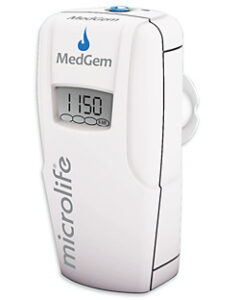 The Microlife BodyGem and MedGem indirect calorimetry devices measure your clients Resting Metabolic Rate, to optimize their weight loss results.
Instead of estimating RMR with the Harris-Benedict or Katch-McArdle formula, the BodyGem and MedGem scientifically measure a clients Metabolic Fingerprint, that is unique to them.
Estimation formulas cannot factor in thyroid issues, the effects of medications, etc.
For the best care, the American Dietetics Association recommends using indirect calorimetry to measure RMR for the most accurate assessment of nutritional needs.
The BodyGem and MedGem are the same type indirect calorimeter. They have the same functionality, accuracy and reliability.
The difference is that the MedGem is a FDA 510K-cleared, class II, medical device, which allows licensed clinicians to make insurance claims on their measurements.
CONTACT US:
Call 720-431-1461 to get your questions answered.
Or complete the CONTACT FORM and we’ll email you or call you.
If you’re ready to order a BodyGem or MedGem System Kit, complete the ORDER FORM and then call us with payment information.
We accept purchase orders from companies that have a net-30 credit account set up with us.
References & Citations
– Zielinski, Eric. The Essential Oils Diet: Lose Weight and Transform Your Health with the Power of Essential Oils.
– Lustig, Dr Robert. Fat Chance: The Hidden Truth About Sugar, Obesity, and Disease.
– Daley, Rosie and Weil, Andrew. The Healthy Kitchen: Recipes for a Better Body, Life, and Spirit.
– Hyman, Dr Mark. The Blood Sugar Solution: The UltraHealthy Program for Losing Weight, Preventing Disease.
– Adams, Mike. Brighteon Broadcast News – HEALTH FREEDOM HISTORY. Brighteon.com.
Source: https://brightlearn.ai