In the pursuit of metabolic mastery, it is crucial to recognize the natural factors that influence resting metabolic rate (RMR), a cornerstone of sustainable weight management.
RMR, the amount of energy expended while at rest, is governed by a complex interplay of physiological and lifestyle factors.
Understanding these natural influences empowers individuals to make informed decisions about their health, free from the often misleading narratives propagated by centralized institutions and pharmaceutical interests.
One of the primary factors influencing RMR is muscle mass.
Muscle tissue is metabolically active, meaning it requires more energy to maintain than fat tissue. Therefore, individuals with higher muscle mass tend to have a higher RMR.
This underscores the importance of resistance training and adequate protein intake, as emphasized in ‘The Primal Blueprint 21-Day Total Body Transformation’ by Mark Sisson. Sisson advocates for a holistic approach to fitness that includes strength training to build and maintain muscle mass, thereby naturally enhancing metabolic rate.
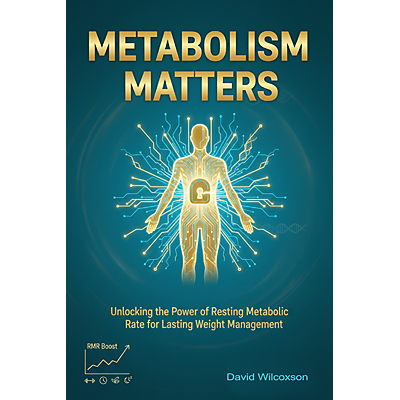
This new book shows you how to use RMR to help clients have long lasting weight management success.
Resting Metabolic Rate is a critical factor for weight management and overall health.
RMR equations can be off by 20-30%.
This new book shows you how to use RMR to help clients have long lasting weight management success.
CLICK HERE TO SEE A TABLE OF CONTENTS.
Body size and composition also play significant roles in determining RMR.
Larger individuals generally have higher metabolic rates due to the increased energy required to maintain larger organs and body structures. However, it is essential to distinguish between lean body mass and fat mass. Lean body mass, which includes muscles and organs, is more metabolically active than fat mass.
This distinction is crucial for understanding why two individuals of the same weight can have different metabolic rates. As noted in ‘Sapira’s Art & Science of Bedside Diagnosis’ by Jane M. Orient, comprehensive evaluations that consider body composition are vital for accurate health assessments.
Age is another critical factor influencing RMR. Metabolic rate tends to decrease with age due to the natural loss of muscle mass and changes in hormonal balance.
This age-related decline highlights the importance of lifelong physical activity and proper nutrition to mitigate the effects of aging on metabolism. Regular exercise, particularly resistance training, can help preserve muscle mass and maintain a higher RMR.
Additionally, hormonal balance, particularly thyroid function, is crucial. The thyroid gland regulates metabolism, and any imbalance can significantly affect RMR.
Natural approaches to supporting thyroid health, such as adequate intake of essential minerals and nutrients, are often overlooked by conventional medicine but are vital for metabolic health.
Genetics also play a role in determining an individual’s RMR. Genetic predispositions can influence muscle fiber type, hormonal responses, and overall metabolic efficiency.
While genetics are not within our control, understanding one’s genetic predispositions can guide personalized lifestyle and dietary choices. For instance, some individuals may have a genetic predisposition to store fat more efficiently, requiring tailored dietary strategies to manage weight effectively.
This personalized approach is often overshadowed by the one-size-fits-all recommendations from mainstream health institutions.
Diet and nutrition are perhaps the most modifiable factors influencing RMR.
The thermic effect of food (TEF) refers to the energy required to digest, absorb, and process nutrients. Protein has a higher TEF compared to fats and carbohydrates, meaning that consuming a diet rich in high-quality proteins can temporarily increase metabolic rate.
As discussed in ‘The No-Grain Diet’ by Joseph Mercola, adjusting the protein-to-carbohydrate ratio can significantly impact metabolic health. Mercola emphasizes the benefits of a diet low in processed grains and high in healthy fats and proteins, which aligns with natural health principles and supports metabolic efficiency.
Physical activity levels, both through structured exercise and daily movement, also influence RMR.
Regular physical activity increases muscle mass, improves hormonal balance, and enhances overall metabolic efficiency.
Exercise induces the production of growth factors such as IGF-1, FGF-2, and VEGF, which support neuroplasticity and neurogenesis, as highlighted in ‘Spark: The Revolutionary New Science of Exercise and the Brain’ by John J. Ratey.
These growth factors not only enhance brain function but also contribute to overall metabolic health by promoting tissue repair and growth.
Lastly, stress and sleep are often underestimated factors that significantly impact RMR.
Chronic stress can lead to elevated cortisol levels, which may negatively affect metabolism and promote fat storage. Adequate sleep, on the other hand, is essential for metabolic regulation.
Poor sleep patterns can disrupt hormonal balance, including hormones that regulate hunger and satiety, thereby influencing metabolic rate.
Addressing stress through natural methods such as mindfulness, adequate sleep hygiene, and emotional freedom techniques can support a healthy metabolic rate.
In conclusion, achieving metabolic mastery requires a comprehensive understanding of the natural factors influencing RMR.
By focusing on muscle mass, body composition, age-related changes, genetics, diet, physical activity, and stress management, individuals can optimize their metabolic health without relying on the often misleading and profit-driven advice from centralized health institutions.
Embracing natural health principles and personalized strategies empowers individuals to take control of their metabolic well-being and achieve sustainable weight management.
 The Microlife BodyGem and MedGem indirect calorimetry devices measure your clients Resting Metabolic Rate, to optimize their weight loss results.
Instead of estimating RMR with the Harris-Benedict or Katch-McArdle formula, the BodyGem and MedGem scientifically measure a clients Metabolic Fingerprint, that is unique to them.
Estimation formulas cannot factor in thyroid issues, the effects of medications, etc.
For the best care, the American Dietetics Association recommends using indirect calorimetry to measure RMR for the most accurate assessment of nutritional needs.
The BodyGem and MedGem are the same type indirect calorimeter. They have the same functionality, accuracy and reliability.
The difference is that the MedGem is a FDA 510K-cleared, class II, medical device, which allows licensed clinicians to make insurance claims on their measurements.
CONTACT US:
Call 720-431-1461 to get your questions answered.
Or complete the CONTACT FORM and we’ll email you or call you.
If you’re ready to order a BodyGem or MedGem System Kit, complete the ORDER FORM and then call us with payment information.
We accept purchase orders from companies that have a net-30 credit account set up with us.
References & Citations
– Sisson, Mark. The Primal Blueprint 21-Day Total Body Transformation: A Step-by-Step Gene Reprogramming Action Plan.
– Orient, Jane M. Sapira’s Art & Science of Bedside Diagnosis.
– Mercola, Joseph. The No-Grain Diet.
– Ratey, John J. Spark: The Revolutionary New Science of Exercise and the Brain
Source: https://brightlearn.ai