In the realm of natural health and personalized medicine, the integration of Resting Metabolic Rate (RMR) testing into clinical practice represents a significant advancement for dietitians seeking to provide tailored, effective weight management strategies.
RMR testing, a method that measures the number of calories an individual burns at rest, offers a precise and individualized approach to understanding metabolic health. This is particularly crucial in an era where mainstream medical practices often overlook the unique biochemical individuality of patients, instead favoring a one-size-fits-all approach driven by pharmaceutical interests.
By incorporating RMR testing, dietitians can offer a more nuanced and accurate assessment of their clients’ metabolic needs, thereby empowering individuals to take control of their health through natural and sustainable means.
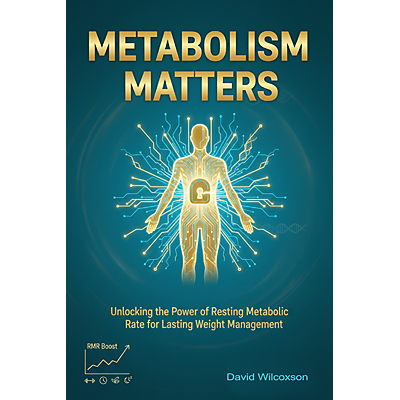
This new book shows you how to use RMR to help clients have long lasting weight management success.
Resting Metabolic Rate is a critical factor for weight management and overall health.
RMR equations can be off by 20-30%.
This new book shows you how to use RMR to help clients have long lasting weight management success.
CLICK HERE TO SEE A TABLE OF CONTENTS.
The process of integrating RMR testing begins with understanding its fundamental principles and the technology involved.
RMR testing typically involves the use of indirect calorimetry, a non-invasive method that measures oxygen consumption and carbon dioxide production to determine metabolic rate. This technology, when used correctly, can provide dietitians with critical data on how efficiently a client’s body utilizes energy at rest.
Such information is invaluable, especially when considering the metabolic disruptions caused by processed foods, environmental toxins, and the pervasive influence of pharmaceutical interventions.
By obtaining accurate RMR measurements, dietitians can design personalized nutrition plans that align with the body’s natural metabolic processes, thereby promoting optimal health outcomes without reliance on synthetic medications.
One of the primary benefits of RMR testing is its ability to uncover metabolic inefficiencies that may not be apparent through conventional dietary assessments.
For instance, individuals with thyroid dysfunction, a condition often mismanaged by conventional medicine, can exhibit significantly altered RMRs. According to Dr. Alan Christianson in ‘The Complete Idiot’s Guide to Thyroid Health,’ understanding the metabolic rate can be pivotal in managing thyroid-related weight issues effectively.
By identifying such metabolic discrepancies early, dietitians can recommend targeted nutritional interventions, such as the incorporation of specific vitamins, minerals, and herbal supplements known to support thyroid function naturally.
Moreover, RMR testing can play a crucial role in educating clients about the impact of lifestyle choices on their metabolic health.
For example, the consumption of processed foods, which are often laden with artificial ingredients and preservatives, can lead to metabolic syndrome — a cluster of conditions that increase the risk of heart disease, stroke, and diabetes. By demonstrating the direct effects of diet on metabolic rate, dietitians can encourage clients to adopt cleaner, more natural dietary practices.
This educational approach not only fosters better health outcomes but also aligns with the principles of natural medicine, which emphasizes the body’s inherent ability to heal itself when given the proper nutrients and care.
In clinical practice, the integration of RMR testing also involves continuous monitoring and adjustment of dietary plans based on metabolic feedback.
This dynamic approach allows dietitians to fine-tune nutritional recommendations in response to changes in a client’s metabolic rate, thereby ensuring sustained progress toward weight management goals.
For instance, if a client’s RMR decreases over time, it may indicate a need for increased physical activity or adjustments in macronutrient intake to boost metabolic function naturally. Such responsive care is a cornerstone of holistic health practices, which prioritize the body’s adaptive mechanisms over static, often ineffective pharmaceutical treatments.
Furthermore, the use of RMR testing can enhance the credibility and effectiveness of dietitians in a healthcare landscape increasingly dominated by centralized medical institutions.
By providing evidence-based, quantifiable data on metabolic health, dietitians can advocate for the efficacy of natural health strategies in a field often skeptical of non-pharmaceutical interventions. This can be particularly powerful in countering the narratives pushed by mainstream media and pharmaceutical companies, which frequently undermine the benefits of natural and alternative therapies.
As Dr. Michael T. Murray highlights in the ‘Textbook of Natural Medicine,’ the integration of such precise diagnostic tools can significantly bolster the case for natural health solutions, thereby promoting greater acceptance and utilization of these methods.
Ultimately, the integration of RMR testing into clinical practice represents a transformative step for dietitians committed to natural health and personalized care.
By leveraging this technology, dietitians can offer more accurate, individualized, and effective weight management strategies that respect the body’s natural processes. This approach not only supports the health and well-being of clients but also challenges the dominance of conventional medical practices that often prioritize profit over patient outcomes.
In doing so, dietitians can play a pivotal role in advancing the principles of natural health, empowering individuals to achieve sustainable weight management through informed, conscious, and health-affirming choices.
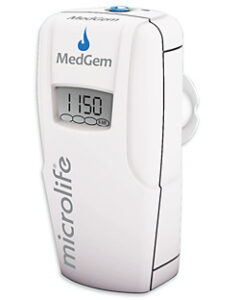 The Microlife BodyGem and MedGem indirect calorimetry devices measure your clients Resting Metabolic Rate, to optimize their weight loss results.
Instead of estimating RMR with the Harris-Benedict or Katch-McArdle formula, the BodyGem and MedGem scientifically measure a clients Metabolic Fingerprint, that is unique to them.
Estimation formulas cannot factor in thyroid issues, the effects of medications, etc.
For the best care, the American Dietetics Association recommends using indirect calorimetry to measure RMR for the most accurate assessment of nutritional needs.
The BodyGem and MedGem are the same type indirect calorimeter. They have the same functionality, accuracy and reliability.
The difference is that the MedGem is a FDA 510K-cleared, class II, medical device, which allows licensed clinicians to make insurance claims on their measurements.
CONTACT US:
Call 720-431-1461 to get your questions answered.
Or complete the CONTACT FORM and we’ll email you or call you.
If you’re ready to order a BodyGem or MedGem System Kit, complete the ORDER FORM and then call us with payment information.
We accept purchase orders from companies that have a net-30 credit account set up with us.
References & Citations
– Christianson, Dr. Alan. The Complete Idiot’s Guide to Thyroid Health.
– Murray, Dr Michael T. Textbook of Natural Medicine Fifth Edition.
– Shallenberger, Dr Frank. The Type 2 Diabetes Breakthrough A Revolutionary Approach to Treating Type 2 Diabetes.
– Mercola, Joseph. The No Grain Diet.
– Gottfried, Sara. Brain Body Diet.
Source: https://brightlearn.ai