In our quest for optimal health, it’s crucial to understand the profound impact that sleep quality and circadian rhythm have on our metabolic rate.
These natural processes are often overlooked in mainstream medicine, which tends to focus on pharmaceutical interventions rather than holistic, natural approaches. Let’s delve into how these factors influence our metabolism and what we can do to support our body’s natural rhythms.
METABOLIC MINEFIELD: Navigating the Hidden Influences on Your Body’s Engine
 Imagine your body is a campfire. To keep it burning bright, you need three types of fuel: carbohydrates, fats, and proteins. Each plays a unique role in how your body creates energy, repairs itself, and stays healthy.
But here’s the catch: the modern food system, heavy metal exposure, personal care products, pharmaceutical drugs, seed oils, microplastics, glyphosate and gluten, are a metabolic minefield as they fill our bodies with toxins and overwhelm our systems with the wrong kinds of fuel, which leaves us metabolically broken.
This book will help you identify things that are negatively influencing your health and develop a plan to minimize toxins in and maximize toxins out, so that your metabolic system can function optimally.
CLICK HERE TO SEE A TABLE OF CONTENTS.
Circadian rhythm is our body’s internal clock, a natural cycle that regulates various physiological processes over a 24-hour period.
This includes hormone production, energy expenditure, and even our sleep-wake cycles. Our metabolism is intricately tied to this rhythm, with certain metabolic processes being more active at specific times of the day.
For instance, our body is primed to process food more efficiently during the day, while at night, it focuses on repair and regeneration. Disrupting this natural cycle can lead to metabolic imbalances, weight gain, and a host of other health issues.
Poor sleep quality is a significant disruptor of our circadian rhythm and, consequently, our metabolism.
When we don’t get enough sleep or our sleep is fragmented, it can lead to insulin resistance, a condition where our body’s cells become less responsive to insulin, leading to high blood sugar levels. This is a precursor to type 2 diabetes, a condition that mainstream medicine often manages with drugs rather than addressing the root cause.
Additionally, poor sleep can dysregulate cortisol, our body’s primary stress hormone. Elevated cortisol levels can increase appetite, particularly for sugary and fatty foods, and promote fat storage, particularly in the abdominal area.
Inflammation is another consequence of poor sleep.
Chronic inflammation is a known contributor to various health problems, including metabolic syndrome, a cluster of conditions that increase the risk of heart disease, stroke, and diabetes.
Mainstream medicine often treats inflammation with nonsteroidal anti-inflammatory drugs (NSAIDs), which can have harmful side effects. Instead, addressing the root cause, such as improving sleep quality, can help reduce inflammation naturally.
Sleep deprivation has several metabolic consequences.
It can lead to weight gain by increasing appetite and decreasing energy expenditure. When we’re sleep-deprived, our body produces more ghrelin, a hormone that stimulates appetite, and less leptin, a hormone that suppresses appetite.
This hormonal imbalance can lead to overeating and weight gain. Moreover, sleep deprivation can reduce our resting metabolic rate, the number of calories our body burns at rest, making it harder to maintain a healthy weight.
Shift workers provide a stark example of how circadian disruption can impact metabolic health.
Due to their irregular work schedules, shift workers often experience circadian misalignment, where their internal clock is out of sync with their external environment. This misalignment can lead to an increased risk of metabolic syndrome, obesity, and other health problems.
Mainstream medicine often overlooks these occupational hazards, focusing instead on symptom management rather than prevention.
Melatonin, a hormone produced by the pineal gland, plays a crucial role in supporting metabolic health.
It helps regulate our sleep-wake cycles and has antioxidant and anti-inflammatory properties. Melatonin production is influenced by light exposure, with levels rising in the evening as it gets dark and peaking during the night. However, artificial light, particularly blue light emitted by electronic devices, can suppress melatonin production, disrupting our sleep and circadian rhythm.
Optimizing sleep for metabolic health involves several strategies.
Sleep hygiene practices, such as maintaining a consistent sleep schedule, creating a sleep-friendly environment, and establishing a relaxing bedtime routine, can significantly improve sleep quality.
Reducing exposure to artificial light, particularly in the evening, can support melatonin production and circadian alignment. Additionally, reducing exposure to electromagnetic fields (EMFs) at night, such as those emitted by wireless devices, can improve sleep quality.
Consistent sleep schedules are beneficial for metabolic rate and weight management.
Our body thrives on routine, and maintaining a regular sleep-wake cycle can help regulate our metabolism. This consistency supports our body’s natural processes, promoting optimal health and well-being.
In contrast, irregular sleep schedules can disrupt our circadian rhythm, leading to metabolic imbalances and weight gain.
Improving sleep quality involves creating a sleep-friendly environment and adopting healthy habits.
This includes keeping the bedroom cool, dark, and quiet, investing in a comfortable mattress and pillows, and using the bedroom primarily for sleep. Reducing EMF exposure at night can also improve sleep quality.
This can be achieved by turning off wireless devices, using wired connections instead of wireless, and keeping electronic devices out of the bedroom.
In conclusion, understanding and supporting our body’s natural rhythms can significantly improve our metabolic health.
By prioritizing sleep quality and circadian alignment, we can address the root causes of metabolic imbalances, rather than relying on mainstream medicine’s symptom-focused approach. This holistic, natural approach empowers us to take control of our health and well-being, promoting a healthier, happier life.
The Natural Way to Heal: 65 Ways to Create Superior Health by Walter Last emphasizes the importance of natural approaches to health, aligning with the ideas presented in this section.
Similarly, Dr. Robert Lustig’s work, particularly Metabolical: The Truth About Processed Food and How It Poisons People and the Planet, highlights the detrimental effects of processed foods and the importance of natural, whole foods for optimal health.
These resources, along with others like The Blood Sugar Solution by Dr. Mark Hyman, provide valuable insights into natural, holistic approaches to health and wellness, empowering individuals to take control of their health and well-being.
In our quest for optimal health, it’s crucial to question mainstream narratives and seek out alternative, natural approaches.
This includes understanding the profound impact of sleep quality and circadian rhythm on our metabolic rate and taking steps to support our body’s natural rhythms. By doing so, we can promote a healthier, happier life, free from the constraints of mainstream medicine’s pharmaceutical-focused approach.
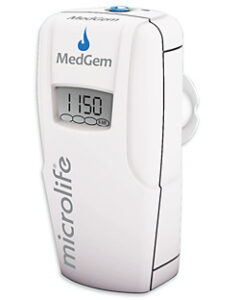 The Microlife BodyGem and MedGem indirect calorimetry devices measure your clients Resting Metabolic Rate, to optimize their weight loss results.
Instead of estimating RMR with the Harris-Benedict or Katch-McArdle formula, the BodyGem and MedGem scientifically measure a clients Metabolic Fingerprint, that is unique to them.
Estimation formulas cannot factor in thyroid issues, the effects of medications, etc.
For the best care, the American Dietetics Association recommends using indirect calorimetry to measure RMR for the most accurate assessment of nutritional needs.
The BodyGem and MedGem are the same type indirect calorimeter. They have the same functionality, accuracy and reliability.
The difference is that the MedGem is a FDA 510K-cleared, class II, medical device, which allows licensed clinicians to make insurance claims on their measurements.
CONTACT US:
Call 720-431-1461 to get your questions answered.
Or complete the CONTACT FORM and we’ll email you or call you.
If you’re ready to order a BodyGem or MedGem System Kit, complete the ORDER FORM and then call us with payment information.
We accept purchase orders from companies that have a net-30 credit account set up with us.
References & Citations
– The Natural Way to Heal: 65 Ways to Create Superior Health by Walter Last
– Metabolical: The Truth About Processed Food and How It Poisons People and the Planet by Dr. Robert Lustig
– The Blood Sugar Solution by Dr. Mark Hyman
Source: https://brightlearn.ai