In our quest for optimal health, it’s crucial to understand the profound impact that sunlight and vitamin D have on our metabolism.
Vitamin D, often referred to as the ‘sunshine vitamin,’ is a fat-soluble vitamin that plays a pivotal role in maintaining metabolic health. Unlike other vitamins, vitamin D functions like a hormone, and every single cell in your body has a receptor for it.
Your body makes vitamin D from cholesterol when your skin is exposed to sunlight. This process is vital because vitamin D is essential for many bodily functions, including bone health, immune function, and yes, even metabolism.
METABOLIC MINEFIELD: Navigating the Hidden Influences on Your Body’s Engine
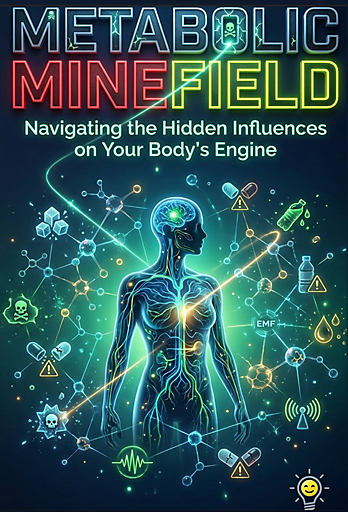 Imagine your body is a campfire. To keep it burning bright, you need three types of fuel: carbohydrates, fats, and proteins. Each plays a unique role in how your body creates energy, repairs itself, and stays healthy.
But here’s the catch: the modern food system, heavy metal exposure, personal care products, pharmaceutical drugs, seed oils, microplastics, glyphosate and gluten, are a metabolic minefield as they fill our bodies with toxins and overwhelm our systems with the wrong kinds of fuel, which leaves us metabolically broken.
This book will help you identify things that are negatively influencing your health and develop a plan to minimize toxins in and maximize toxins out, so that your metabolic system can function optimally.
CLICK HERE TO SEE A TABLE OF CONTENTS.
When you don’t get enough sunlight, your body’s ability to produce vitamin D is compromised.
This deficiency can disrupt your metabolism in several ways. One of the primary mechanisms is through insulin resistance. Insulin is a hormone that helps regulate blood sugar levels, and when your body becomes resistant to insulin, it can lead to weight gain and other metabolic issues.
Vitamin D helps improve insulin sensitivity, so a deficiency can make it harder for your body to manage blood sugar effectively. Additionally, vitamin D deficiency can lead to increased inflammation, which is another factor that can slow down your metabolism and contribute to weight gain and fatigue.
The consequences of vitamin D deficiency are far-reaching.
When your metabolism slows down, you may experience weight gain, fatigue, and reduced energy expenditure. This means that even if you’re eating the same amount of food, you might find it harder to maintain a healthy weight. Fatigue can make it difficult to stay active, further exacerbating the problem.
Reduced energy expenditure means your body burns fewer calories at rest, making it even more challenging to manage your weight. These metabolic consequences highlight the importance of maintaining adequate vitamin D levels for overall health and well-being.
Consider the case of seasonal affective disorder (SAD), a type of depression that occurs at certain times of the year, usually in the winter.
SAD is often linked to a lack of sunlight exposure, which can lead to vitamin D deficiency. People with SAD often experience weight gain, fatigue, and other metabolic issues. This is a clear example of how a lack of sunlight and subsequent vitamin D deficiency can disrupt metabolic function. By understanding this link, we can see the importance of sunlight and vitamin D in maintaining a healthy metabolism.
Vitamin D also plays a crucial role in supporting mitochondrial function.
Mitochondria are the powerhouses of your cells, responsible for producing energy. When your mitochondria aren’t functioning optimally, your cells don’t produce as much energy, which can lead to fatigue and other metabolic issues.
Vitamin D helps support mitochondrial function, ensuring that your cells have the energy they need to function properly. This is another way in which vitamin D deficiency can slow down your metabolism and contribute to fatigue and reduced energy levels.
Optimizing your vitamin D levels is essential for maintaining metabolic health.
One of the best ways to do this is through sunlight exposure. Aim to spend at least 15-30 minutes in the sun each day, preferably during the middle of the day when the sun’s rays are strongest. However, it’s important to practice safe sun habits to avoid sunburn and other skin damage.
You can also get vitamin D from your diet by eating foods like fatty fish, egg yolks, and fortified dairy products. Additionally, vitamin D supplements can be helpful, especially during the winter months when sunlight exposure is limited.
Vitamin D is also beneficial for thyroid health.
The thyroid gland produces hormones that regulate metabolism, and vitamin D plays a role in supporting this process. A healthy thyroid is essential for maintaining a healthy metabolism, and vitamin D deficiency can contribute to thyroid issues. By ensuring adequate vitamin D levels, you can support your thyroid health and, in turn, your metabolism.
Incorporating sunlight exposure into your daily life can be simple and enjoyable.
Try to spend time outside each day, whether it’s going for a walk, gardening, or simply sitting in the sun. If you’re concerned about skin damage, consider using a natural sunscreen or wearing protective clothing.
Additionally, you can include vitamin D-rich foods in your diet, such as fatty fish like salmon and mackerel, egg yolks, and fortified dairy products. By making these small changes, you can optimize your vitamin D levels and support your metabolic health.
In conclusion, the lack of sunlight and subsequent vitamin D deficiency can have a significant impact on your metabolism.
By understanding the role of vitamin D in metabolic health and taking steps to optimize your levels, you can support your overall well-being and maintain a healthy metabolism.
Remember, your body is designed to thrive in harmony with nature, and sunlight is a crucial part of that natural balance. Embrace the sunshine and let it nourish your body and soul.
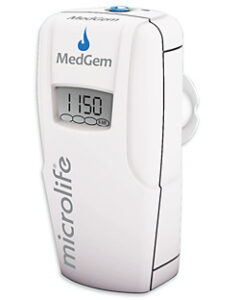 The Microlife BodyGem and MedGem indirect calorimetry devices measure your clients Resting Metabolic Rate, to optimize their weight loss results.
Instead of estimating RMR with the Harris-Benedict or Katch-McArdle formula, the BodyGem and MedGem scientifically measure a clients Metabolic Fingerprint, that is unique to them.
Estimation formulas cannot factor in thyroid issues, the effects of medications, etc.
For the best care, the American Dietetics Association recommends using indirect calorimetry to measure RMR for the most accurate assessment of nutritional needs.
The BodyGem and MedGem are the same type indirect calorimeter. They have the same functionality, accuracy and reliability.
The difference is that the MedGem is a FDA 510K-cleared, class II, medical device, which allows licensed clinicians to make insurance claims on their measurements.
CONTACT US:
Call 720-431-1461 to get your questions answered.
Or complete the CONTACT FORM and we’ll email you or call you.
If you’re ready to order a BodyGem or MedGem System Kit, complete the ORDER FORM and then call us with payment information.
We accept purchase orders from companies that have a net-30 credit account set up with us.
References & Citations
Source: https://brightlearn.ai