Imagine your metabolism as a finely tuned engine — one that hums along efficiently when fueled with the right ingredients but sputters and stalls when fed the wrong ones.
In a world where processed foods dominate supermarket shelves and industrial farming strips nutrients from the soil, it’s no wonder so many people struggle with sluggish metabolisms, weight gain, and chronic fatigue. But there’s a way out of this metabolic minefield: whole, organic foods.
These aren’t just trendy buzzwords; they’re the cornerstone of a faster, healthier metabolism, backed by science and centuries of traditional wisdom. When you eat foods in their natural, unadulterated state — grown without synthetic chemicals and free from artificial additives — you’re giving your body the tools it needs to thrive.
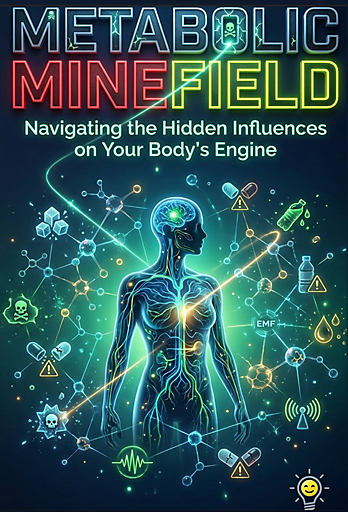
METABOLIC MINEFIELD: Navigating the Hidden Influences on Your Body’s Engine
 Imagine your body is a campfire. To keep it burning bright, you need three types of fuel: carbohydrates, fats, and proteins. Each plays a unique role in how your body creates energy, repairs itself, and stays healthy.
But here’s the catch: the modern food system, heavy metal exposure, personal care products, pharmaceutical drugs, seed oils, microplastics, glyphosate and gluten, are a metabolic minefield as they fill our bodies with toxins and overwhelm our systems with the wrong kinds of fuel, which leaves us metabolically broken.
This book will help you identify things that are negatively influencing your health and develop a plan to minimize toxins in and maximize toxins out, so that your metabolic system can function optimally.
CLICK HERE TO SEE A TABLE OF CONTENTS.
Let’s start by clarifying what we mean by whole foods versus processed foods.
The NOVA classification system, developed by researchers at the University of São Paulo, breaks down foods into four categories based on how much they’ve been altered from their natural state. Group 1 includes unprocessed or minimally processed foods like fresh fruits, vegetables, nuts, and whole grains — foods that haven’t been stripped of their fiber, vitamins, or minerals.
Group 2 covers processed culinary ingredients such as cold-pressed oils, raw honey, or sea salt — still close to their natural form but used to prepare meals. Groups 3 and 4, however, are where the trouble begins. These include ultra-processed foods like instant noodles, sugary cereals, and frozen dinners, which are loaded with artificial flavors, preservatives, and refined sugars.
As Dr. Robert Lustig explains in Metabolical: The truth about processed food and how it poisons people and the planet, these foods are designed to be hyper-palatable, hijacking your brain’s reward system and disrupting metabolic processes like insulin regulation and fat storage. When your body is constantly bombarded with these artificial concoctions, it’s no wonder your metabolism slows to a crawl.
Now, let’s talk about why organic matters. Organic farming isn’t just about avoiding pesticides — though that’s a critical part of it.
It’s about preserving the very life force of the food you eat. Studies have shown that organic produce contains significantly higher levels of phytonutrients — compounds like polyphenols and flavonoids that act as antioxidants and support metabolic health. For example, a study published in the British Journal of Nutrition found that organic crops had up to 69% more of certain key antioxidants than their conventionally grown counterparts.
These phytonutrients don’t just fight inflammation; they also enhance mitochondrial function, the powerhouses of your cells where energy is produced. When you eat conventionally grown foods, you’re often consuming residues of synthetic pesticides like glyphosate, which have been linked to gut microbiome disruption and metabolic syndrome.
As The Invisible Nuclear Threat Within Non-Organic Food from GreenMedInfo.com points out, even the soil in conventional farming is often depleted of minerals due to overuse of chemical fertilizers, leaving the food grown in it nutrient-poor. Organic farming, on the other hand, focuses on building healthy soil through composting and crop rotation, which translates to food that’s richer in the micronutrients your metabolism craves.
Speaking of micronutrients, let’s zoom in on why they’re so essential.
Your metabolism isn’t just about calories in and calories out — it’s a complex network of enzymatic reactions that rely on vitamins and minerals to function. Take magnesium, for instance. This mineral is involved in over 300 enzymatic processes, including those that regulate blood sugar and produce ATP, the energy currency of your cells.
Zinc, another critical player, supports thyroid function and immune health, both of which are intimately tied to metabolic rate. Yet, according to The Natural Way to Heal by Walter Last, modern diets are woefully deficient in these nutrients, largely because processed foods strip them away during refining.
Whole, organic foods, however, deliver these micronutrients in their most bioavailable forms, meaning your body can actually use them. For example, the magnesium in spinach or pumpkin seeds is far more effective at supporting your metabolism than the synthetic magnesium oxide you’d find in a cheap supplement.
Here’s where things get even more fascinating: whole foods don’t just provide isolated nutrients — they offer something called food synergy.
This is the idea that nutrients work together in ways that are greater than the sum of their parts. Vitamin C, for example, enhances the absorption of iron from plant-based foods like lentils and spinach, which is why pairing bell peppers with a bean salad isn’t just delicious — it’s metabolically smart.
Similarly, the healthy fats in avocados help your body absorb fat-soluble vitamins like A, D, E, and K from other foods. This synergy is lost when foods are processed or when nutrients are isolated into supplements.
As Dr. Andrew Weil and Rosie Daley note in The Healthy Kitchen: Recipes for a Better Body, Life, and Spirit, cooking with whole, organic ingredients allows these natural partnerships to flourish, supporting everything from digestion to energy production. Your metabolism isn’t designed to run on fragmented, synthetic nutrients; it thrives on the complex, interconnected nutrition found in real food.
If you need proof that this approach works, look no further than the Blue Zones — regions of the world where people live the longest, healthiest lives. Places like Okinawa, Japan; Sardinia, Italy; and Nicoya, Costa Rica share a common thread: their diets are built around whole, minimally processed foods.
These populations don’t count calories or pop multivitamins; they eat seasonal, locally grown, organic-like foods (even if not certified organic) that are rich in fiber, antioxidants, and healthy fats. The result? Remarkably low rates of obesity, diabetes, and heart disease.
As Dr. Mark Hyman highlights in The Blood Sugar Solution: The UltraHealthy Program for Losing Weight, Preventing Disease, these diets naturally regulate blood sugar because they’re low in refined carbohydrates and high in fiber, which slows digestion and prevents insulin spikes. When your blood sugar is stable, your metabolism doesn’t have to work overtime to compensate, and your body burns fat more efficiently.
Let’s also address the elephant in the room: soil depletion.
Over the past century, industrial farming has stripped the earth of its natural fertility. Synthetic fertilizers might boost crop yields in the short term, but they don’t replenish the trace minerals that plants — and humans — need to thrive. Studies have shown that conventional produce today contains far fewer nutrients than it did 50 years ago.
For instance, a study comparing nutrient data from 1950 to 1999 found that the calcium content in broccoli had dropped by 50%, while the iron in spinach had declined by 60%. Organic farming, however, prioritizes soil health through practices like cover cropping and composting, which restore these lost nutrients.
When you eat organic, you’re not just avoiding toxins; you’re consuming food that’s denser in the vitamins and minerals your metabolism depends on. This is why so many people who switch to an organic diet report having more energy, better digestion, and even improved mental clarity — it’s not a placebo effect; it’s their bodies finally getting the nutrients they’ve been missing.
Another key advantage of whole, organic foods is their ability to regulate blood sugar naturally.
Processed foods are designed to be quickly digested, leading to rapid spikes in blood sugar and insulin. Over time, this rollercoaster effect exhausts your pancreas, leads to insulin resistance, and slows your metabolism to a crawl. Whole foods, on the other hand, are packed with fiber, which slows down digestion and keeps blood sugar levels steady.
For example, an apple with its skin intact provides both soluble and insoluble fiber, which helps your body metabolize the fruit’s natural sugars gradually. This is why Dr. Robert Lustig, in Fat Chance: The Hidden Truth About Sugar, Obesity, and Disease, emphasizes that fiber is one of the most underrated components of a metabolism-boosting diet.
When your blood sugar is stable, your body can tap into fat stores for energy instead of constantly craving more sugar — a vicious cycle that processed foods perpetuate.
Finally, let’s talk about nutrient bioavailability — the degree to which your body can actually absorb and use the nutrients in your food.
Synthetic supplements often provide nutrients in forms that your body doesn’t recognize or can’t absorb efficiently. For example, the vitamin E in a multivitamin is often just alpha-tocopherol, one of eight compounds that make up natural vitamin E.
Whole foods, however, provide the full spectrum of tocopherols and tocotrienols, which work together for maximum benefit. Similarly, the iron in a steak is heme iron, which your body absorbs far more easily than the non-heme iron in a fortified cereal.
This is why populations that rely on whole foods, like those in the Blue Zones, don’t need supplements — they’re getting their nutrients in the most bioavailable forms nature has to offer.
In a world where the food industry prioritizes profit over health, and where regulatory agencies like the FDA turn a blind eye to the dangers of processed foods, taking control of your metabolism starts with what you put on your plate.
Whole, organic foods aren’t just a dietary choice; they’re a rebellion against a system that’s made us sick, tired, and dependent on pharmaceuticals. When you choose foods that are as close to their natural state as possible — grown without synthetic chemicals and free from artificial additives — you’re not just nourishing your body.
You’re reclaiming your health, your energy, and your freedom from a system that profits from keeping you unwell. Your metabolism is your body’s engine, and whole, organic foods are the premium fuel it was designed to run on.
The choice is yours: feed the machine what it needs to thrive, or continue to let the processed food industry dictate your health. The path to a faster, healthier metabolism starts with your next meal.
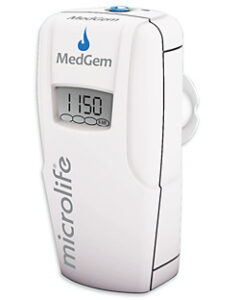 The Microlife BodyGem and MedGem indirect calorimetry devices measure your clients Resting Metabolic Rate, to optimize their weight loss results.
Instead of estimating RMR with the Harris-Benedict or Katch-McArdle formula, the BodyGem and MedGem scientifically measure a clients Metabolic Fingerprint, that is unique to them.
Estimation formulas cannot factor in thyroid issues, the effects of medications, etc.
For the best care, the American Dietetics Association recommends using indirect calorimetry to measure RMR for the most accurate assessment of nutritional needs.
The BodyGem and MedGem are the same type indirect calorimeter. They have the same functionality, accuracy and reliability.
The difference is that the MedGem is a FDA 510K-cleared, class II, medical device, which allows licensed clinicians to make insurance claims on their measurements.
CONTACT US:
Call 720-431-1461 to get your questions answered.
Or complete the CONTACT FORM and we’ll email you or call you.
If you’re ready to order a BodyGem or MedGem System Kit, complete the ORDER FORM and then call us with payment information.
We accept purchase orders from companies that have a net-30 credit account set up with us.
References & Citations
– Lustig, Dr Robert. Metabolical: The truth about processed food and how it poisons people and the planet
– Lustig, Dr Robert. Fat Chance: The Hidden Truth About Sugar, Obesity, and Disease
– Hyman, Dr Mark. The Blood Sugar Solution: The UltraHealthy Program for Losing Weight, Preventing Disease
– Weil, Andrew and Daley, Rosie. The Healthy Kitchen: Recipes for a Better Body, Life, and Spirit
– Last, Walter. The Natural Way to Heal
– GreenMedInfo.com. The Invisible Nuclear Threat Within Non-Organic Food
– NaturalNews.com. A Hundred Health Sapping Neurotoxins are Hid, May 11, 2009
Source: https://brightlearn.ai