Imagine your body as a finely tuned engine — one that hums along smoothly when given the right fuel but sputters and stalls when fed the wrong kind.
That fuel comes in three primary forms: carbohydrates, proteins, and fats, the so-called macronutrients that power every cell, every heartbeat, and every thought. But here’s the catch: not all fuels are created equal.
The modern food industry, backed by corporate greed and regulatory capture, has flooded our diets with refined, processed junk that throws our metabolism into chaos.
To reclaim our health, we must first understand how these macronutrients actually work — without the distortions of Big Food’s marketing or the FDA’s misleading guidelines.
METABOLIC MINEFIELD: Navigating the Hidden Influences on Your Body’s Engine
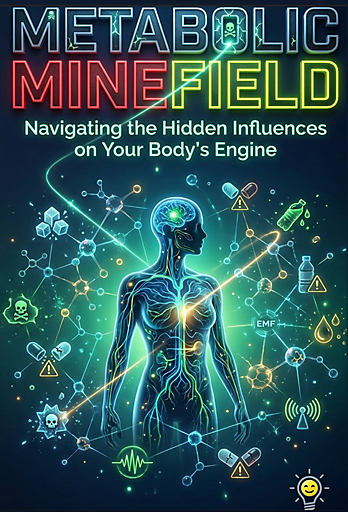 Imagine your body is a campfire. To keep it burning bright, you need three types of fuel: carbohydrates, fats, and proteins. Each plays a unique role in how your body creates energy, repairs itself, and stays healthy.
But here’s the catch: the modern food system, heavy metal exposure, personal care products, pharmaceutical drugs, seed oils, microplastics, glyphosate and gluten, are a metabolic minefield as they fill our bodies with toxins and overwhelm our systems with the wrong kinds of fuel, which leaves us metabolically broken.
This book will help you identify things that are negatively influencing your health and develop a plan to minimize toxins in and maximize toxins out, so that your metabolic system can function optimally.
CLICK HERE TO SEE A TABLE OF CONTENTS.
Carbohydrates are often the most misunderstood macronutrient, thanks in large part to decades of misinformation peddled by the sugar industry and its allies in government.
When you eat a slice of whole-grain bread or a bowl of processed cereal, your body breaks down those carbohydrates into glucose, a simple sugar that enters your bloodstream. This triggers the pancreas to release insulin, a hormone that acts like a key, unlocking cells to let glucose in for energy. Sounds simple, right? But here’s where the trouble starts.
Refined carbohydrates — like those in white flour, high-fructose corn syrup, and instant noodles — cause glucose levels to spike sharply, forcing the pancreas to pump out excessive insulin. Over time, this rollercoaster leads to insulin resistance, a condition where cells stop responding to insulin’s signals.
The result? Fat storage, inflammation, and a one-way ticket to metabolic syndrome. Dr. Robert Lustig, in his groundbreaking work Metabolical: The truth about processed food and how it poisons people and the planet, exposes how Big Food engineers these foods to be hyper-palatable, ensuring we keep coming back for more, even as our bodies suffer.
Proteins, on the other hand, are the building blocks of life.
When you eat a grass-fed steak or a serving of lentils, your body breaks those proteins down into amino acids, which are then used to repair muscles, produce enzymes, and even create neurotransmitters like serotonin and dopamine.
But proteins aren’t just for growth — they also play a critical role in energy metabolism. During periods of fasting or low carbohydrate intake, your liver can convert certain amino acids into glucose through a process called gluconeogenesis. This is your body’s way of ensuring your brain and red blood cells always have the fuel they need, even when food is scarce.
However, there’s a dark side to protein metabolism that the supplement industry won’t tell you: excessive protein intake, especially from low-quality sources like factory-farmed meat or processed protein powders, can overwhelm your kidneys and liver, leading to a buildup of ammonia, a toxic byproduct that strains your detox pathways.
Balance is key, and traditional diets — like those of the Mediterranean or indigenous cultures — show us how to get it right by prioritizing whole, unprocessed protein sources in moderation.
Fats might be the most demonized macronutrient of all, thanks to the flawed “low-fat” dogma pushed by the same institutions that now profit from statin drugs.
But the truth is, fats are essential for life. They form the structural basis of every cell membrane in your body, insulate your nerves, and serve as the raw material for hormones like testosterone and estrogen.
Not all fats are equal, though. Saturated fats, found in coconut oil, butter, and animal fats, provide stable energy and support brain function. Monounsaturated fats, like those in olive oil and avocados, are heart-protective and anti-inflammatory. Polyunsaturated fats, particularly the omega-3s in wild-caught fish and flaxseeds, are crucial for reducing inflammation and supporting cognitive health.
The problem? The modern diet is drowning in processed vegetable oils — like soybean, canola, and corn oil — which are oxidized, rancid, and loaded with inflammatory compounds. These oils, ubiquitous in processed foods, disrupt cellular function and contribute to chronic diseases.
As Dr. Mark Hyman points out in The Blood Sugar Solution: The UltraHealthy Program for Losing Weight, Preventing Disease, the quality of the fats you eat directly impacts the quality of your metabolism.
Now, here’s where things get interesting: your body isn’t designed to run on just one type of fuel.
Metabolic flexibility is the ability to seamlessly switch between burning carbohydrates and fats for energy, depending on what’s available. Our ancestors had this down to an art — they ate seasonally, fasting when food was scarce and feasting when it was abundant. But today, with refined carbs and sugars in everything — from bread to salad dressing — most people are stuck in carbohydrate-burning mode, unable to tap into their fat stores.
This metabolic rigidity is a direct result of the processed food industry’s stranglehold on our diets. Traditional cultures, like those following the Mediterranean diet or the Inuit’s high-fat, low-carb diet, demonstrate how balanced macronutrient intake supports metabolic flexibility and longevity. These diets aren’t just about macronutrient ratios; they’re about food quality — whole, unprocessed, and free from the toxic additives that sabotage our health.
Let’s talk about what happens when macronutrients fall out of balance.
Take the standard American diet, for example: high in refined carbs, low in healthy fats, and packed with processed proteins. This combination is a recipe for disaster. Excessive carbohydrate intake, particularly from sugars and refined grains, leads to chronic insulin spikes, which eventually exhaust your pancreas and set the stage for type 2 diabetes.
Meanwhile, an overemphasis on protein — especially from conventional, hormone-laden meats — can strain your kidneys and disrupt gut health. And don’t even get started on the trans fats and oxidized vegetable oils lurking in fried foods and baked goods; these faux fats integrate into your cell membranes, making them stiff and dysfunctional, like trying to run a race with lead weights tied to your shoes. The consequences? Inflammation, hormonal imbalances, and a metabolism that’s constantly fighting an uphill battle.
There’s another player in this macronutrient story that often gets overlooked: fiber.
While not technically a macronutrient, fiber acts like one by shaping how your body processes the foods you eat. Soluble fiber, found in apples, oats, and beans, slows digestion, helping to stabilize blood sugar and feed the beneficial bacteria in your gut. Insoluble fiber, from vegetables and whole grains, keeps things moving smoothly through your digestive tract, preventing the buildup of toxins that can leach into your bloodstream.
A diet rich in fiber doesn’t just support digestion — it enhances metabolic health by improving insulin sensitivity and reducing inflammation. Yet, thanks to the processed food industry’s obsession with stripping fiber out of our foods (think white flour, fruit juices, and peeled vegetables), most people are fiber-deficient, leaving their gut microbiomes starved and their metabolisms sluggish.
So, what’s the solution? It starts with rejecting the processed food matrix and returning to the wisdom of traditional diets.
The Mediterranean diet, for instance, is rich in healthy fats from olive oil and fish, moderate in proteins from legumes and lean meats, and low in refined carbohydrates. The result? Some of the lowest rates of heart disease and diabetes in the world. Similarly, the Inuit diet, high in fat from seal and whale blubber, shows how a low-carb, high-fat approach can sustain energy and health in extreme environments.
These diets aren’t fads; they’re time-tested blueprints for metabolic harmony. The key is to focus on real food — food that’s grown, not manufactured; raised, not synthesized. Cook your meals from scratch, as Rosie Daley and Dr. Andrew Weil advocate in The Healthy Kitchen: Recipes for a Better Body, Life, and Spirit, and you’ll naturally balance your macronutrients while avoiding the metabolic saboteurs hidden in processed foods.
Finally, let’s not forget the elephant in the room: the food industry and its regulators have no interest in your metabolic health.
The FDA, a captured agency that serves Big Pharma and Big Food, has spent decades suppressing the truth about how processed foods poison our bodies. From the sugar industry’s manipulation of research to the USDA’s food pyramid — heavily influenced by grain and dairy lobbies — our dietary guidelines have been hijacked by corporate interests.
The same system that pushes statins for “high cholesterol” (a mythical condition invented to sell drugs) and diabetic medications for “blood sugar management” (while ignoring the root cause: diet) is not going to save you. Your health is in your hands. By understanding how macronutrients truly work — without the distortions of industry propaganda — you can take back control of your metabolism.
Eat real food, trust your body’s wisdom, and reject the processed poison that’s making us sick. Your engine deserves better fuel.
 The Microlife BodyGem and MedGem indirect calorimetry devices measure your clients Resting Metabolic Rate, to optimize their weight loss results.
Instead of estimating RMR with the Harris-Benedict or Katch-McArdle formula, the BodyGem and MedGem scientifically measure a clients Metabolic Fingerprint, that is unique to them.
Estimation formulas cannot factor in thyroid issues, the effects of medications, etc.
For the best care, the American Dietetics Association recommends using indirect calorimetry to measure RMR for the most accurate assessment of nutritional needs.
The BodyGem and MedGem are the same type indirect calorimeter. They have the same functionality, accuracy and reliability.
The difference is that the MedGem is a FDA 510K-cleared, class II, medical device, which allows licensed clinicians to make insurance claims on their measurements.
CONTACT US:
Call 720-431-1461 to get your questions answered.
Or complete the CONTACT FORM and we’ll email you or call you.
If you’re ready to order a BodyGem or MedGem System Kit, complete the ORDER FORM and then call us with payment information.
We accept purchase orders from companies that have a net-30 credit account set up with us.
References & Citations
– Dr. Robert Lustig. Metabolical: The truth about processed food and how it poisons people and the planet.
– Dr. Mark Hyman. The Blood Sugar Solution: The UltraHealthy Program for Losing Weight, Preventing Disease.
– Rosie Daley and Dr. Andrew Weil. The Healthy Kitchen: Recipes for a Better Body, Life, and Spirit.
– NaturalNews.com. Instant Noodles: Convenient Comfort Food or Hidden Health Risk? Experts Weigh In.
– Mike Adams – Brighteon.com. Brighteon Broadcast News – HEALTH FREEDOM HISTORY – Mike Adams – Brighteon.com, September 12, 2024.
Source: https://brightlearn.ai