In a world where processed foods dominate supermarket shelves and artificial sweeteners are marketed as ‘healthy’ alternatives, it’s crucial to understand the profound impact these substances have on our metabolic health.
This section delves into the hidden dangers of processed sugars and artificial sweeteners, and how they contribute to insulin resistance, a key factor in metabolic dysfunction.
Processed sugars, such as high-fructose corn syrup and sucrose, have become ubiquitous in modern diets.
According to the USDA, the average American consumes about 150 pounds of sugar per year, a staggering increase from just a century ago. These sugars are not just found in obvious culprits like sodas and candies, but also lurk in seemingly healthy foods like salad dressings, bread, and even some brands of peanut butter.
This pervasive presence of sugar in our diets is a testament to the food industry’s manipulation of our taste buds and health.
METABOLIC MINEFIELD: Navigating the Hidden Influences on Your Body’s Engine
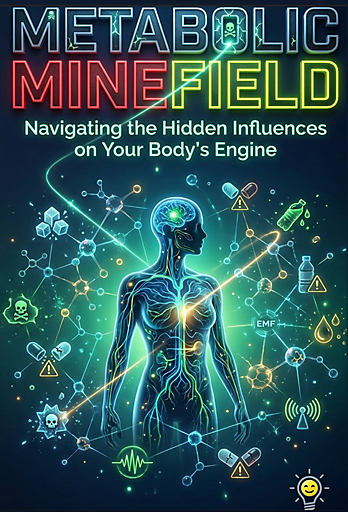 Imagine your body is a campfire. To keep it burning bright, you need three types of fuel: carbohydrates, fats, and proteins. Each plays a unique role in how your body creates energy, repairs itself, and stays healthy.
But here’s the catch: the modern food system, heavy metal exposure, personal care products, pharmaceutical drugs, seed oils, microplastics, glyphosate and gluten, are a metabolic minefield as they fill our bodies with toxins and overwhelm our systems with the wrong kinds of fuel, which leaves us metabolically broken.
This book will help you identify things that are negatively influencing your health and develop a plan to minimize toxins in and maximize toxins out, so that your metabolic system can function optimally.
CLICK HERE TO SEE A TABLE OF CONTENTS.
The biochemical pathway of fructose metabolism is particularly insidious.
Unlike glucose, which can be metabolized by nearly every cell in the body, fructose is primarily metabolized in the liver. This process can lead to the development of fatty liver disease and insulin resistance. When we consume fructose, it is converted into fructose-1-phosphate, which then undergoes a series of transformations that can result in the production of fat.
This fat can accumulate in the liver, leading to non-alcoholic fatty liver disease (NAFLD), a condition that affects up to 25% of people globally. Moreover, this process can also lead to insulin resistance, a condition where the body’s cells become less responsive to insulin, leading to higher blood sugar levels and an increased risk of type 2 diabetes.
The metabolic effects of glucose and fructose are vastly different.
Glucose is the body’s primary source of energy, and its metabolism is tightly regulated by hormones like insulin. Fructose, on the other hand, is metabolized independently of insulin and can lead to a host of metabolic problems.
For instance, fructose does not stimulate the production of leptin, a hormone that regulates hunger and energy balance. Instead, it increases the production of ghrelin, a hormone that stimulates hunger. This can lead to overeating and weight gain, further exacerbating insulin resistance.
Artificial sweeteners, such as aspartame and sucralose, are often marketed as healthy alternatives to sugar.
However, these substances can disrupt the gut microbiota, leading to metabolic dysfunction. Studies have shown that artificial sweeteners can alter the composition of the gut microbiota, leading to an increase in the abundance of bacteria that are associated with obesity and metabolic diseases.
This disruption can lead to a condition known as ‘metabolic endotoxemia,’ where the gut becomes more permeable, allowing bacteria and their toxins to enter the bloodstream and trigger systemic inflammation.
The concept of metabolic endotoxemia is a stark reminder of the interconnectedness of our bodily systems.
When we consume processed sugars and artificial sweeteners, we’re not just affecting our taste buds or even our metabolic health; we’re disrupting the delicate balance of our gut microbiota, leading to a cascade of inflammatory responses that can have far-reaching consequences for our health.
A real-world example of the impact of sugar on metabolic health can be seen in the Framingham Heart Study, a long-term, ongoing cardiovascular study of residents of the city of Framingham, Massachusetts. The study found that individuals who consumed more sugar-sweetened beverages had a higher risk of developing type 2 diabetes and obesity. This study, along with many others, underscores the profound impact that our dietary choices can have on our metabolic health.
Sugar can also create a vicious cycle of cravings and metabolic slowdown.
When we consume sugar, it triggers the release of dopamine, a neurotransmitter that plays a key role in reward and pleasure. This can lead to a cycle of sugar cravings and consumption, further exacerbating insulin resistance and metabolic dysfunction.
Moreover, the constant influx of sugar can lead to a downregulation of dopamine receptors, meaning that we need more sugar to achieve the same level of pleasure, further perpetuating the cycle.
In contrast to artificial sweeteners, natural sweeteners like stevia and monk fruit offer a safer alternative.
These sweeteners have been used for centuries in traditional medicine and have a long history of safe use. They do not disrupt the gut microbiota or trigger metabolic dysfunction. Instead, they offer a sweet taste without the metabolic consequences of sugar or artificial sweeteners.
However, it’s important to note that even natural sweeteners should be used in moderation, as part of a balanced diet that emphasizes whole, unprocessed foods.
In conclusion, the impact of processed sugars and artificial sweeteners on insulin resistance is profound and far-reaching.
From disrupting our gut microbiota to triggering systemic inflammation, these substances can have a devastating impact on our metabolic health. However, by understanding these mechanisms and making informed dietary choices, we can take control of our health and well-being.
As we navigate the metabolic minefield of modern diets, let’s remember that the power to shape our metabolic health lies in our hands and our choices.
In the face of a food industry that often prioritizes profit over health, it’s crucial to arm ourselves with knowledge and make choices that align with our health goals.
This means opting for whole, unprocessed foods, using natural sweeteners in moderation, and being mindful of the hidden sugars in our diets. It also means advocating for transparency and honesty in the food industry, and supporting policies and practices that prioritize health and well-being over corporate interests.
As we move forward, let’s remember that our dietary choices are not just about satisfying our taste buds; they’re about nourishing our bodies, supporting our metabolic health, and shaping our overall well-being. By making informed choices and advocating for a food system that prioritizes health, we can navigate the metabolic minefield and achieve optimal health and vitality.
In the words of Dr. Robert Lustig, a renowned expert on sugar and its impact on health, ‘Sugar is not just empty calories; it’s toxic.’
This toxicity is not just limited to our metabolic health; it extends to our overall well-being and the health of our planet. As we strive for optimal health, let’s remember that our choices have the power to shape not just our own lives, but also the world around us.
So, let’s choose wisely, advocate fiercely, and navigate the metabolic minefield with knowledge, courage, and a commitment to health and well-being. Our bodies, our communities, and our planet deserve nothing less.
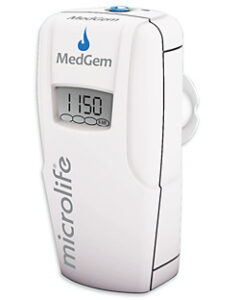 The Microlife BodyGem and MedGem indirect calorimetry devices measure your clients Resting Metabolic Rate, to optimize their weight loss results.
Instead of estimating RMR with the Harris-Benedict or Katch-McArdle formula, the BodyGem and MedGem scientifically measure a clients Metabolic Fingerprint, that is unique to them.
Estimation formulas cannot factor in thyroid issues, the effects of medications, etc.
For the best care, the American Dietetics Association recommends using indirect calorimetry to measure RMR for the most accurate assessment of nutritional needs.
The BodyGem and MedGem are the same type indirect calorimeter. They have the same functionality, accuracy and reliability.
The difference is that the MedGem is a FDA 510K-cleared, class II, medical device, which allows licensed clinicians to make insurance claims on their measurements.
CONTACT US:
Call 720-431-1461 to get your questions answered.
Or complete the CONTACT FORM and we’ll email you or call you.
If you’re ready to order a BodyGem or MedGem System Kit, complete the ORDER FORM and then call us with payment information.
We accept purchase orders from companies that have a net-30 credit account set up with us.
References & Citations
– NaturalNews.com. How functional beverages are redefining energy and why hydration is the ultimate performance enhancer. NaturalNews.com
– Rosie Daley and Andrew Weil. The healthy kitchen recipes for a better body life and spirit
– Dr Mark Hyman. The Blood Sugar Solution The UltraHealthy Program for Losing Weight Preventing Disease
– Dr Robert Lustig. Metabolical The truth about processed food and how it poisons people and the planet
Source: https://brightlearn.ai