In our journey to understand how foods shape our metabolic health, we must shine a light on a silent saboteur lurking in our kitchens and restaurants: industrial seed oils.
These oils, such as soybean, canola, and corn oil, are far from the traditional fats our ancestors used. They are highly processed and packed with omega-6 fatty acids, which, in excess, can wreak havoc on our cellular health. Unlike the balanced fats found in nature, these seed oils have been stripped of their natural goodness and loaded with harmful compounds.
METABOLIC MINEFIELD: Navigating the Hidden Influences on Your Body’s Engine
 Imagine your body is a campfire. To keep it burning bright, you need three types of fuel: carbohydrates, fats, and proteins. Each plays a unique role in how your body creates energy, repairs itself, and stays healthy.
But here’s the catch: the modern food system, heavy metal exposure, personal care products, pharmaceutical drugs, seed oils, microplastics, glyphosate and gluten, are a metabolic minefield as they fill our bodies with toxins and overwhelm our systems with the wrong kinds of fuel, which leaves us metabolically broken.
This book will help you identify things that are negatively influencing your health and develop a plan to minimize toxins in and maximize toxins out, so that your metabolic system can function optimally.
CLICK HERE TO SEE A TABLE OF CONTENTS.
The process of extracting these oils is a stark contrast to the gentle methods used for traditional fats.
Industrial seed oils are often extracted using harsh chemicals like hexane, a solvent that leaves behind toxic byproducts such as lipid peroxides. These harmful substances can cause oxidative damage to our cells, disrupting their normal function and leading to a cascade of health problems. This is a far cry from the cold-pressed, unrefined oils that have nourished generations before us.
The biochemical pathway of omega-6 fatty acids, particularly linoleic acid, is a complex dance that can lead to chronic inflammation.
When we consume too many omega-6 fats, our bodies convert them into arachidonic acid, which then produces inflammatory metabolites. This chronic inflammation is at the root of many modern diseases, from heart disease to diabetes. It’s a stark reminder of how our food choices can directly impact our cellular health and overall well-being.
Seed oils don’t just stop at causing inflammation; they also disrupt the very structure of our cellular membranes.
Our cells are like tiny fortresses, with membranes that control what goes in and out. When these membranes are made up of too many omega-6 fatty acids, they become more permeable and susceptible to oxidative stress. This can lead to mitochondrial damage, the powerhouses of our cells, leaving us feeling tired and run down. It’s a subtle but profound way that our modern diet can undermine our health.
To understand how we got here, we need to look back at the rise of seed oils in the 20th century.
As processed foods became more prevalent, so did the use of these cheap, shelf-stable oils. This shift coincided with a dramatic increase in metabolic diseases like obesity and diabetes. It’s a correlation that can’t be ignored, and it paints a clear picture of how our food choices have shaped our health over the past century.
One of the most insidious effects of seed oils is their role in creating oxidized LDL, often referred to as ‘bad’ cholesterol.
When LDL particles become oxidized, they can contribute to the buildup of plaque in our arteries, a condition known as atherosclerosis. Studies on lipid peroxidation have shown that this process is a key player in the development of heart disease. It’s a sobering thought that something as seemingly innocuous as cooking oil can have such a profound impact on our cardiovascular health.
Seed oils also interfere with our thyroid function, a crucial gland that regulates our metabolism.
They can inhibit iodine uptake, a mineral essential for thyroid hormone synthesis. This disruption can leave us feeling sluggish, gaining weight, and struggling with a host of other health issues. It’s yet another way that our modern diet can undermine our natural, healthy functioning.
The concept of ‘PUFA toxicity’ is a crucial one to understand when it comes to seed oils.
Polyunsaturated fatty acids, or PUFAs, are essential in small amounts, but our modern diet has led to an overwhelming intake of omega-6 PUFAs. This excess can overwhelm our body’s antioxidant defenses, leading to a state of oxidative stress. It’s a delicate balance that our ancestors maintained naturally, but one that our modern diet has severely disrupted.
In our quest for metabolic health, it’s essential to remember that we have the power to make different choices.
By opting for traditional, minimally processed fats and avoiding industrial seed oils, we can support our cellular health and overall well-being. It’s a journey back to the foods that have nourished humans for generations, and a step away from the processed, harmful options that have become all too common in our modern world.
As we navigate this metabolic minefield, let’s arm ourselves with knowledge and make choices that honor our bodies and our health. After all, every bite we take is a chance to nourish ourselves and support our natural, vibrant functioning. It’s a journey worth taking, one delicious, wholesome bite at a time.
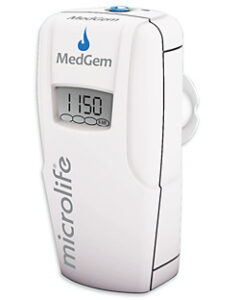 The Microlife BodyGem and MedGem indirect calorimetry devices measure your clients Resting Metabolic Rate, to optimize their weight loss results.
Instead of estimating RMR with the Harris-Benedict or Katch-McArdle formula, the BodyGem and MedGem scientifically measure a clients Metabolic Fingerprint, that is unique to them.
Estimation formulas cannot factor in thyroid issues, the effects of medications, etc.
For the best care, the American Dietetics Association recommends using indirect calorimetry to measure RMR for the most accurate assessment of nutritional needs.
The BodyGem and MedGem are the same type indirect calorimeter. They have the same functionality, accuracy and reliability.
The difference is that the MedGem is a FDA 510K-cleared, class II, medical device, which allows licensed clinicians to make insurance claims on their measurements.
CONTACT US:
Call 720-431-1461 to get your questions answered.
Or complete the CONTACT FORM and we’ll email you or call you.
If you’re ready to order a BodyGem or MedGem System Kit, complete the ORDER FORM and then call us with payment information.
We accept purchase orders from companies that have a net-30 credit account set up with us.
References & Citations
– The Natural Way to Heal: 65 Ways to Create Superior Health by Walter Last
– Metabolical The truth about processed food and how it poisons people and the planet by Dr Robert Lustig
– The Blood Sugar Solution The UltraHealthy Program for Losing Weight Preventing Disease by Dr Mark Hyman
Source: https://brightlearn.ai